


 Pro Benefits
 Environ
 Conditions générale de vente
 Confidentialité
 Child Safety & Protection
 Notifications
 Ayrush Global It Services Pvt Ltd
How a Golf Simulator Improves Practice Efficiency
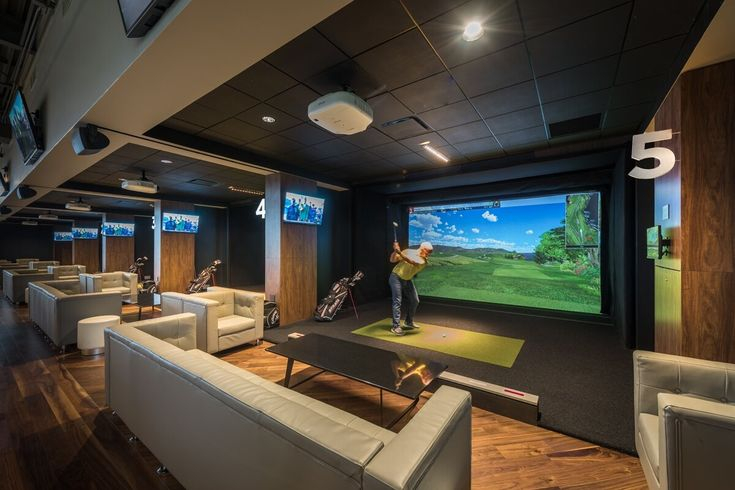
Time has become one of the most valuable resources for athletes and enthusiasts alike. Balancing work responsibilities, family commitments, travel requirements, and personal interests often leaves limited opportunities for skill development. As a result, many individuals are searching for training methods that deliver measurable progress without demanding extensive time investments.
Indoor practice technology has emerged as a practical solution. By providing immediate access to performance data and realistic playing environments, these systems help users maximize every session. Rather than spending hours organizing practice around external factors, participants can focus entirely on improvement.
Efficiency is not simply about practicing more often. It is about making every minute count.
Eliminating Common Barriers to Practice
Traditional outdoor sessions often involve preparation time before meaningful training even begins.
Travel, equipment transportation, facility availability, and weather conditions can all reduce productive practice time. Even highly motivated individuals may struggle to maintain consistent routines when these obstacles become frequent.
Indoor environments remove many of these challenges.
More Time Spent Training
One of the greatest advantages of indoor practice is accessibility.
Instead of dedicating significant portions of the day to travel and preparation, users can begin training almost immediately. This convenience creates additional opportunities for shorter yet highly productive sessions.
Over weeks and months, these small efficiencies can contribute to substantial improvements.
Immediate Performance Feedback
Many traditional training environments provide limited information regarding shot outcomes.
While observation remains valuable, visual assessment alone may not always reveal the complete picture. Indoor systems provide detailed performance metrics instantly, allowing users to understand exactly what happened during each attempt.
This feedback accelerates the learning process.
Faster Identification of Mistakes
Improvement often depends on recognizing errors quickly.
When users receive immediate information about launch characteristics, trajectory behavior, and directional tendencies, they can identify issues before those habits become deeply ingrained.
Prompt correction reduces wasted effort and promotes more effective practice.
Maximizing Value From Every Session
Quality often matters more than quantity.
A focused thirty-minute session with clear objectives and detailed feedback can sometimes produce better results than several hours of unstructured activity.
Indoor technology helps users maximize efficiency by ensuring that every action contributes to meaningful learning.
Choosing the Right Environment
Many buyers evaluate equipment carefully before making a purchase. The phrase Best Golf Simulator is frequently used during research, yet the ideal choice depends on individual goals, available space, and desired functionality.
The most effective solution is one that supports consistent, productive training rather than simply offering numerous features.
Alignment with personal objectives remains essential.
Creating Structured Training Sessions
Efficiency improves when practice follows a clear purpose.
Without structure, sessions can become repetitive and unfocused. Indoor technology often supports targeted exercises designed around specific objectives, helping users maintain concentration and direction.
Organized training typically produces better results than random repetition.
Focusing on Specific Skills
Every player has areas requiring improvement.
Some may need better distance control. Others may focus on consistency, accuracy, or shot shaping. Indoor environments allow users to isolate particular skills and dedicate attention where it is needed most.
Targeted practice increases productivity.
Consistency Leads to Better Results
Regular repetition plays a major role in long-term development.
Because indoor environments are always available, users can maintain more consistent schedules. Frequent sessions reinforce positive habits while helping individuals stay connected to their goals.
Consistency often becomes the deciding factor between gradual improvement and stagnation.
Building Sustainable Routines
Many people struggle to maintain practice schedules due to logistical challenges.
When access becomes simple and convenient, it becomes easier to establish routines that fit within daily life. Sustainable habits support long-term progress more effectively than occasional intensive sessions.
Small efforts performed consistently often produce significant outcomes.
Data-Driven Decision Making
Modern training increasingly relies on measurable information rather than guesswork.
Detailed analytics provide valuable insights into performance patterns that might otherwise go unnoticed. By understanding tendencies and tracking progress over time, users can make more informed decisions regarding technique and strategy.
This analytical approach improves efficiency by reducing unnecessary experimentation.
Measuring Progress Accurately
Improvement is easier to achieve when it can be quantified.
Tracking changes over time allows users to evaluate whether adjustments are producing desired results. Objective measurements provide clarity and encourage confidence in the training process.
Reliable information supports better outcomes.
Enhancing Motivation Through Engagement
Practice becomes more effective when users remain motivated.
Indoor environments often include interactive features that transform training into a more enjoyable experience. Challenges, virtual courses, and performance tracking help maintain interest while encouraging longer participation.
Enjoyment frequently influences consistency.
Making Improvement Rewarding
Visible progress creates satisfaction.
When users can observe measurable gains, they often become more committed to continued development. Positive reinforcement helps sustain motivation and encourages ongoing effort.
Engaged participants typically practice more effectively.
Accessibility Encourages Long-Term Improvement
Convenience influences behavior.
The easier it becomes to practice, the more likely individuals are to maintain regular engagement. This principle explains why indoor training environments have gained popularity among users seeking efficient development opportunities.
Accessible training supports lasting progress.
Integrating Practice Into Everyday Life
A Home Golf Simulator allows users to incorporate skill development into their daily routines without major disruptions.
Whether practicing before work, after dinner, or during weekends, flexible access creates opportunities that might otherwise be unavailable.
This adaptability contributes significantly to improved efficiency.
Conclusion
Effective practice is not measured solely by hours spent training. True efficiency comes from maximizing learning, reducing obstacles, and maintaining consistency over time.
Indoor practice technology achieves these objectives by providing immediate feedback, structured training opportunities, reliable access, and measurable performance insights. By creating an environment focused on productivity and convenience, users can make meaningful progress while using their time more effectively.
For those seeking smarter ways to improve, indoor training offers a practical path toward achieving long-term goals
 French
 English
 Arabic
 Spanish
 Portuguese
 Deutsch
 Turkish
 Dutch
Dutch
 Italiano
 Russian
 Romaian
 Portuguese (Brazil)
 Greek
Greek
