


 Pro Benefits
 Sobre
Sobre
 Termos
 Privacidade
 Child Safety & Protection
 Notificações
 Ayrush Global It Services Pvt Ltd
Why Software Testing Basics Are Important for New QA Engineers?
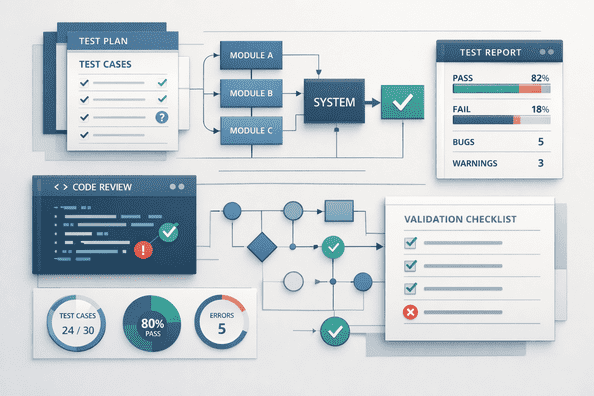
Entering the field of software quality assurance can feel overwhelming for new QA engineers. Modern applications involve complex architectures, multiple technologies, and rapid development cycles. While advanced testing tools and automation frameworks are widely used today, building a strong foundation remains essential for long-term success. This is why learning software testing basics is one of the most important steps for anyone beginning a career in quality assurance.
Software testing basics provide the fundamental knowledge needed to understand how software should behave, how defects occur, and how testing helps maintain software reliability. Without this foundation, it becomes difficult for QA engineers to design effective tests or identify potential risks in an application.
Understanding the Purpose of Software Testing
One of the first things new QA engineers learn through software testing basics is the core purpose of testing. Software testing is not only about finding bugs; it is about verifying that a system behaves as expected under different conditions.
Testing ensures that applications meet functional requirements, perform reliably, and deliver a smooth user experience. By understanding these goals early in their careers, QA engineers can approach testing more strategically rather than simply executing test cases.
This perspective helps them focus on improving software quality rather than just identifying defects.
Learning Core Testing Concepts
Software testing involves several fundamental concepts that every QA engineer must understand. These include test cases, test scenarios, defect reporting, and test environments.
Learning software testing basics introduces these concepts in a structured way. New engineers begin to understand how to design meaningful test cases, how to identify edge cases, and how to document issues effectively for development teams.
A clear understanding of these concepts improves communication between testers, developers, and project managers.
Building a Strong Analytical Mindset
Effective testing requires strong analytical thinking. QA engineers must evaluate how different parts of an application interact and anticipate where potential issues might occur.
Through software testing basics, new testers learn how to analyze requirements, interpret user workflows, and think critically about system behavior. This analytical approach allows them to design tests that uncover hidden problems.
Over time, these skills help QA engineers move beyond simple test execution and contribute more strategically to quality assurance efforts.
Understanding Different Testing Approaches
Software quality assurance involves many testing techniques, including functional testing, integration testing, and system testing. For beginners, understanding when and how to apply these approaches is essential.
Learning software testing basics provides an overview of these testing methods and explains how they contribute to validating software reliability. This knowledge helps QA engineers select the appropriate testing strategy depending on the complexity of the application and the stage of development.
It also prepares them to work effectively within structured testing processes.
Supporting Collaboration with Development Teams
Modern software development relies heavily on collaboration between testers and developers. QA engineers must communicate defects clearly, discuss testing results, and provide feedback that helps improve product quality.
A solid understanding of software testing basics enables testers to communicate technical issues more effectively. They learn how to describe problems in a way that helps developers reproduce and fix them quickly.
This collaborative approach improves development efficiency and helps maintain smooth project workflows.
Preparing for Advanced Testing Practices
While foundational knowledge is essential, modern testing environments often involve advanced practices such as continuous integration, performance testing, and automated validation. However, these practices build upon the core principles introduced through software testing basics.
For example, before implementing test automation, QA engineers must understand how test cases are designed, how workflows are validated, and how defects are identified. Automation simply executes these tests more efficiently, but the underlying logic still comes from fundamental testing knowledge.
This is why mastering testing fundamentals makes it easier for QA engineers to adopt advanced tools and methodologies later in their careers.
Improving Long-Term Career Growth
QA engineers who develop a strong foundation early in their careers are better prepared to handle complex testing challenges. They are more capable of identifying risks, designing efficient testing strategies, and contributing to overall product quality.
Software testing basics serve as the starting point for continuous learning in the quality assurance field. As engineers gain experience, they can build on this foundation by exploring specialized areas such as security testing, performance testing, or test automation.
This progression allows them to grow from entry-level testers into experienced quality assurance professionals.
Conclusion
Quality assurance plays a vital role in delivering reliable and user-friendly software. For new QA engineers, developing a strong understanding of software testing basics is essential for building the skills required to test applications effectively.
By learning fundamental testing concepts, developing analytical thinking, and understanding different testing approaches, new testers can contribute meaningfully to software quality from the beginning of their careers. This solid foundation also prepares them to adopt advanced testing practices and adapt to the evolving demands of modern software development.

 Portuguese
 English
 Arabic
 French
 Spanish
 Deutsch
 Turkish
 Dutch
Dutch
 Italiano
 Russian
 Romaian
 Portuguese (Brazil)
 Greek
Greek
