


 Pro Benefits
 О нас
О нас
 Условия использования
 Конфиденциальность
 Child Safety & Protection
 Оповещения
 Ayrush Global It Services Pvt Ltd
Challenges in Replicating Heritage Textures in Dubai Models
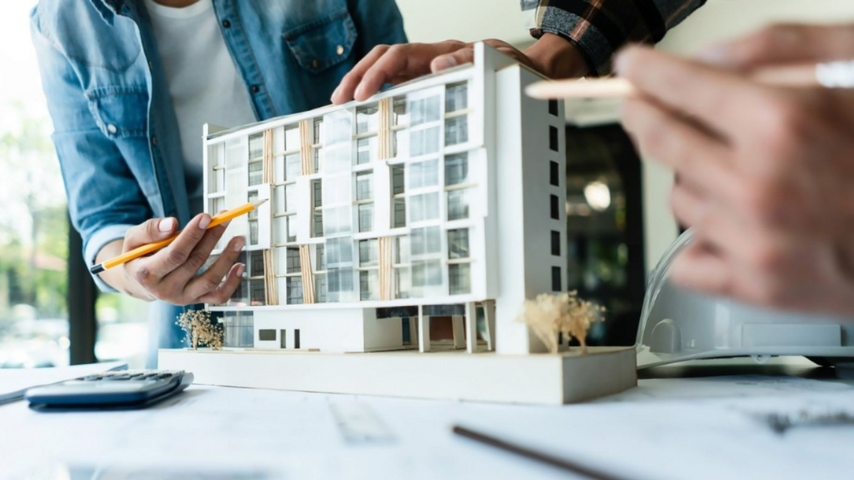
Replicating heritage textures in architectural models is one of the most intricate parts of design representation. In Dubai, where modernity and tradition coexist, the demand for heritage-inspired models has grown as architects and developers seek to preserve the city’s cultural narrative.
Creating accurate textures for these models requires a deep understanding of materials, craftsmanship, and technology. The process is both artistic and technical, involving challenges that test the skills of model makers, designers, and historians alike. Each miniature surface must capture the essence of time-worn structures while maintaining visual realism at a reduced scale.
Understanding the Complexity of Heritage Textures
Heritage architecture in Dubai features a blend of materials such as coral stone, gypsum, palm fronds, and mud plaster. These elements give traditional buildings their distinctive charm. However, reproducing these textures in miniature form is difficult because of their irregularities and organic patterns.
Real-life materials have natural variations caused by aging, weather, and manual construction. Translating such imperfections into smaller scales often results in loss of depth and detail. Model makers must find creative ways to mimic the roughness of coral or the uneven finish of plaster without making the surface appear artificial or overdone.
Material Limitations in Scale Modeling
One of the main challenges lies in material selection. Real heritage materials cannot always be used in scaled versions due to their fragility, weight, or availability. For instance, coral stone, used in old Dubai homes, is porous and cannot be cut easily for miniature use.
Substitutes like resin, plaster, or textured paint must be applied to simulate the same effect. Yet these replacements often fail to capture the natural variation of the original. Achieving balance between authenticity and practicality becomes a continuous struggle for model makers.
Maintaining Accuracy in Color and Finish
Another obstacle is reproducing the color palette of heritage structures. Over time, traditional materials develop unique hues due to exposure to sunlight, sand, and humidity. Capturing these subtle variations requires expert color mixing and application techniques.
Even a slight difference in tone can make the texture appear unrealistic. Moreover, lighting in displays can alter color perception. Model makers must adjust shades carefully to ensure that the model looks accurate under both artificial and natural light. Achieving this level of precision often requires multiple testing phases before final approval.
Scaling Down Without Losing Texture Depth
When architectural details are scaled down, their tactile qualities often disappear. Features like chipped plaster, carved wood, or woven palm patterns lose their definition. Maintaining depth and realism at smaller scales demands a balance between micro-detailing and structural stability.
If textures are made too rough, they can distort proportions. If they are too smooth, they lose authenticity. Advanced techniques such as laser engraving, micro-painting, and 3D printing are used to achieve fine texture replication, but each method comes with its own set of challenges related to resolution, material compatibility, and time.
Integrating Traditional Craftsmanship
Replicating heritage textures requires not only technology but also human craftsmanship. Many traditional architectural scale models Dubai were created by artisans using hand tools. To reproduce that human touch, model makers often consult local craftsmen for guidance.
However, blending traditional methods with modern model-making processes can be complex. Artisans may use techniques that are difficult to scale down or reproduce with precision. This collaboration demands patience, experimentation, and deep respect for traditional artistry.
Environmental and Climatic Influences
Dubai’s desert climate also affects the way heritage materials age. Wind, salt, and heat leave distinct marks on surfaces. To replicate these environmental effects, model makers use aging techniques such as layering pigments, applying dry-brush methods, or using matte finishes.
However, simulating natural weathering convincingly requires extensive skill. Overdoing the effect can make the model look damaged instead of authentic. Finding the right balance between aged realism and visual harmony remains one of the toughest aspects of texture reproduction.
Technological Challenges in Texture Simulation
Digital tools like 3D printers and laser cutters have improved the precision of texture replication. Still, these technologies face limitations when dealing with irregular natural surfaces. Digital scans of old buildings often lose micro-details or produce uniform results that lack the organic imperfections of handmade textures.
Software can replicate patterns, but not the randomness that gives heritage surfaces their character. Model makers must manually refine digitally produced textures to restore a sense of authenticity. This process adds time and cost to model production but ensures higher artistic quality.
Difficulty in Achieving Consistency
When creating large heritage-inspired models, maintaining consistency across multiple textures is a major challenge. Different sections of a model may represent various materials like wood, stone, and plaster. Each requires distinct treatments to match the real-life appearance.
Coordinating colors, finishes, and texture depth across all parts demands close collaboration among designers, painters, and architects. Even minor inconsistency can break the visual continuity of the entire piece. Continuous review and correction are necessary to achieve a coherent final product.
Balancing Aesthetic Appeal and Historical Accuracy
While the goal is to maintain historical accuracy, models must also appeal visually to clients, museums, or exhibition visitors. This dual purpose sometimes forces model makers to simplify or stylize certain textures.
For example, too much roughness might make the model appear messy, while excessive polish can erase its heritage feel. Striking the right balance between realism and presentation value is one of the most subjective and delicate challenges faced during the modeling process.
Cost and Time Constraints
Creating realistic heritage textures is time-intensive. Each surface requires hand-finishing, multiple layers of paint, and fine-tuning under magnification. This increases production costs, especially when models are made for exhibitions or heritage preservation projects.
Limited budgets and deadlines often restrict the level of detail that can be achieved. Model makers must prioritize which textures deserve the most attention, ensuring that the final piece conveys authenticity within practical limits.
Conclusion
Replicating heritage textures in architectural models is both an art and a science. It demands a deep understanding of history, materials, and craftsmanship. Model makers in Dubai constantly balance tradition and innovation, using both digital and manual techniques to achieve realistic results.
Each challenge—from material substitution to color matching—adds depth to their creative process. Through dedication and precision, these experts ensure that architectural scale models Dubai continue to preserve and celebrate the beauty of the city’s architectural heritage, inspiring future generations to value the craftsmanship of the past.
 Russian
 English
 Arabic
 French
 Spanish
 Portuguese
 Deutsch
 Turkish
 Dutch
Dutch
 Italiano
 Romaian
 Portuguese (Brazil)
 Greek
Greek
