


 Pro Benefits
 Sobre
Sobre
 Termos
 Privacidade
 Child Safety & Protection
 Notificações
 Ayrush Global It Services Pvt Ltd
What Is Support Independent Living? Benefits and How It Works
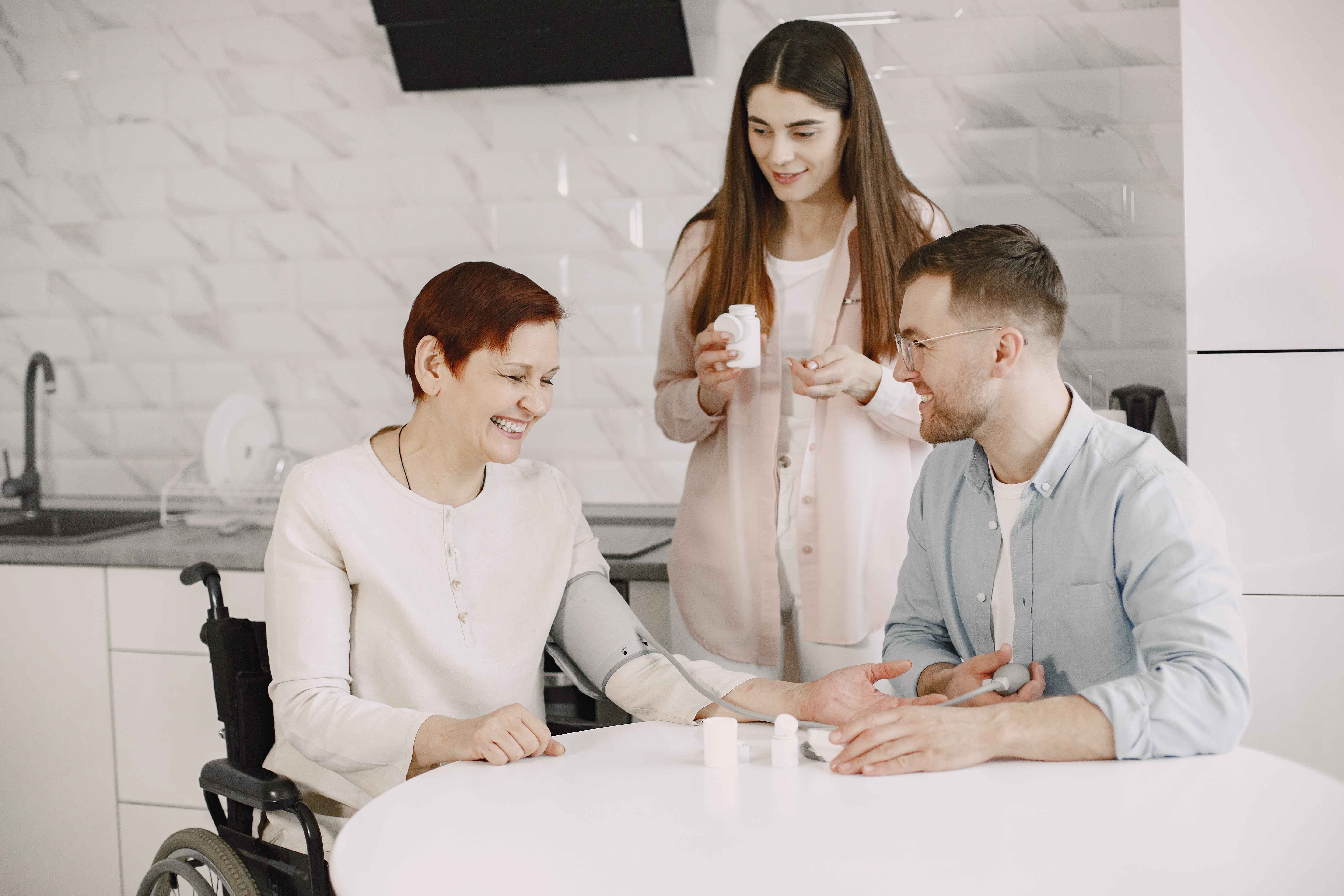
Support Independent Living (SIL) is an essential NDIS-funded support designed to help people with disabilities live more independently while receiving the right level of assistance. SIL focuses on daily tasks, skill-building, and personal development within a shared or individual living arrangement. It is especially helpful for participants who require regular support throughout the day.
What Is Support Independent Living (SIL)?
Support Independent Living provides ongoing, daily support to individuals who need help with tasks such as personal care, meal preparation, medication management, and household activities. SIL funding is specifically for support services, not accommodation or rent. It helps participants live confidently in shared homes, apartments, or supported living environments.
Who Is SIL Suitable For?
SIL is ideal for NDIS participants who:
-
Need regular assistance throughout the day
-
Want to live more independently
-
Prefer living in group homes or shared living spaces
-
Need support with daily personal tasks
-
Benefit from structured routines and ongoing supervision
It is commonly recommended for participants with higher support needs.
What Does SIL Include?
SIL services usually cover:
-
Help with personal care
-
Cooking and meal preparation
-
Assistance with cleaning and household tasks
-
Medication reminders and health support
-
Developing life skills like budgeting or personal hygiene
-
Overnight support or active night assistance
-
Support with community participation and daily routines
SIL aims to build independence while ensuring safety, comfort, and consistency in everyday life.
Benefits of Support Independent Living
1. Greater Independence
SIL helps participants gain confidence by learning essential life skills and making independent decisions.
2. Structured Support
Participants receive consistent assistance from trained support workers, ensuring daily routines run smoothly.
3. Social Interaction
In shared living arrangements, participants can connect, build friendships, and enjoy a sense of community.
4. Improved Quality of Life
Having support for daily tasks allows participants to focus on personal goals, hobbies, work, or education.
How Participants Access SIL
Accessing SIL involves completing a functional assessment, working with a support coordinator, and undergoing an NDIS home and living assessment. Once approved, participants can choose an SIL provider that best suits their needs and preferences.
Conclusion
Support Independent Living empowers individuals to live more independently while receiving essential daily assistance. SIL provides a safe, structured, and supportive environment that encourages personal growth, confidence, and long-term wellbeing.
 Portuguese
 English
 Arabic
 French
 Spanish
 Deutsch
 Turkish
 Dutch
Dutch
 Italiano
 Russian
 Romaian
 Portuguese (Brazil)
 Greek
Greek
