


 Pro Benefits
 Environ
 Conditions générale de vente
 Confidentialité
 Child Safety & Protection
 Notifications
 Ayrush Global It Services Pvt Ltd
A Comprehensive Guide to Contract Logistics
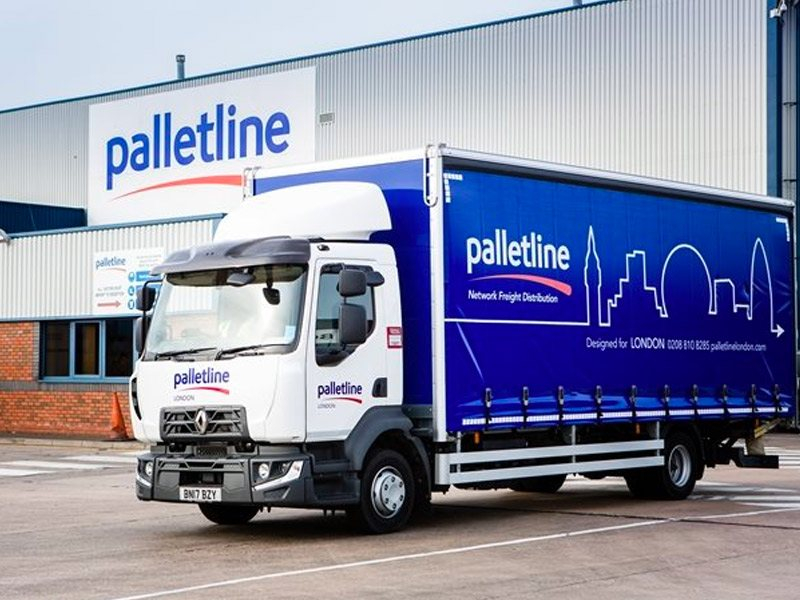
In today’s rapidly evolving business environment, supply chain efficiency has become one of the most important factors determining the competitiveness of a company. The ability to move products, manage inventory, streamline operations, and ensure timely deliveries requires not just planning but also the expertise of specialized service providers. This is where contract logistics plays a crucial role. Instead of handling everything internally, companies often rely on experienced logistics partners who take over certain operations, allowing businesses to focus on their core activities. By outsourcing these functions, businesses gain access to advanced technology, optimized processes, and cost efficiencies that would otherwise require heavy investment and infrastructure.
Contract logistics is far more than simple transportation or warehousing. It involves a holistic approach to the supply chain, including inventory management, distribution, order fulfillment, packaging, reverse logistics, and in many cases, value-added services. This strategic outsourcing model is designed to enhance customer service, reduce operating costs, and improve flexibility while allowing companies to scale operations up or down depending on demand.
The Core Components of Contract Logistics
Contract logistics is an umbrella term that encompasses a range of services, each designed to address specific supply chain needs. At its core, the model integrates several crucial elements that contribute to seamless operations.
Warehousing and Distribution
One of the foundational elements is the management of warehousing facilities. Logistics providers not only offer storage space but also ensure proper inventory management, temperature control, security, and efficient distribution to various regions. Advanced warehouse management systems (WMS) are often deployed to track inventory levels in real time, minimizing errors and enhancing productivity.
Transportation Solutions
Efficient transportation is at the heart of contract logistics. Providers design optimized transportation networks that ensure goods are delivered on time while keeping costs low. This includes managing fleets, coordinating with carriers, and leveraging advanced route planning systems to minimize delays and fuel consumption.
Value-Added Services
Modern logistics partners go beyond traditional storage and shipping. They provide services such as labeling, packaging, assembly, quality control, and even customization of products before they reach the customer. These additional services make the supply chain more adaptive and responsive to unique customer requirements.
Reverse Logistics
Handling returns has become an essential part of logistics, particularly with the rise of e-commerce. Reverse logistics involves the management of goods moving back from customers to warehouses or manufacturers, whether for repair, recycling, or restocking. Properly structured reverse logistics systems improve sustainability and customer satisfaction.
Why Businesses Choose Contract Logistics
The decision to outsource logistics functions is often influenced by multiple factors, all of which point toward efficiency, cost savings, and expertise. Companies across industries—ranging from retail and e-commerce to manufacturing and healthcare—find that this approach brings significant value.
Firstly, businesses can reduce capital expenditure. Building and maintaining warehouses, hiring specialized staff, and investing in fleet operations require enormous financial resources. Outsourcing allows them to shift these responsibilities to providers who already have established infrastructure.
Secondly, contract logistics provides scalability. During peak seasons such as holidays, companies face sudden surges in demand. A logistics partner can scale operations up quickly to handle these fluctuations, ensuring smooth service without requiring permanent investment in additional capacity.
Thirdly, the expertise of professional providers cannot be understated. Logistics companies operate on global networks, possess deep industry knowledge, and make use of advanced technologies that many individual businesses would struggle to implement on their own. From tracking shipments with GPS to utilizing AI for predictive analytics, their systems enhance accuracy and reliability.
The Role of Technology in Contract Logistics
Technology has become the driving force behind the efficiency and success of modern logistics solutions. Without digital tools, real-time monitoring, and automation, managing complex supply chains would be nearly impossible. Logistics providers now rely on state-of-the-art systems to streamline every step of the process.
Warehouse Management Systems
Sophisticated WMS software allows providers to monitor inventory levels, track stock movement, and ensure accurate order fulfillment. These systems often integrate with clients’ enterprise resource planning (ERP) software to create seamless communication across departments.
Transportation Management Systems
A transportation management system (TMS) helps design optimal routes, select the most efficient carriers, and monitor deliveries in real time. With the ability to predict traffic patterns and weather disruptions, these systems enhance both efficiency and reliability.
Automation and Robotics
Automation has significantly transformed warehouses. Robots now handle picking, sorting, and packaging tasks, which reduces errors, speeds up processes, and lowers labor costs. Combined with automated guided vehicles (AGVs), warehouses are more efficient and safer.
Data Analytics and Artificial Intelligence
Data has become an invaluable asset in logistics. Providers analyze trends, customer behavior, and supply chain performance to make better decisions. Predictive analytics helps anticipate demand, while AI-powered systems adjust resources dynamically to minimize bottlenecks.
Benefits of Contract Logistics for Businesses
Partnering with a logistics provider offers several tangible and intangible benefits that extend beyond cost savings.
-
Operational Efficiency: By leveraging expertise and advanced infrastructure, businesses can achieve smoother and more efficient supply chains.
-
Flexibility: Outsourcing allows companies to quickly adapt to market changes and scale operations up or down as needed.
-
Cost Savings: Reducing capital investment, labor expenses, and inefficiencies helps businesses allocate resources to other strategic areas.
-
Customer Satisfaction: Faster deliveries, accurate order fulfillment, and reliable return handling contribute to stronger customer loyalty.
-
Global Reach: Many providers operate on international levels, giving businesses access to broader markets without needing their own global infrastructure.
Challenges Associated with Contract Logistics
While outsourcing logistics provides numerous advantages, it also presents challenges that businesses must carefully manage. One of the most significant concerns is the loss of direct control over supply chain operations. Companies must trust their providers to maintain high service levels and protect sensitive data.
Another challenge involves communication. When operations are spread across multiple regions and providers, ensuring effective coordination becomes critical. Miscommunication can lead to delays, errors, or even financial losses.
Additionally, reliance on third parties introduces risks such as dependency on a provider’s stability and financial health. If a logistics partner faces operational issues, it directly impacts the client’s business. Therefore, thorough vetting and strong contractual agreements are essential.
The Future of Contract Logistics
The future of contract logistics is shaped by digital innovation, sustainability, and evolving customer expectations. With e-commerce continuing to grow, demand for efficient and flexible logistics solutions will only increase. Providers are expected to invest more in automation, AI, and green logistics solutions that align with environmental goals.
Sustainability is set to play a major role, as companies aim to reduce their carbon footprint. Electric delivery vehicles, energy-efficient warehouses, and circular economy practices like recycling and reuse are likely to become standard in the near future.
Furthermore, customer expectations for same-day or next-day delivery are pushing providers to develop even faster and more reliable supply chains. This may involve micro-fulfillment centers closer to urban areas and advanced predictive analytics to anticipate customer needs.
Conclusion
Contract logistics has evolved from being a simple outsourcing option to becoming a strategic necessity in modern supply chain management. It empowers businesses to operate more efficiently, adapt to changes quickly, and focus on their primary objectives while leaving logistics operations to experts. By integrating warehousing, transportation, technology, and value-added services, contract logistics offers a comprehensive solution that enhances both business performance and customer satisfaction.
As industries continue to transform under the influence of technology and shifting market dynamics, the importance of contract logistics will only grow. Companies that embrace this model not only gain competitive advantages but also position themselves for sustainable growth in an increasingly complex and fast-paced global marketplace.
 French
 English
 Arabic
 Spanish
 Portuguese
 Deutsch
 Turkish
 Dutch
Dutch
 Italiano
 Russian
 Romaian
 Portuguese (Brazil)
 Greek
Greek
