


 Pro Benefits
 Über
Über
 Bedingungen
 Datenschutz
 Child Safety Standards & Protection Policy
 Benachrichtigungen
2026 ADC Landscape: What Emerging Payloads Reveal About the Future of Targeted Therapies
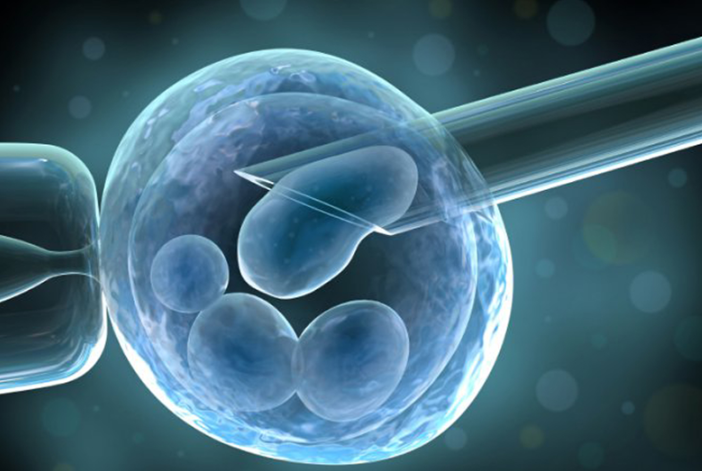
Antibody–drug conjugates (ADCs) continue to reshape the oncology pipeline, driven by the pursuit of payloads that can deliver stronger potency, improved tumor selectivity, and reduced systemic toxicity. Although more than a decade has passed since the approval of the first ADC, payload development remains one of the fastest-moving components of the field. With growing interest in high-DAR strategies, optimized linkers, and alternative targeting formats, the next generation of ADC payloads is set to redefine therapeutic windows in oncology and beyond.
One of the most closely watched categories is DNA-alkylating payloads, which have gained momentum for their ability to bypass many resistance mechanisms observed with conventional microtubule inhibitors. Among these, DGN549 has attracted increasing attention for its ultra-potent, sequence-selective DNA-alkylating mechanism. Novel warheads in this class aim to push cytotoxicity thresholds while improving targeting precision, making them promising candidates for tumors that respond poorly to traditional payloads.
While DNA-reactive payloads rise in visibility, microtubule inhibitor–based ADCs remain foundational within the therapeutic landscape. MMAE, a cleavable tubulin inhibitor, continues to power many commercial and clinical-stage ADCs due to its well-characterized safety profile, established linker compatibility, and predictable intracellular release. The D8-MMAE payload reference illustrates how MMAE-based structures are still evolving, with modifications in linker chemistry, conjugation technology, and DAR control enabling more selective tumor targeting and better pharmacokinetic balance.
Nevertheless, even as MMAE remains a mainstay, the industry is clearly shifting toward payload diversification to solve long-standing clinical challenges. This is where Duocarmycin SA, a synthetic derivative of the duocarmycin family, enters the picture. Known for its potent DNA-minor-groove binding activity, this payload class has been recognized for its ability to induce irreversible DNA damage even at minimal intracellular concentrations. Modern research trends increasingly revisit duocarmycin-based scaffolds as part of a broader effort to design payloads with both high potency and controllable off-target risk.
Taken together, these payload categories—tubulin inhibitors, DNA alkylators, and minor-groove binders—outline a critical shift toward mechanistic diversification. The industry is moving away from dependence on a single payload mechanism and toward a modular, disease-specific framework: selecting the payload class not just for potency, but for compatibility with tumor biology, antigen density, and internalization behavior.
This shift also reflects broader trends in therapeutic strategy. As ADC developers begin targeting solid tumors with low antigen expression, new payloads capable of robust bystander effects become essential. DNA-reactive warheads such as DGN549 and Duocarmycin SA offer notable advantages in this regard. Conversely, hematologic malignancies with high antigen density continue to benefit from the predictable performance of MMAE, keeping it firmly embedded in ongoing development pipelines.
In parallel, improvements in linker chemistry—including self-immolative linkers, β-glucuronide systems, and tumor-microenvironment–activated triggers—are enabling payloads once considered “too toxic” to be revisited under safer delivery frameworks. This expanding toolbox signals a future where ADCs are no longer limited to a narrow set of warheads but instead draw from a diverse catalog tailored to therapeutic goals.
As next-generation ADCs enter clinical evaluation, it is increasingly clear that payload innovation will be one of the primary drivers of differentiation in the coming decade. Whether through heightened potency, enhanced tumor selectivity, or expanded mechanistic options, payload evolution is poised to unlock a new era of precision cytotoxic therapy—and ultimately redefine how targeted oncology drugs are engineered.

 English
 Arabic
 French
 Spanish
 Portuguese
 Turkish
 Dutch
Dutch
 Italiano
 Russian
 Romaian
 Portuguese (Brazil)
 Greek
Greek
