


 Pro Benefits
 About
About
 Termeni
 Confidențialitate
 Child Safety & Protection
 Notificări
 Ayrush Global It Services Pvt Ltd
The Healing Power of Supine Asanas: A Journey into Restorative Yoga
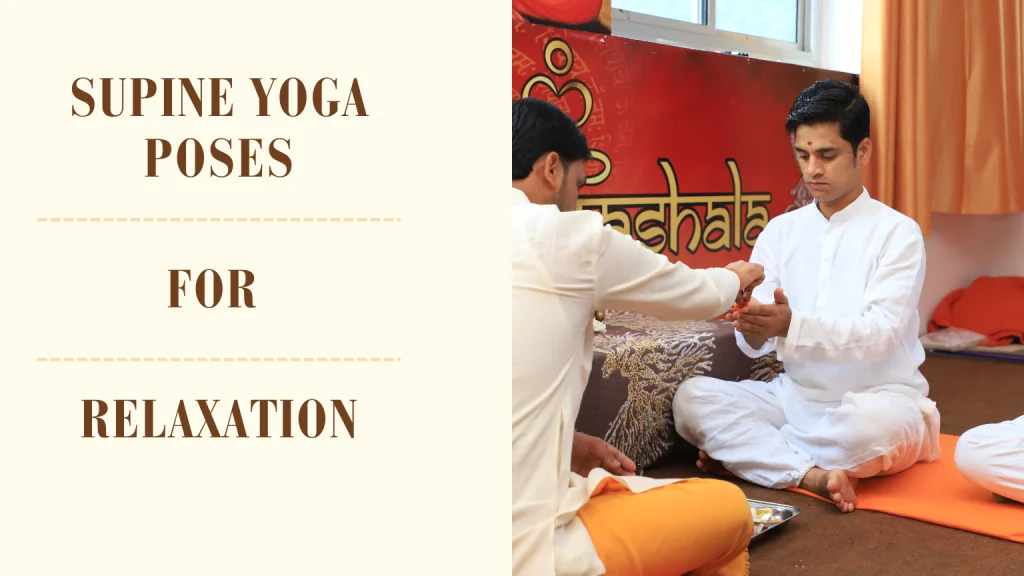
In the vast world of yoga, supine asanas hold a special place for their restorative, calming, and grounding qualities. The term supine refers to lying on the back, and these poses are typically performed while reclining. They are among the most accessible yoga postures, making them ideal for beginners, seniors, or anyone recovering from physical or emotional fatigue.
Understanding Supine Asanas
Supine asanas are yoga postures performed while lying flat on the back, allowing the spine to rest and realign naturally. Because the body is supported by the floor, these poses encourage deep relaxation, release muscular tension, and promote better breathing patterns. Unlike dynamic standing poses that require balance and strength, supine asanas focus on surrender, mindfulness, and restoration.
Benefits of Practicing Supine Asanas
-
Deep Relaxation:
Supine asanas calm the nervous system and help activate the parasympathetic response, promoting a sense of peace and deep rest. -
Improved Circulation:
When the body reclines, the heart works efficiently, enhancing blood flow to the brain and other vital organs. -
Spinal Alignment:
Since the floor supports the back, these poses help the practitioner become aware of postural imbalances and gently correct them. -
Emotional Release:
Many people experience emotional healing through supine asanas because they encourage stillness and introspection. -
Better Sleep Quality:
Regular practice of supine yoga poses before bedtime reduces anxiety, tension, and restlessness — common causes of insomnia.
Common Supine Asanas and Their Benefits
Let’s explore some of the most popular supine asanas and what makes each one unique:
1. Shavasana (Corpse Pose)
The king of relaxation poses, Shavasana is performed by lying flat on the back with arms and legs comfortably extended. This asana rejuvenates the body, reduces fatigue, and relieves stress. It is often used at the end of a yoga session to integrate the effects of practice.
2. Supta Baddha Konasana (Reclined Bound Angle Pose)
This gentle hip opener helps release tension in the inner thighs and groin while opening the chest. It is a therapeutic supine asana for relieving menstrual discomfort and emotional tightness.
3. Supta Matsyendrasana (Reclined Spinal Twist)
This restorative spinal twist helps detoxify the internal organs and improves digestion. Among supine asanas, it is excellent for relieving lower back tension.
4. Supta Padangusthasana (Reclined Hand-to-Big-Toe Pose)
A slightly more active supine asana, it stretches the hamstrings and calves while improving flexibility. It also helps with balance and core engagement when performed with awareness.
5. Setu Bandhasana (Bridge Pose)
Although it involves some lifting, Setu Bandhasana begins and ends as a supine asana. It strengthens the glutes, opens the chest, and improves spinal mobility.
6. Viparita Karani (Legs-Up-the-Wall Pose)
One of the most restorative supine asanas, Viparita Karani promotes lymphatic drainage, reduces swelling in the legs, and brings an immediate sense of calm. It is often recommended for those suffering from anxiety or chronic fatigue.
How to Practice Supine Asanas Safely
-
Use Props: Bolsters, blankets, and pillows can make supine asanas more comfortable and supportive, especially for beginners.
-
Focus on Breath: Slow, deep breathing enhances relaxation and amplifies the healing benefits of each pose.
-
Avoid Strain: Never push the body into discomfort. The essence of supine asanas lies in surrender, not effort.
-
End with Stillness: Always conclude your session with a few minutes of stillness to absorb the full benefits of your practice.
Supine Asanas for Different Needs
| Purpose | Recommended Supine Asanas |
|---|---|
| Stress Relief | Shavasana, Viparita Karani |
| Flexibility | Supta Padangusthasana, Supta Baddha Konasana |
| Back Pain | Supta Matsyendrasana, Setu Bandhasana |
| Better Sleep | Shavasana, Supta Baddha Konasana |
| Digestion | Supta Matsyendrasana, Viparita Karani |
The Spiritual Aspect of Supine Asanas
Beyond physical benefits, supine asanas help cultivate inner stillness. When you lie on your back with closed eyes, the mind slowly detaches from external stimuli, allowing space for self-reflection and meditation. Yogic philosophy considers these moments of surrender essential for achieving harmony between body, mind, and soul.
Conclusion
Incorporating supine asanas into your daily routine can transform your yoga practice from purely physical exercise into a deeply restorative experience. Whether you are seeking relief from stress, better sleep, or emotional healing, these gentle reclining poses can guide you toward balance and inner peace.
So the next time you roll out your yoga mat, take a moment to explore the serenity of supine asanas — where stillness becomes your greatest strength and relaxation your most profound teacher.

 English
 Arabic
 French
 Spanish
 Portuguese
 Deutsch
 Turkish
 Dutch
Dutch
 Italiano
 Russian
 Portuguese (Brazil)
 Greek
Greek
