


 Pro Benefits
 Über
Über
 Bedingungen
 Datenschutz
 Child Safety & Protection
 Benachrichtigungen
 Ayrush Global It Services Pvt Ltd
Car Lease Explained: Is Renting a New Ride Right for You?
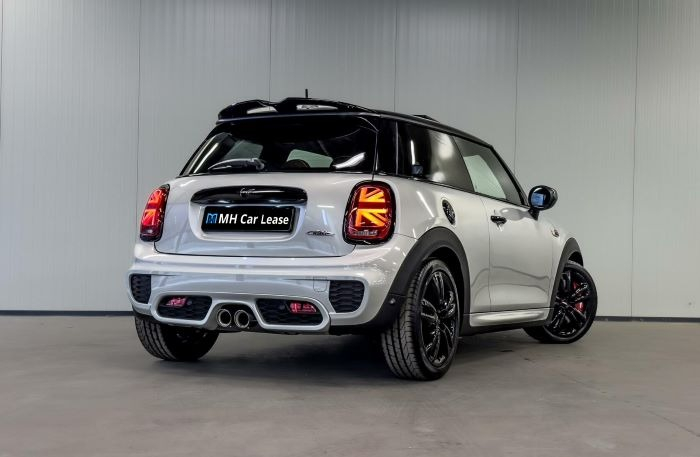
I remember the exact moment I realized I needed to understand car leasing. I was sitting in a dealership showroom, staring at a contract filled with terms like "money factor" and "residual value," and my head was spinning. Sound familiar? You're not alone. Let me walk you through everything you need to know about a car lease, sharing what I wish someone had told me before I signed on the dotted line. Whether you're considering your first lease or wondering if it's time to switch things up, this guide will help you make a smart, confident decision.
What Exactly Is a Car Lease?
Think of a car lease as a long-term rental agreement. You know how renting an apartment means you live there for a set time, pay monthly rent, and give it back when you're done? A car lease works the same way with a vehicle.
In simple terms, a leasing company buys a car, and you agree to pay for using it over a set period, typically 24 to 36 months. Your monthly payments cover the car's depreciation during that time (how much value it loses while you're driving it), plus finance charges and fees.
The car belongs to the leasing company the entire time. At the end of your contract, you hand back the keys and walk away, or in some cases, you can buy the car for a predetermined price called the residual value.
Here's a key difference I've learned the hard way: when you buy a car with an auto loan, you're building equity. With a car lease, you're paying for the privilege of driving a new vehicle without ever owning it. It's not good or bad—it just depends on what you want out of your driving experience.
How Does a Car Lease Work?
Let's break this down into before, during, and after. This is where the rubber meets the road.
Before the Lease
Before you even step foot in a dealership, you need to know your numbers. The leasing company looks at three main factors to calculate your monthly payment:
-
The capitalized cost – This is essentially the selling price of the car that you're negotiating. Yes, you can negotiate! Don't assume the price is set in stone just because you're leasing.
-
The residual value – This is the car's expected value at the end of your lease term. Cars that hold their value better typically have lower monthly payments because you're paying for less depreciation.
-
The money factor – This is the lease's finance charge. To get the equivalent of an interest rate, multiply the money factor by 2,400. For example, a money factor of 0.0023 equals about 5.5% interest.
You'll also need an upfront payment, usually called the amount due at signing. This includes your down payment (if you choose to make one), first month's payment, acquisition fee, taxes, and registration.
During the Lease
Once you're behind the wheel, your responsibilities kick in:
-
Mileage limits are real – Most leases cap you at 10,000 to 15,000 miles per year. Go over that, and you'll pay penalties ranging from 12 to 30 cents per extra mile. Let me tell you, those extra miles add up fast!
-
Maintenance is on you – You're responsible for scheduled maintenance like oil changes, tire rotations, and manufacturer-recommended services.
-
Keep it in good condition – The lease requires you to return the car with normal wear and tear. Anything beyond that—like large dents, damaged interiors, or excessive scuffs—will cost you extra.
-
Insurance requirements – You'll need full coverage insurance that meets the leasing company's minimum requirements. Many leases also require gap insurance to protect the leasing company if the car is totaled.
After the Lease
When you reach the end of your lease term, you generally have three options:
-
Return the car and walk away – Simple and hassle-free, assuming you've stayed within the mileage and wear-and-tear limits.
-
Lease a new car – Trade in your current lease and start fresh with a new model. Many people do this every few years to keep driving the latest vehicles.
-
Buy the car – If you've fallen in love with your lease car, you can purchase it for the predetermined residual value listed in your contract.
Car Lease Pros and Cons
I remember weighing these exact factors when I was deciding whether to lease my last car. Let me share what I've learned so you can make the best choice for your situation.
Pros of Leasing
Lower monthly payments – This is usually the biggest selling point. Because you're only paying for the car's depreciation during your lease term, not the full purchase price, your monthly payments are significantly lower than loan payments for the same vehicle.
Drive a new car every few years – If you love having the latest safety features, cutting-edge technology, and that new-car smell, leasing lets you upgrade regularly without the hassle of selling or trading in.
Warranty coverage throughout – Since most leases are 24 to 36 months, and most new car warranties cover 3 to 5 years, you're protected from major repair costs during your entire lease term.
Easier end-of-term process – When your lease ends, you just return the car and move on. No negotiating trade-in values, no trying to sell it privately, no dealing with depreciation-based losses.
Possible tax benefits for business use – If you're self-employed or use the car for business, you may be able to deduct a portion of your lease payments on your taxes.
Cons of Leasing
You never own the car – This is the fundamental trade-off. Those monthly payments don't build equity or an asset you can sell later. You're essentially renting indefinitely if you keep leasing.
Mileage restrictions – The annual mileage cap can feel limiting. If you take road trips, have a long commute, or just enjoy driving, exceeding your limit can mean expensive penalties.
Customization is off-limits – Because the car isn't yours, you can't modify it. No new sound systems, no custom paint, no aftermarket wheels unless you get explicit permission.
Early termination penalties – I can't stress this enough: ending a lease early is expensive. You could owe 50% to 100% of your remaining payments. Life changes, job relocations, or financial shifts can leave you stuck.
Damage charges – Returning a car with excessive wear and tear means paying fees. And what counts as "excessive" can be surprisingly subjective.
Higher long-term cost – While monthly payments are lower, leasing multiple cars back-to-back typically costs more over time than buying one car and keeping it for several years after the loan is paid off.
Halal Leasing: An Ethical Option
If you're a Muslim driver, you may have wondered whether car leasing aligns with Islamic finance principles. The good news is that halal leasing—also known as halal lease auto or Islamic Car Ijarah—is available and permissible under certain conditions.
What Makes a Lease Halal?
The term Ijarah in Islamic finance means leasing. Under this arrangement, the leasing company (lessor) buys the car and rents it to you (the lessee) for an agreed period and monthly payment.
For a halal lease auto arrangement to be Shariah-compliant:
-
The car must be owned by the leasing company – They bear the risk of ownership, which is fundamentally different from interest-based lending.
-
You're paying for usage, not interest – The monthly payments are rent for using the vehicle, not repayment of a loan with interest.
-
Insurance must be appropriate – In Western countries where conventional insurance is legally required, it's permissible to have it. In Muslim countries, you should seek takaful (Islamic-compliant insurance) instead.
The Ijarah Model
The Bank of Punjab recently launched a Shariah-compliant financing option for vehicles through the Islamic Car Ijarah model. Here's how it works:
-
Ownership transfers to you at the end of the lease period
-
The structure is based on asset leasing rather than conventional interest-based financing
-
It enables halal leasing for buyers seeking ethical vehicle acquisition
Important reminder: In a halal lease auto contract, you must not agree to buy the car at the end through an interest-based bank arrangement, as that would create a new, impermissible contract.
Car Lease vs. Buying: Which Is Right for You?
Let me share how I finally made my decision, because this is where many people—including myself—get stuck.
Lease a Car If…
-
You drive less than 15,000 miles per year – If you have a short commute and don't take frequent road trips, leasing works well.
-
You want lower monthly payments – Leasing makes premium cars more accessible by keeping monthly costs down.
-
You like switching cars every 2 to 3 years – If you enjoy driving the latest models with new features, leasing is your best bet.
-
You prefer predictable costs – Fixed monthly payments make budgeting easier, and warranty coverage means no surprise repair bills.
-
You want to avoid the resale hassle – At lease end, you just return the car and walk away.
Buy a Car If…
-
You drive a lot – With no mileage restrictions, buying is the only practical choice for high-mileage drivers.
-
You keep cars for 5+ years – Once your loan is paid off, you stop making monthly payments and just enjoy the car.
-
You like to customize – Your car, your rules. Add that sound system, change the wheels, get a custom paint job.
-
You want an asset – You build equity with every payment, and the car becomes yours to sell or trade whenever you want.
-
Your credit isn't perfect – Auto loans are often easier to qualify for than leases, which typically require stronger credit scores.
How to Get the Best Car Lease Deal
I've learned these tips through trial and error, and they've saved me a ton of money.
1. Negotiate the capitalized cost, not just the monthly payment
Never walk into a dealership focused only on the monthly number. That's where they'll make their profit. Focus on the car's price first, because that's what your payment is based on.
2. Know your mileage needs
Choose a mileage cap that matches your actual driving habits. Higher mileage limits cost more monthly, but going over your limit costs more in the long run.
3. Pay attention to the money factor
Ask what the money factor is and compare it across dealerships. A small difference can add up to hundreds of dollars over your lease term.
4. Compare multiple offers
Get quotes from different leasing companies, dealerships, and brokers. MH Car Lease offers personalized service and flexible options, including for those with BKR registrations, which is a great example of finding a company that fits your needs.
5. Watch the fees
Acquisition fees, disposition fees, and other charges can add thousands to your lease. Ask about them upfront and see if any can be waived or negotiated.
6. Consider MH Car Lease
Based on my research, companies like MH Car Lease offer unique and personal approaches to leasing. They provide financial, operational, and private lease options tailored to your specific situation. Their core values include integrity, transparency, and efficiency—exactly what you want when making a major financial commitment.
Common Car Lease Terms You Should Know
Understanding the jargon can save you from expensive mistakes.
-
Acquisition Fee: The charge to set up your lease, usually $595 to $1,095. It's rarely negotiable.
-
Capitalized Cost: The selling price of the car plus any fees included in the lease. This is what you negotiate.
-
Disposition Fee: The charge at lease end to prepare the car for resale, typically $300 to $400. Often waived if you lease another car from the same company or buy the car.
-
Gap Insurance: Covers the difference if your leased car is totaled or stolen and your insurance doesn't pay enough to settle the lease balance.
-
Lessee: That's you, the person leasing the car.
-
Lessor: The company that owns the car and is leasing it to you.
-
Money Factor: The finance charge in a lease. Multiply by 2,400 to get the approximate interest rate.
-
Residual Value: The car's estimated value at the end of the lease. Higher residual value equals lower monthly payments.
Is a Car Lease Worth It?
Let me be honest with you. I've leased cars and I've bought cars, and the answer to "Is it worth it?" depends entirely on your lifestyle and priorities.
A car lease is worth it if:
-
You prioritize low monthly payments over ownership
-
You love driving new cars with the latest features every few years
-
You stay within mileage limits easily
-
You want predictable, fixed costs with warranty coverage
A car lease is not worth it if:
-
You drive more than 15,000 miles annually
-
You want to build equity and eventually own your car outright
-
You like customizing your vehicle
-
You might need to end the contract early
Final Thoughts
Car leasing isn't complicated, but it's different from buying, and that difference matters. I remember sitting across from that dealership finance manager, feeling overwhelmed by all the numbers and jargon. But once I understood the basics—the capitalized cost, residual value, money factor, mileage limits—the whole picture became clear.
Whether you're considering a car lease for the first time or you're a seasoned lessee looking to get the best deal, the key is knowing your own needs first. How many miles do you really drive? Do you want a new car every few years or are you in it for the long haul? What does your budget actually allow?
And if you're looking for halal leasing options, know that Islamic finance principles do provide ethical pathways through the Ijarah model. Companies like MH Car Lease offer flexible, transparent, and personalized service that can help you find the right fit—whether you're a business owner, a private individual, or someone with unique circumstances like a BKR registration.
At the end of the day, the best decision is the one that fits your life. Not your neighbor's, not your co-worker's, not what the dealership wants to sell you. Your car, your terms, your choice. And if you decide to lease, enjoy the ride—you'll be back for another new car before you know it!
 Deutsch
 English
 Arabic
 French
 Spanish
 Portuguese
 Turkish
 Dutch
Dutch
 Italiano
 Russian
 Romaian
 Portuguese (Brazil)
 Greek
Greek
