


 Pro Benefits
 About
About
 Koşullar
 Gizlilik
 Child Safety & Protection
 Bildirimler
 Ayrush Global It Services Pvt Ltd
A Fragile Dawn: Inside the Israel–Hamas Peace Breakthrough
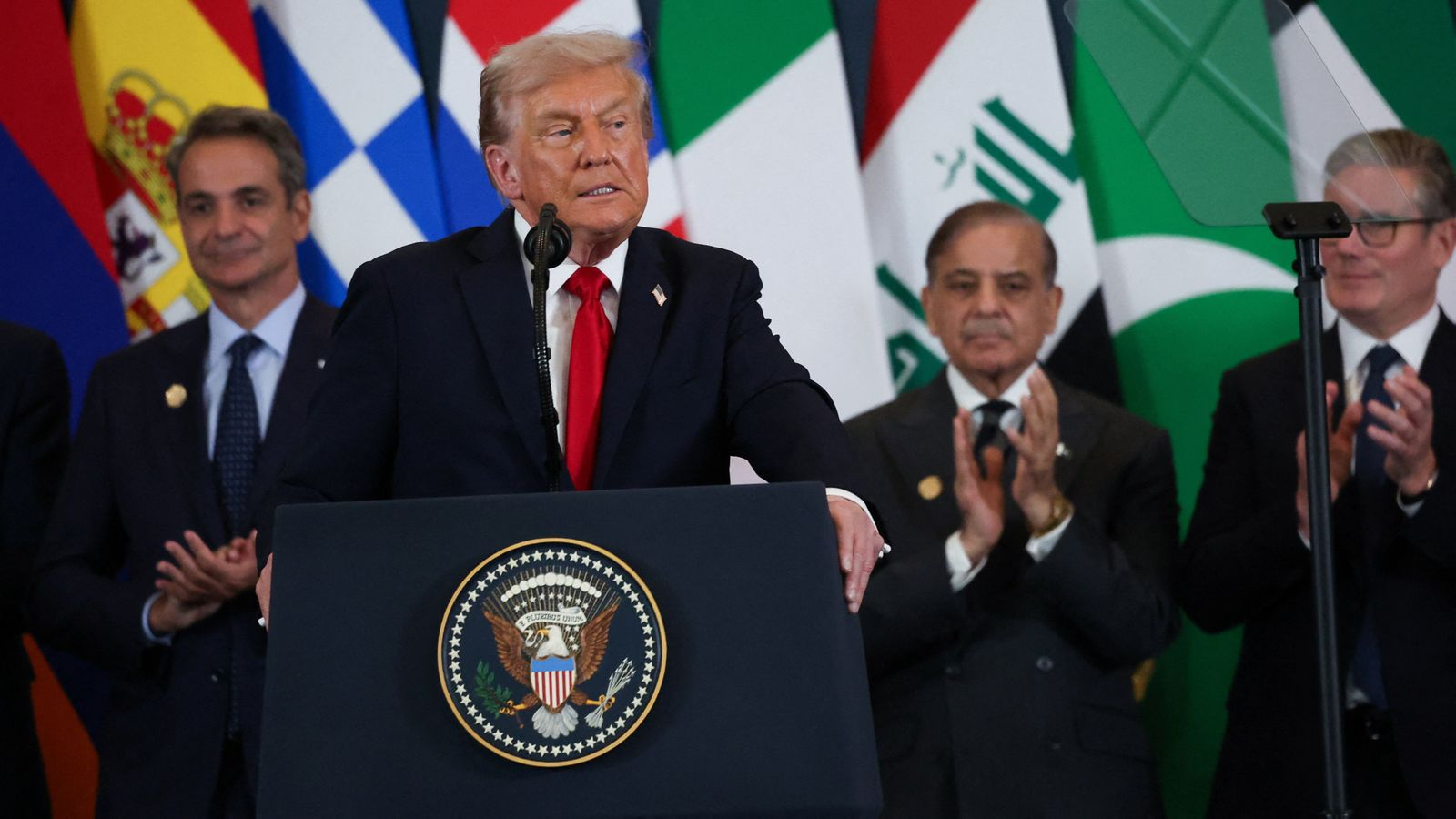
For decades, the Israeli–Palestinian conflict has stood as one of humanity’s deepest wounds — an endless cycle of fear, destruction, and mistrust. But in a moment few thought possible, new hope has surfaced. In October 2025, Israel and Hamas announced a framework agreement — a cautious yet historic step that could begin to heal one of the world’s longest-running conflicts.
The deal doesn’t promise instant harmony. Yet, for the first time in years, the guns have gone silent, and the word peace has returned to diplomatic vocabulary.
How the Deal Came to Be
Behind this fragile accord were months of painstaking talks hosted in neutral venues, mediated by the United States, Qatar, and Egypt. Negotiators faced enormous pressure: Gaza’s humanitarian crisis had reached catastrophic proportions, while in Israel, citizens demanded answers and the safe return of captives.
Eventually, a point of compromise was found. Both parties — exhausted by endless war — accepted that a limited, phased agreement might succeed where decades of all-or-nothing politics had failed.
This first phase, called the “Framework for Calm,” forms the backbone of a broader peace roadmap meant to stabilize Gaza and gradually rebuild trust between bitter enemies.
The Core of the Agreement
1. Ceasefire Implementation
All military actions, airstrikes, and rocket launches were to stop immediately. Both forces were instructed to hold their positions while international observers verified compliance.
2. Exchange of Captives and Prisoners
Hamas agreed to release several Israeli hostages, including women and children, while Israel consented to free hundreds of Palestinian detainees. These parallel releases were designed not merely as humanitarian gestures, but as early steps toward accountability and confidence-building.
3. Humanitarian Relief and Aid Corridors
For the first time in months, Gaza’s border crossings opened to allow medical supplies, fuel, and food convoys. The agreement grants international aid agencies unimpeded access to assist civilians displaced by fighting.
4. Partial Military Withdrawal
Israeli troops will gradually reposition outside certain populated areas, enabling local governance and relief work to resume. In return, Hamas is expected to maintain order and prevent further attacks.
5. Oversight and Monitoring
A coalition of neutral nations has taken responsibility for monitoring the truce, reporting violations, and mediating disputes. This external presence aims to prevent the rapid breakdowns that doomed previous ceasefires.
Hopes in the Midst of Ruin
Beyond the diplomatic tables and press statements, the deal’s real meaning lies in its human impact. In Gaza, families have begun returning to damaged homes, children are back in makeshift schools, and aid trucks bring long-awaited relief.
For Israelis, the sight of hostages returning home alive has brought both tears and relief. After years of fear and mourning, there is a tentative feeling that maybe — just maybe — the cycle could break.
Still, the physical and emotional scars remain deep. Entire neighborhoods have vanished, and trauma runs through every household. Rebuilding trust may take far longer than rebuilding walls.
Unanswered Questions
Even with this progress, several thorny issues continue to threaten the peace effort.
-
The Question of Disarmament: Israel insists Hamas must surrender its weapons, while Hamas refuses to do so without guarantees of sovereignty and protection.
-
Governance of Gaza: The future administrative control of Gaza remains undecided. Will Hamas continue to rule? Or will a coalition backed by international supervision step in?
-
Security Boundaries: The geographical limits of Israeli withdrawal are vague, and both sides fear breaches that could reignite fighting.
-
Reconstruction Funding: Billions will be required to rebuild Gaza’s destroyed infrastructure. Donor nations are supportive, but wary of corruption or renewed instability.
Until these details are addressed, the peace remains paper-thin — a promise balanced on hope and political will.
The World Responds
The international community has cautiously applauded the deal. The United Nations hailed it as a “turning point,” while neighboring Arab nations called it “a long-overdue moment of reason.”
Western governments view the accord as a diplomatic victory and a chance to restore regional stability. Even nations traditionally critical of Israel, such as Turkey and Iran, have publicly acknowledged that de-escalation benefits everyone.
Yet, most global leaders emphasize that sustaining peace will require vigilance. They’ve seen truces fail before — and know that words alone cannot erase decades of division.
Why This Moment Matters
This peace framework is more than a truce; it’s a reflection of exhaustion and recognition. Both societies have learned that war offers no winners — only survivors.
For Israel, this deal represents an opportunity to restore international credibility and refocus on domestic unity. For Palestinians, it is a chance to rebuild lives, schools, and cities — and perhaps to regain a voice on the world stage.
If nurtured carefully, this fragile understanding could spark a broader conversation about coexistence, justice, and mutual respect. If neglected, it risks becoming just another line in the long chronicle of broken peace attempts.
The Road Ahead
The coming months will test the resilience of this agreement. Implementing every clause — from prisoner swaps to aid delivery — will require discipline and patience.
Public sentiment will also play a decisive role. Peace cannot survive if citizens on either side feel betrayed or excluded. It demands leaders who speak with empathy, not vengeance; who choose rebuilding over revenge.
History offers countless warnings, but also a few precious lessons: sustainable peace is rarely born from triumph, but from shared exhaustion and the courage to imagine something better.
Final Thought
The Israel–Hamas peace breakthrough may be fragile, but fragility does not mean failure. Every enduring peace begins with uncertainty — a small, trembling handshake across lines once drawn in blood.
This moment could fade like so many before it. Or it could become the beginning of a slow, determined transformation — one built not on political expediency, but on the realization that the cost of war has finally outweighed its purpose.
For now, the guns are silent, the skies are still, and weary hearts dare to hope.
It’s not full peace — but perhaps, it’s the first sunrise after a very long night.

 English
 Arabic
 French
 Spanish
 Portuguese
 Deutsch
 Dutch
Dutch
 Italiano
 Russian
 Romaian
 Portuguese (Brazil)
 Greek
Greek
