


 Pro Benefits
 About
About
 Termini e Condizioni
 Privacy
 Child Safety & Protection
 Notifiche
 Ayrush Global It Services Pvt Ltd
What Causes Erectile Dysfunction in Men? Understanding the Common Factors
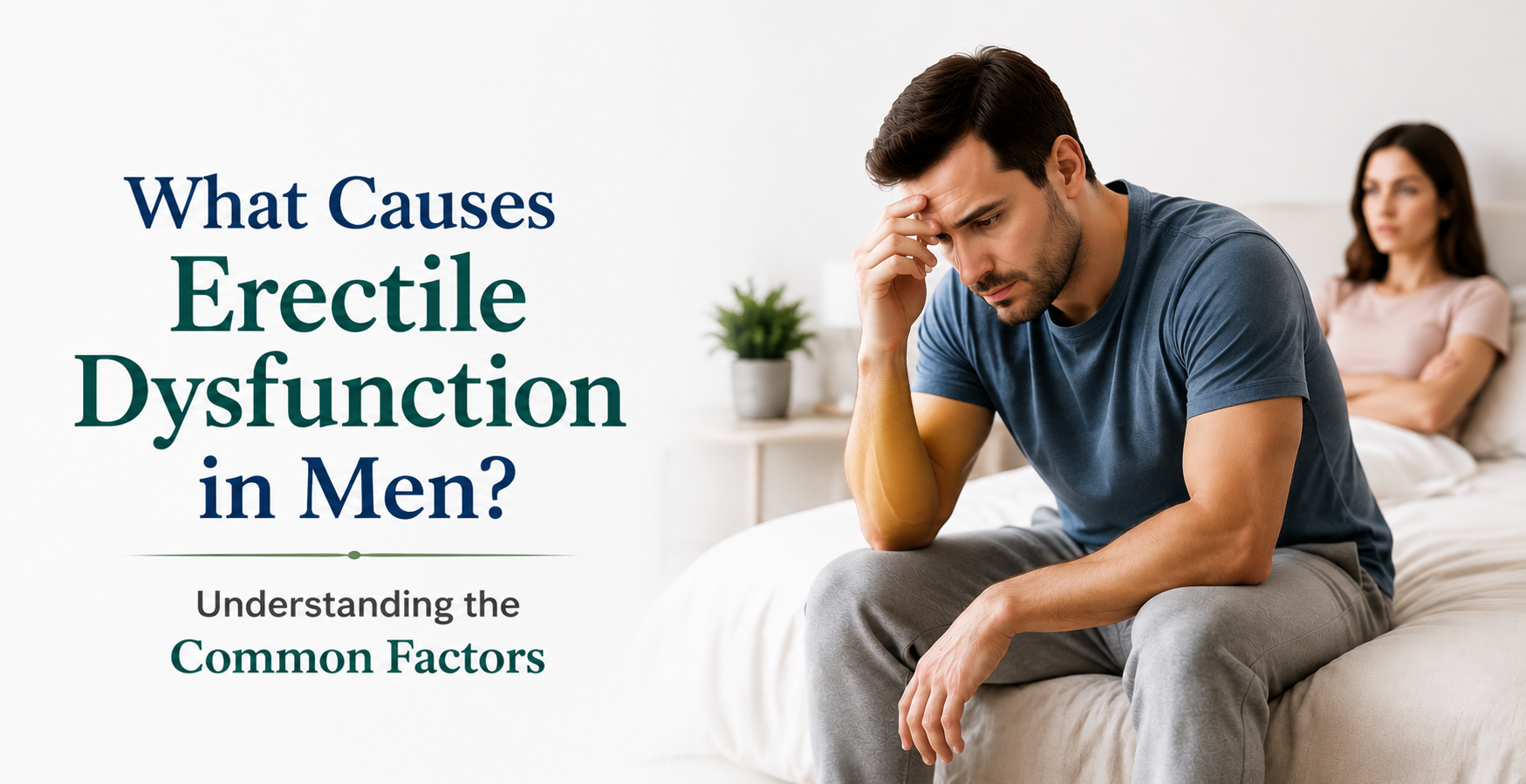
Erectile dysfunction (ED) is one of the most common sexual health concerns affecting men. It refers to the difficulty of achieving or maintaining an erection that is firm enough for sexual activity. While occasional erection problems can happen due to stress, tiredness, or temporary factors, frequent ED may indicate an underlying health or lifestyle issue.
Understanding the causes of erectile dysfunction is an important step toward finding the right approach for improving sexual wellness. ED is not only related to sexual function—it can also be connected to heart health, hormones, mental well-being, and overall lifestyle.
How Does an Erection Normally Occur?
An erection involves a complex process that requires proper communication between the brain, nerves, hormones, and blood vessels.
When a man becomes sexually stimulated, the brain sends signals that increase blood flow to the penis. The blood vessels relax, allowing the penis to become firm. If any part of this process is affected, erectile difficulties may occur.
Problems with circulation, nerve function, hormone levels, or emotional health can all contribute to ED.
Common Physical Causes of Erectile Dysfunction
1. Cardiovascular Problems
Blood flow is vital to achieving an erection. Problems with the heart and blood vessels could affect blood flow around the entire body, including the penis.
Common cardiovascular factors linked with ED include:
- High blood pressure
- High cholesterol
- Atherosclerosis (narrowing of arteries)
- Heart disease
Since erectile function depends heavily on blood vessel health, ED can sometimes appear as an early sign of circulation problems.
2. Diabetes
Diabetes is a common condition associated with erectile dysfunction. Over time, high blood sugar levels may damage blood vessels and nerves involved in sexual function.
Men with diabetes may experience ED due to:
- Reduced blood circulation
- Nerve damage
- Hormonal changes
Maintaining proper sugar balance through healthy habits and treatment can help maintain good health.
3. Hormonal Changes
Testosterone is an important hormone involved in male sexual health, energy, and reproductive function.
Low levels of testosterone can be linked to:
- Reduced sexual desire
- Lower energy
- Mood changes
- Difficulty maintaining erections
Hormone levels can change naturally with age, but persistent symptoms may require professional evaluation.
4. Obesity and Excess Weight
Carrying excess weight can increase the risk of several health conditions that may contribute to ED.
Obesity may affect erectile health by:
- Reducing cardiovascular fitness
- Increasing inflammation
- Affecting hormone balance
- Increasing the risk of diabetes
Maintaining a healthy weight through exercise and balanced nutrition supports better overall wellness.
5. Neurological Conditions
The nervous system plays an important role in sexual function. Conditions that affect nerve signals may interfere with the ability to achieve an erection.
Examples include:
- Spinal cord injuries
- Multiple sclerosis
- Parkinson's disease
- Nerve damage caused by diabetes
Proper evaluation can help identify whether nerve-related factors are contributing to ED.
Lifestyle Factors That May Contribute to ED
Smoking
Smoking is a major risk factor for erectile difficulties because it can damage blood vessels and reduce circulation.
Quitting smoking may support:
- Better blood flow
- Improved cardiovascular health
- Long-term sexual wellness
Excessive Alcohol Use
While occasional alcohol consumption may not cause problems for many men, heavy drinking can affect:
- Nerve function
- Hormone balance
- Sexual desire
- Erectile performance
Reducing excessive alcohol intake can support better overall health.
Lack of Physical Activity
A sedentary lifestyle may increase the risk of obesity, poor circulation, and cardiovascular problems.
Regular exercise supports:
- Healthy blood flow
- Better stamina
- Weight management
- Improved mood
Activities such as walking, strength training, swimming, and cycling can contribute to overall men's health.
Psychological Causes of Erectile Dysfunction
Mental and emotional factors can significantly affect sexual performance.
Typical psychological reasons are:
Stress
Work-related stress, financial problems, and personal worries might influence one’s ability to respond sexually and sustain an erection.
Anxiety
Performance anxiety can create a cycle where fear of ED makes the problem more likely to continue.
Depression
Depression may reduce sexual interest, energy levels, and emotional connection.
Relationship Concerns
Communication problems, unresolved conflicts, or emotional distance may also affect sexual wellness.
Addressing emotional health is an important part of managing erectile concerns.
Medication-Related Causes
Certain medications may contribute to erectile difficulties as a side effect.
Examples may include some medicines used for:
- High blood pressure
- Depression
- Anxiety
- Hormonal conditions
- Other chronic health problems
If you notice ED symptoms after starting a new medication, discuss your concerns with a healthcare professional rather than stopping treatment on your own.
How Can Lifestyle Changes Support Erectile Health?
Making healthy daily choices can support better circulation, energy, and overall wellness.
Helpful habits include:
- Exercising regularly
- Eating a balanced diet
- Maintaining a healthy weight
- Getting quality sleep
- Managing stress
- Avoiding tobacco
- Limiting alcohol
- Managing health conditions
These changes may improve factors connected with erectile function and support long-term men's health.
Medical Treatment Options for Erectile Dysfunction
Lifestyle improvements can help many men, but some may require additional treatment. Healthcare professionals may recommend prescription options depending on the cause and individual health needs.
Medications such as vardenafil may be used to help men with erectile dysfunction by improving blood flow during sexual stimulation. Vardenafil belongs to the PDE5 inhibitor group and should only be used under professional guidance, especially for men with heart conditions or those taking certain medications.
When Should You Seek Help?
Occasional erection difficulties are common, but persistent ED should not be ignored.
Consider speaking with a healthcare professional if you experience:
- Ongoing difficulty achieving erections
- Trouble maintaining erections
- Reduced sexual desire
- Symptoms affecting confidence or relationships
- Other health concerns, such as diabetes or high blood pressure
A proper evaluation can help identify the underlying cause and guide suitable treatment.
Final Thoughts
ED may be caused by various elements, such as physical illnesses, lifestyle choices, psychological distress, and some drugs. Identifying the causes is the first step to addressing the problem.
A healthy life style, exercise, proper nutrition, dealing with stress, and medical advice could be helpful in maintaining good sexual health. Erectile dysfunction is a widespread but treatable disease. Getting proper medical consultation will allow men to take control over their well-being.
 Italiano
 English
 Arabic
 French
 Spanish
 Portuguese
 Deutsch
 Turkish
 Dutch
Dutch
 Russian
 Romaian
 Portuguese (Brazil)
 Greek
Greek
