


 Pro Benefits
 About
About
 Termini e Condizioni
 Privacy
 Child Safety & Protection
 Notifiche
 Ayrush Global It Services Pvt Ltd
How Breakfast Cereals Support Daily Nutrition
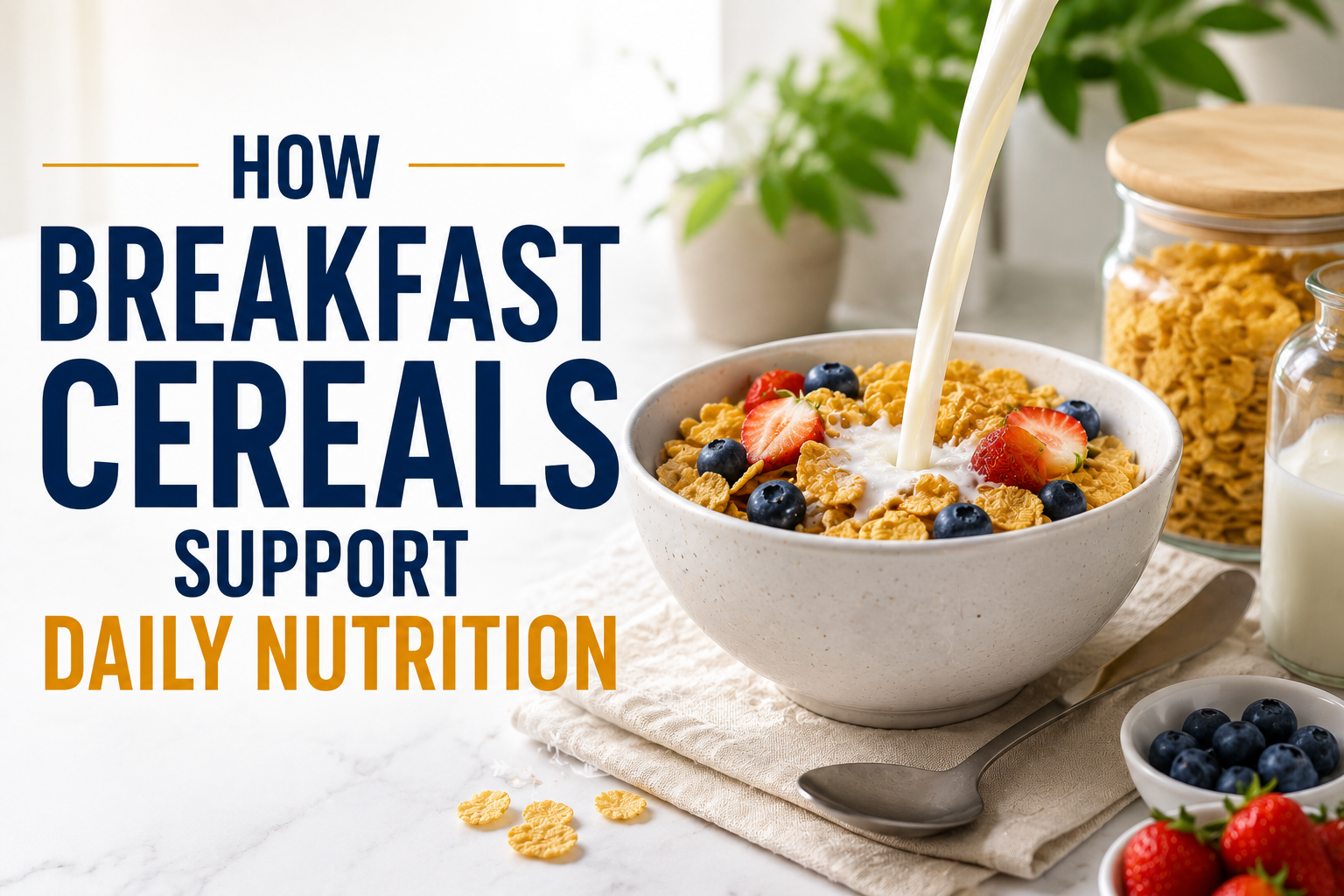
Breakfast cereals remain a widely used food category because they offer convenience, variety, shelf stability, and quick meal preparation. Products such as ready-to-eat cereals, hot cereals, granola, muesli, oats, cornflakes, wheat flakes, and fortified cereal blends are consumed by households, students, working adults, hotels, cafés, and institutional foodservice providers. Their demand is shaped by urban routines, packaged food access, and changing breakfast habits.
A recent global breakfast cereals study by MarkNtel Advisors highlights demand from ready-to-eat cereals, supermarkets and hypermarkets, North America, and convenience-led eating patterns. The report values the sector at USD 43.56 billion in 2025 and projects it to grow from USD 46.15 billion in 2026 to USD 62.56 billion by 2032, reflecting a CAGR of around 5.2% during 2026–2032.
Convenience Drives Breakfast Choices
Convenience is one of the strongest reasons consumers choose breakfast cereals. Many households need quick breakfast options that require little preparation, especially during workdays, school mornings, travel schedules, and busy routines. Cereals can be served with milk, yogurt, fruit, nuts, or plant-based beverages, making them flexible for different preferences.
This convenience also supports demand in hotels, hostels, cafeterias, and institutional foodservice settings. Ready-to-serve cereal portions are easy to store, serve, and manage. For consumers, the main appeal is time saving without completely skipping breakfast, particularly in urban households where morning routines are compressed.
Ready-to-Eat Cereals Lead Products
Ready-to-eat cereals accounted for about 87% share in 2026, according to the shared study. Their leadership is linked with ease of use, long shelf life, wide product variety, and strong retail availability. Cornflakes, wheat flakes, multigrain cereals, granola clusters, chocolate cereals, and children’s cereals all fall within this broad category.
Ready-to-eat formats work well because they fit both individual and family consumption. Brands can also create options for different needs, including high-fiber, low-sugar, fortified, protein-rich, gluten-free, organic, and whole-grain products. This helps the category serve both traditional cereal buyers and health-conscious consumers.
North America Holds the Largest Share
North America accounted for around 45% share in 2026, making it the leading regional segment in the report. The region has a long-established cereal culture, strong packaged food retail, high brand awareness, and wide availability of both mainstream and premium cereal products.
The United States and Canada also have mature supermarket networks and strong breakfast-at-home habits. Consumers can choose from traditional flakes, hot cereals, granola, oatmeal cups, and specialized nutrition-focused products. However, growth in mature regions depends heavily on product innovation, reformulation, and brand differentiation.
Whole Grains Add Nutritional Value
Whole grains are becoming more important in cereal formulations because consumers are paying closer attention to fiber, digestive wellness, and balanced eating. Oats, wheat, barley, corn, rice, millet, and multigrain blends are used to create products with different textures, flavors, and nutrition profiles.
The USDA’s MyPlate grains guidance recommends making at least half of grain intake whole grains. This supports demand for cereals that clearly communicate whole-grain content, fiber benefits, and simple ingredient profiles, especially among families and health-aware shoppers.
Sugar Reduction Influences Formulation
Sugar content remains an important issue in breakfast cereal choices. Many traditional cereals, especially children’s products and flavored varieties, contain added sugars. As consumers compare nutrition labels more carefully, manufacturers are reformulating products with lower sugar, natural flavors, fruit inclusions, or less-sweet taste profiles.
The World Health Organization’s sugar intake guidance recommends reducing free sugar intake among adults and children. This public-health context supports the movement toward cereals that balance taste, affordability, and improved nutrition labeling.
Supermarkets Support Product Reach
Supermarkets and hypermarkets remain important distribution channels because they give cereal brands strong shelf visibility and allow consumers to compare price, pack size, nutrition claims, flavors, and promotional offers. Large-format stores also support family packs, value bundles, premium products, and imported cereal options.
Retail placement matters because cereals are often purchased during routine grocery shopping. Eye-level shelves, breakfast aisles, end-cap promotions, and private-label offerings all influence buying decisions. Online grocery platforms are also expanding access, but physical retail continues to shape discovery and repeat purchase behavior.
Fortification Supports Everyday Diets
Many breakfast cereals are fortified with vitamins and minerals such as iron, folic acid, B vitamins, vitamin D, calcium, and zinc. Fortification can help improve nutrient intake when cereals are consumed regularly as part of a balanced diet. This is especially relevant for children, students, and busy adults.
However, fortification does not automatically make every cereal healthy. Overall product quality depends on whole-grain content, added sugar, sodium, fiber, portion size, and eating pattern. Consumers increasingly look beyond front-pack claims and compare full nutrition panels before choosing products.
Flavor Innovation Keeps Demand Active
Flavor innovation helps cereal brands stay relevant in a competitive breakfast category. Products now include fruit and nut blends, chocolate varieties, honey flavors, cinnamon, high-protein granola, seed mixes, regional flavors, and indulgent dessert-inspired options. This variety helps brands reach children, adults, fitness consumers, and premium buyers.
Texture is also important. Crunchy clusters, flakes, puffs, rings, muesli mixes, and oat-based formats create different eating experiences. Successful products often combine taste, nutrition, convenience, and price rather than relying on one factor alone.
Outlook for Breakfast Cereals
Breakfast cereal demand is being shaped by ready-to-eat products, North America’s leading share, convenience-led eating, supermarkets, whole-grain nutrition, sugar reduction, and product innovation. The report figures indicate steady growth through 2032 as cereals continue serving busy households and foodservice settings.
The long-term direction will depend on health positioning, ingredient transparency, affordability, flavor variety, e-commerce growth, and consumer trust. As breakfast habits continue evolving, cereals will remain a practical option for quick meals, balanced routines, and convenient packaged nutrition.
 Italiano
 English
 Arabic
 French
 Spanish
 Portuguese
 Deutsch
 Turkish
 Dutch
Dutch
 Russian
 Romaian
 Portuguese (Brazil)
 Greek
Greek
