


 Pro Benefits
 About
About
 Terms
Terms
 Privacy
 Child Safety & Protection
 Notifications
 Ayrush Global It Services Pvt Ltd
Common Mistakes to Avoid When Testing Smoke Detectors
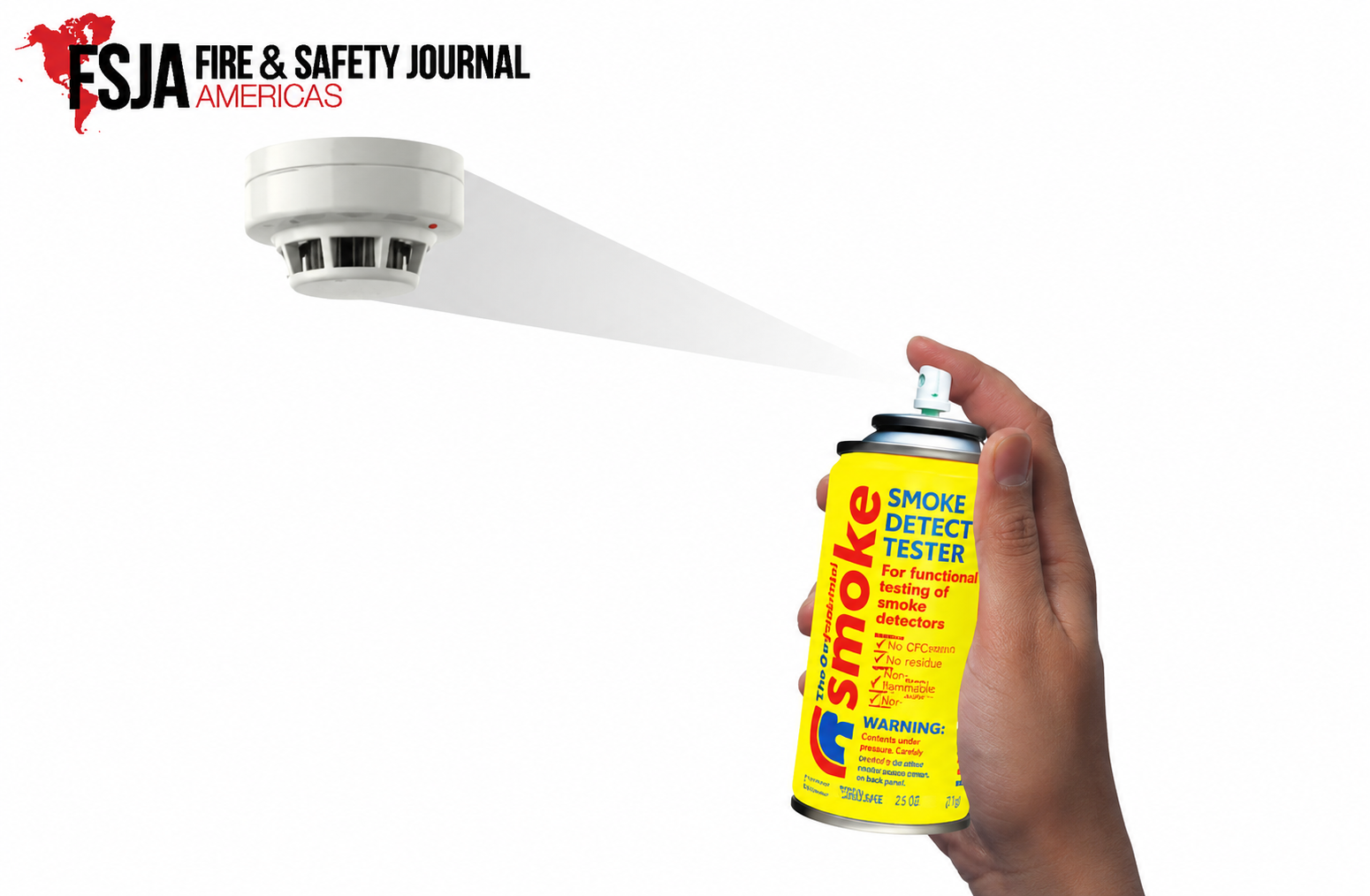
Smoke detectors play a critical role in protecting homes, workplaces, and public spaces by providing early warnings during fire emergencies. However, simply having these devices installed is not enough. Regular testing is necessary to ensure alarms are functioning correctly and can respond when needed.
Many people unknowingly use incorrect testing methods that may damage internal components, affect sensor accuracy, or create a false sense of security. Common mistakes such as skipping maintenance, ignoring battery issues, or testing alarms incorrectly can reduce the reliability of these essential safety devices.
Understanding the right approach helps users maintain effective fire detection systems and avoid problems that could delay emergency alerts. This guide explains the most common mistakes people make when checking smoke detectors and provides practical advice for maintaining reliable alarm performance.
Why Proper Smoke Detector Testing Matters?
Regular testing ensures that smoke detectors remain operational and capable of providing timely warnings during potential fire situations. A properly maintained alarm system improves safety by reducing the risk of undetected fires.
Helps Identify Faulty Alarms Early
Testing allows users to detect issues such as weak batteries, damaged components, or sensor failures before an emergency occurs.
Ensures Reliable Fire Detection
A functioning smoke detector can quickly alert occupants, giving them valuable time to evacuate and respond safely.
Prevents False Confidence
An alarm that has not been tested regularly may appear functional but fail when exposed to actual fire conditions.
Supports Long-Term Device Performance
Routine checks and maintenance help extend the working life of smoke detectors and maintain consistent operation.
Mistakes That Can Impact Smoke Detector Testing Results
Testing smoke detectors incorrectly can reduce their effectiveness and may prevent them from providing proper warnings during emergencies. Avoiding these common mistakes helps maintain dependable fire safety protection.
Testing with Real Smoke or Flames
Using candles, matches, or other sources of smoke to check an alarm can contaminate sensors and damage internal parts. Instead, approved testing methods should be used to confirm proper operation without harming the device.
Ignoring Manufacturer Guidelines
Every smoke detector may have specific testing instructions provided by the manufacturer. Failing to follow these recommendations can result in incorrect checks, reduced performance, or unnecessary damage to the alarm system.
Forgetting to Check Battery Condition
A detector may appear functional but still fail due to weak or expired batteries. Battery status should always be reviewed during maintenance to ensure the device has sufficient power for emergency operation.
Skipping Regular Testing Schedules
Many users only check alarms after hearing warning sounds or noticing problems. Following a consistent testing routine helps identify issues earlier and ensures every unit remains ready when required.
Not Cleaning Dust and Debris
Dust buildup around sensors can interfere with smoke detection and may trigger false alarms. Gentle cleaning helps maintain sensor sensitivity and improves the overall reliability of the detector.
Assuming the Alarm Sound Means Everything Works
A loud alarm does not always confirm complete functionality. Users should also check indicator lights, power sources, and overall device condition to ensure the detector is operating correctly.
How to Test Smoke Detectors Correctly
Using the correct approach is essential for confirming that alarms are working without causing damage. Safe testing methods help maintain detector accuracy and reliability over time.
Use the Built-In Test Button
The test button is the safest and most common way to check alarm functionality. Pressing it activates the internal system check and confirms whether the warning sound operates correctly.
Check Power and Warning Indicators
During testing, review battery status lights and other indicators that show whether the device is receiving power and functioning properly.
Inspect Detector Placement
Smoke detectors should be positioned correctly and kept free from objects that may block airflow. Checking placement during testing helps maintain effective detection coverage.
Record Maintenance Checks
Keeping track of testing dates, battery replacements, and issues found during inspections makes it easier to manage regular safety maintenance.
The process involved in how to test smoke detectors focuses on using safe methods, checking alarm responses, and ensuring every device remains ready to provide protection when needed.
Conclusion
Avoiding common testing mistakes is essential for keeping smoke detectors dependable and effective. Incorrect methods, missed maintenance, and ignored warning signs can reduce the ability of these devices to provide early fire alerts.
Regular checks, proper cleaning, and safe testing practices help ensure alarms continue working as expected during emergencies. Fire safety awareness remains an important part of protecting people and property, and resources from Fire and Safety Journal Americas can help professionals and individuals stay informed about safety practices.
By maintaining smoke detectors correctly, users can improve emergency preparedness and create safer environments.
FAQs
1. How often should smoke detectors be tested?
Smoke detectors should generally be tested regularly according to manufacturer recommendations to confirm they are operating properly.
2. Can smoke detectors be tested using real smoke?
No. Real smoke can damage sensors and affect detector performance. Approved testing methods are safer and more reliable.
3. Why does my smoke detector beep after testing?
A beeping alarm may indicate low battery power, maintenance needs, or another issue requiring attention.
4. When should a smoke detector be replaced?
Smoke detectors should be replaced when they become outdated, damaged, or no longer function correctly after testing.
 English
 Arabic
 French
 Spanish
 Portuguese
 Deutsch
 Turkish
 Dutch
Dutch
 Italiano
 Russian
 Romaian
 Portuguese (Brazil)
 Greek
Greek
