


 Pro Benefits
 About
About
 Termini e Condizioni
 Privacy
 Child Safety & Protection
 Notifiche
 Ayrush Global It Services Pvt Ltd
Gun Sight Optical Problems That Affect Viewing Performance
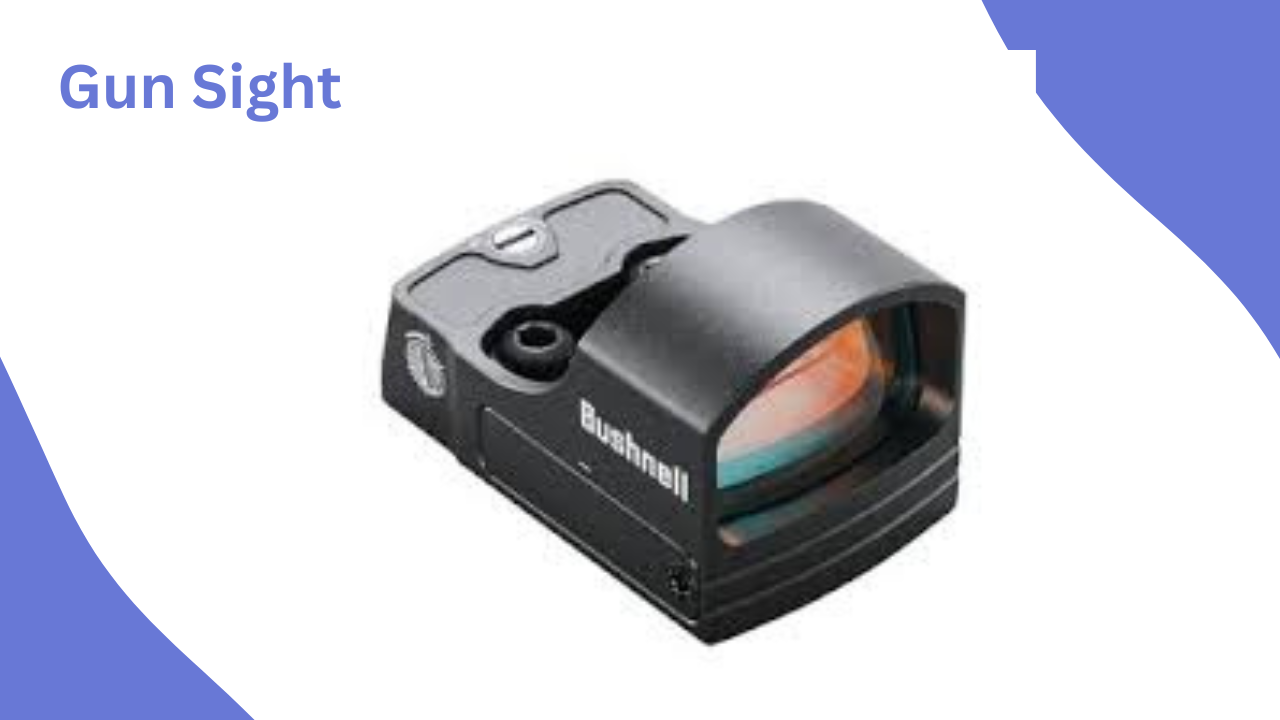
A gun sight is designed to help users see a clear aiming point and a sharp target image. Whether it is used for sport shooting, hunting where legal, law enforcement, or professional testing, the optical system must deliver consistent performance under different lighting and environmental conditions.
Yet users sometimes notice blurry reticles, glare, fogging, or reduced image clarity. Many assume the optic has failed, but the real cause often lies elsewhere. Mounting quality, lens cleanliness, environmental conditions, and optical alignment all influence the final viewing experience.
Think of it like looking through a clean window during a rainstorm. The window may be perfectly made, but poor weather still changes what you see.
This article explores the common optical issues that affect gun sight performance and explains why system-level quality matters more than a single specification.
A Gun Sight Is Part of a Complete Optical System
Many buyers expect a premium gun sight to deliver perfect clarity under every condition.
In reality, optical performance depends on several factors working together, including:
- Optical lenses
- Lens coatings
- Mechanical housing
- Display or reticle system (where applicable)
- Mounting stability
- Environmental conditions
If one component performs poorly, overall image quality may decline.
High-quality optics improve the viewing experience, but they cannot compensate for every external factor.
Lens Contamination Is More Common Than People Think
Dust, fingerprints, water spots, and airborne particles gradually collect on optical surfaces.
Even small amounts of contamination may reduce:
- Image contrast
- Light transmission
- Edge sharpness
- Overall clarity
Many users suspect an expensive optical problem when the real solution is careful lens cleaning.
Using manufacturer-approved microfiber cloths and optical cleaning solutions helps protect coatings while maintaining image quality.
Glare Can Reduce Visibility
Bright sunlight and artificial lighting sometimes create unwanted reflections inside optical systems.
Glare may cause:
- Lower contrast
- Reduced visibility
- Bright reflections
- Visual distraction
Modern optics often include anti-reflective coatings that reduce these reflections, but no coating completely eliminates glare in every lighting condition.
Engineers carefully balance optical transmission and reflection control during product development.
Environmental Conditions Affect Optical Performance
Outdoor optics face constant environmental challenges.
Common conditions include:
- Rain
- Fog
- Dust
- Humidity
- Rapid temperature changes
These factors may temporarily affect visibility even when the gun sight itself functions normally.
Manufacturers frequently seal premium optics against water and dust to improve durability, but regular inspection and proper storage remain important.
Optical Alignment Influences Viewing Quality
Precision optics require accurate alignment during manufacturing.
If alignment shifts because of impact, wear, or mechanical issues, users may notice:
- Blurred image edges
- Distorted viewing
- Uneven image quality
- Reduced optical consistency
This highlights why build quality and manufacturing precision matter just as much as lens specifications.
Lens Coatings Help Improve Image Quality
Modern gun sight optics often include specialized coatings that improve optical performance.
These coatings can:
- Increase light transmission
- Reduce surface reflections
- Improve image contrast
- Protect lens surfaces
Improper cleaning methods may damage these coatings over time.
Using household glass cleaners or abrasive cloths can shorten the life of optical surfaces.
Following the manufacturer's care recommendations helps preserve long-term performance.
Temperature Changes Can Influence Optics
Optical materials expand and contract slightly as temperatures change.
Although these changes are usually very small, they may influence:
- Mechanical fit
- Optical alignment
- Internal fog resistance
- Long-term durability
Manufacturers address these challenges through material selection and environmental testing.
Stable construction helps maintain consistent optical performance across different climates.
Regular Maintenance Supports Reliable Performance
Routine care helps maintain optical quality over time.
A simple maintenance checklist includes:
- Clean lenses with approved optical materials.
- Inspect optical surfaces regularly.
- Keep protective lens covers in place during storage.
- Store equipment in a clean, dry environment.
- Check for visible damage after heavy use.
- Follow the manufacturer's maintenance recommendations.
Preventive care often preserves performance longer than reactive repairs.
Common Gun Sight Optical Problems
| Problem | Likely Cause |
|---|---|
| Blurry image | Dirty lenses or optical misalignment |
| Reduced contrast | Lens contamination or glare |
| Internal fogging | Moisture intrusion or temperature differences |
| Excessive reflections | Strong ambient lighting |
| Uneven image quality | Optical alignment or manufacturing issues |
Why Overall Optical Design Matters
Professional optical engineers evaluate a gun sight as a complete imaging system rather than a collection of individual parts.
Reliable performance depends on:
- Precision lens manufacturing
- Durable optical coatings
- Stable mechanical construction
- Accurate optical alignment
- Effective environmental sealing
- Consistent quality control
Focusing on one feature alone rarely predicts real-world optical performance.
Balanced engineering produces more dependable results than impressive marketing specifications.
Final Thoughts
A gun sight is a precision optical instrument, and its performance depends on much more than lens quality alone. Clean optics, proper maintenance, stable construction, environmental protection, and careful manufacturing all contribute to a clear viewing experience.
When image quality declines, inspect the complete optical system before assuming the optic itself has failed. In many cases, routine maintenance or environmental factors explain the problem.
Like any precision optical device, consistent performance comes from a combination of thoughtful engineering and proper care.
 Italiano
 English
 Arabic
 French
 Spanish
 Portuguese
 Deutsch
 Turkish
 Dutch
Dutch
 Russian
 Romaian
 Portuguese (Brazil)
 Greek
Greek
