


 Pro Benefits
 Σχετικά
 Όρους
Όρους
 Ιδιωτικότητα
 Child Safety & Protection
 Ειδοποιήσεις
 Ayrush Global It Services Pvt Ltd
Why Column Jacketing Is Important for Structural Rehabilitation
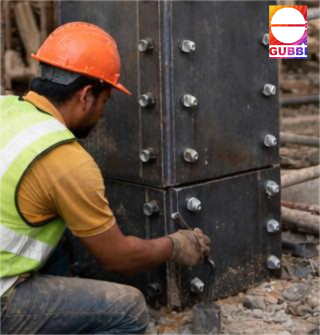
Buildings and industrial structures are designed to last for decades, but time, environmental exposure, increased loading, poor construction practices, and changing operational requirements can gradually reduce their strength. Instead of demolishing a damaged structure, property owners now prefer structural strengthening services to restore safety, improve durability, and extend the life of their assets. These solutions help buildings withstand higher loads while reducing repair costs and operational downtime.Today, structural rehabilitation has become an essential requirement for commercial buildings, factories, warehouses, residential societies, bridges, educational institutions, and industrial facilities. Engineers carefully evaluate the existing condition before selecting the right strengthening technique. Among the most effective methods, column jacketing, concrete jacketing, and steel jacketing are widely used because they significantly improve structural performance while preserving the existing building.
What Are Structural Strengthening Services?
Structural strengthening services involve specialized engineering techniques that restore, improve, or increase the load-carrying capacity of an existing structure. These services are recommended when buildings show signs of deterioration, experience increased operational loads, or require compliance with updated structural standards. Rather than replacing an entire structure, strengthening focuses on improving the performance of critical structural members.
These services are commonly required after earthquakes, water damage, corrosion, foundation settlement, fire exposure, or years of environmental deterioration. Every project begins with a detailed structural assessment to determine the actual condition of beams, slabs, columns, and foundations. Engineers then recommend suitable strengthening solutions based on structural calculations, material performance, and long-term durability requirements.
Why Buildings Require Structural Strengthening
Many people assume that visible cracks are the only indication of structural problems. In reality, several hidden issues can gradually weaken a building without showing immediate signs. Ignoring these problems often increases repair costs and creates serious safety concerns. Professional structural strengthening helps address the root cause before the damage becomes extensive.
Some common reasons include increased machinery loads, additional floors, design modifications, corrosion of reinforcement steel, poor construction quality, chemical exposure, vibration from heavy equipment, natural disasters, and aging concrete. Modern strengthening techniques restore structural capacity while allowing buildings to continue serving their intended purpose with improved reliability and performance.
Understanding Column Jacketing
Column jacketing is one of the most widely used strengthening methods for improving the load-bearing capacity of reinforced concrete columns. The process involves increasing the size and strength of existing columns by adding additional reinforcement and protective materials around them. This technique enhances both axial load capacity and overall structural stability.
Engineers generally recommend column jacketing when existing columns become insufficient due to increased loading, structural deterioration, or changes in building usage. Proper execution requires detailed structural calculations, surface preparation, reinforcement installation, bonding agents, and high-quality repair materials. When completed correctly, column jacketing significantly improves the performance and lifespan of the structural system.
Benefits of Column Jacketing
Column jacketing provides several engineering advantages beyond simply increasing structural strength. It improves ductility, enhances resistance against seismic forces, reduces the risk of structural failure, and restores damaged concrete sections. Because the original structural member remains in place, project costs are generally lower than complete replacement.
Another important advantage is minimal disruption to ongoing operations. Commercial buildings, factories, hospitals, and educational institutions often continue functioning while strengthening work progresses in carefully planned stages. This makes column jacketing a practical solution for organizations seeking structural upgrades without extended operational shutdowns.
What Is Concrete Jacketing?
Concrete jacketing involves adding a new reinforced concrete layer around an existing structural member to improve its strength, stiffness, and durability. Additional reinforcement bars are connected to the original member before fresh concrete is placed. The new concrete works together with the existing structure to carry higher loads safely.
This method is commonly used for deteriorated columns, beams, and structural walls where additional strength is required. Since the new concrete becomes an integral part of the existing member, it improves both compressive strength and structural stability. Concrete jacketing remains one of the most reliable strengthening methods for aging reinforced concrete structures.
Advantages of Concrete Jacketing
Concrete jacketing offers long-term durability while improving overall structural performance. It restores damaged concrete, protects reinforcement from further corrosion, increases cross-sectional area, and enhances fire resistance. The method also improves the building's ability to resist earthquakes by increasing ductility and energy absorption capacity.
Another major advantage is compatibility with existing reinforced concrete structures. Since similar construction materials are used, engineers can achieve excellent structural integration with proper surface preparation and quality workmanship. This makes concrete jacketing a preferred solution for infrastructure rehabilitation and building strengthening projects.
Understanding Steel Jacketing
Steel jacketing is another highly effective structural strengthening technique that involves enclosing an existing column or structural member with steel plates or steel sections. These steel components are securely connected around the member to increase its load-bearing capacity, confinement, and resistance to lateral forces.
Unlike concrete jacketing, steel jacketing offers faster installation because there is no curing period for concrete. This makes it especially suitable for industrial facilities where minimizing downtime is a priority. Proper welding, bolting, corrosion protection, and structural detailing are essential to ensure long-term performance and safety.
Benefits of Steel Jacketing
Steel jacketing significantly increases structural strength while adding minimal additional weight to the building. It improves ductility, enhances seismic performance, and provides immediate structural support after installation. Because steel has excellent tensile strength, it effectively resists dynamic loading and structural movement.
Industrial buildings often benefit from steel jacketing because installation can be completed within shorter project schedules. It also allows engineers to strengthen heavily loaded columns without substantially increasing member dimensions. Proper protective coatings help prevent corrosion and ensure long-lasting structural performance in demanding environments.
Choosing the Right Strengthening Method
Every structure has unique design characteristics, damage conditions, loading requirements, and operational constraints. Therefore, selecting the appropriate strengthening method requires careful engineering evaluation rather than a standard solution. Engineers analyze material properties, structural drawings, site conditions, and inspection findings before recommending any rehabilitation approach.
Some projects require concrete jacketing for durability, while others benefit more from steel jacketing due to space limitations or faster execution. In many cases, column jacketing forms part of a broader structural rehabilitation strategy that includes crack repair, foundation strengthening, waterproofing, corrosion protection, and load redistribution measures.
Industries That Commonly Need Structural Strengthening
Structural strengthening services are required across numerous industries where buildings experience heavy loading, environmental exposure, or aging infrastructure. Manufacturing plants, power stations, chemical industries, warehouses, commercial complexes, educational institutions, hospitals, airports, residential buildings, and government facilities frequently undergo structural rehabilitation.
Infrastructure assets such as bridges, parking structures, retaining walls, and water treatment facilities also require strengthening to maintain safety and operational efficiency. Regular structural evaluation allows owners to identify deterioration early and implement corrective measures before extensive damage develops.
The Importance of Professional Structural Assessment
Before beginning any strengthening project, engineers perform detailed structural assessments using visual inspections, non-destructive testing, material sampling, load analysis, and structural calculations. This investigation identifies the actual cause of deterioration instead of treating only visible symptoms.
Professional assessment prevents unnecessary repairs while ensuring the selected strengthening method addresses the underlying structural issues. Accurate engineering analysis improves project efficiency, reduces long-term maintenance costs, and increases confidence that the strengthened structure will continue performing safely under expected service conditions.
Common Signs That a Building May Need Strengthening
Many buildings display warning signs long before major structural failure occurs. Property owners should never ignore recurring cracks, concrete spalling, exposed reinforcement bars, excessive deflection, water leakage, corrosion stains, uneven settlement, or vibration during normal operation. These symptoms often indicate deeper structural concerns.
Early intervention helps avoid expensive emergency repairs and reduces safety risks for occupants. Scheduling professional inspections at regular intervals enables engineers to identify hidden deterioration and recommend practical strengthening solutions before structural damage becomes severe.
Long-Term Benefits of Structural Strengthening
Investing in structural strengthening offers significant long-term advantages beyond immediate repairs. It extends building service life, improves occupant safety, enhances structural reliability, supports future expansion, and increases overall asset value. Organizations also benefit from lower maintenance costs and reduced risk of unexpected structural failures.
Strengthened buildings are better prepared to withstand changing operational demands, environmental exposure, and natural hazards. Instead of replacing valuable infrastructure, owners can preserve existing assets through scientifically designed rehabilitation programs that deliver reliable performance for many years.
Expert Recommendation For Structural Strengthening Services
Choosing experienced structural engineers is essential because every strengthening project requires detailed analysis, proper design, quality materials, and skilled execution. A professional engineering team evaluates the structure comprehensively before recommending the most suitable rehabilitation approach. For organizations seeking reliable structural strengthening solutions, Gubbi Civil Engineers Limited provides engineering expertise focused on safe, durable, and technically sound rehabilitation methods tailored to project requirements. Structural deterioration should never be ignored because even minor damage can gradually affect the safety and performance of an entire building. Modern structural strengthening services provide practical solutions that restore strength, improve durability, and extend structural life without requiring complete demolition. Techniques such as column jacketing, concrete jacketing, and steel jacketing enable engineers to address different structural challenges with proven engineering methods. Whether the requirement involves industrial facilities, commercial buildings, residential complexes, or critical infrastructure, timely structural assessment and professional strengthening ensure long-term safety and reliable performance. Investing in the right rehabilitation strategy today protects valuable assets, reduces future repair costs, and helps buildings continue serving their purpose for decades to come.
 Greek
Greek
 English
 Arabic
 French
 Spanish
 Portuguese
 Deutsch
 Turkish
 Dutch
Dutch
 Italiano
 Russian
 Romaian
 Portuguese (Brazil)
