


 Pro Benefits
 Sobre
Sobre
 Termos
 Privacidade
 Child Safety & Protection
 Notificações
 Ayrush Global It Services Pvt Ltd
Metric vs. Inch Tapered Roller Bearings Understanding the Differences
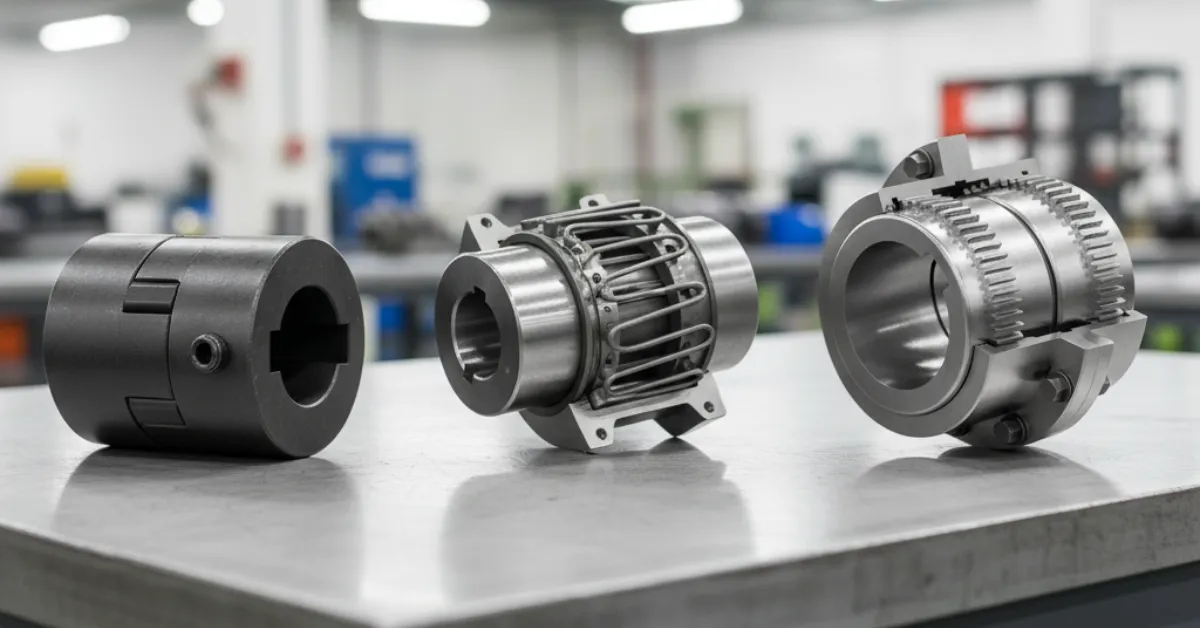
Tapered roller bearings play a pivotal role in most mechanical systems, especially those subjected to heavy loads and rotational shaft performance. They support both radial and axial loads, so are popular for use in wheel hubs, drive axles, gear boxes etc. Deciding on tapered roller bearings? An important point emerges: metric or inch, which dimension suits you best?
It is important to know the differences between metric and inch size tapered roller bearings for those in need of replacements when they can one or other based on specific application. The differences here extend beyond units of measure compatibility, availability, performance and global sourcing strategy are all impacted.
Standards for Measurement
The most noticeable difference between metric and inch tapered roller bearings is how they are measured:
-
Metric Bearings: Measured in millimetres and meet ISO standards. People in Europe, Asia, and other places that utilise the metric system use these bearings a lot.
-
Inch Bearings: These are measured in inches and usually follow ANSI/ABMA specifications.
This variation in how measurements are made changes how bearings are listed, ordered, and changed. Even though the diameters are near, a bearing with a 50 mm bore diameter will not fit with one with a 2-inch.
Regional Availability and Preferences
One system is usually better than the other in global markets:
-
In Europe, China, Japan, and India, metric bearings are the most common kind. In these areas, manufacturers build machines that use ISO-standard metric bearings.
-
Inch bearings are common in the United States, Canada, and several nations in Latin America. Many antique systems and equipment in these areas still use parts that are an inch long.
This geographical preference has an effect on supply networks. If you're looking for bearings for equipment made in other countries besides India, metric bearings will probably be what you find most of the time.
Problems with Interchangeability
Interchangeability is one of the hardest parts of working with metric and inch tapered roller bearings. Both kinds do the same job, although their sizes, tolerances, and names are quite different:
-
Standardised ISO codes are used by metric bearings to specify the bore diameter, outside diameter, breadth, and contact angle.
-
Inch bearings have a separate naming system. They frequently use prefixes like "K" or "AK" and component numbers that show dimensions in inches.
Trying to switch one kind for another without the right conversion and engineering analysis might cause parts to not fit, wear out too quickly, or even break down. For example, a Brazilian customer previously broke many gearboxes by utilising spherical roller bearings instead of the required tapered kind.
Handling Loads and Design
The basic construction of both metric and inch tapered roller bearing is the same: they include tapered rollers that fit between the inner and outer raceways? This shape lets them bear both radial and axial loads well.
However, there may be little changes in design:
-
Contact Angle: This usually varies from 25° to 30°, which affects how well the bearing can take axial stresses. This angle is the same for both metric and inch kinds, however it may change a little depending on the manufacturer and the use.
-
Load capacity: depends on the size of the rollers, the number of rollers, and the shape of the raceway. Both kinds can be made to hold a lot of weight, although metric bearings frequently work better because of improved design standards and manufacturing methods.
Paired tapered roller bearings are often used in wheel hubs in cars to handle both vertical loads and cornering forces. In these cases, they are better than spherical or cylindrical alternatives because their load path is so accurate.
Taking care of and replacing
When maintenance personnel change bearings, they need to be careful:
-
Metric bearings are easier to find across the world, particularly in places that follow ISO standards.
-
Inch Bearings: If you utilise them, you may need to find unique vendors or place bespoke orders.
Using a bearing with a slightly altered contact angle or roller profile when replacing it incorrectly may cause misalignment, more friction, and a shorter lifetime. To minimise expensive mistakes, maintenance records should explicitly show the type and size of the bearings.
Things to consider when sourcing and cost
Regional manufacturing patterns affect cost and availability:
-
Metric Bearings: Because they are made in large quantities and at a lower cost, they are often cheaper in many countries.
-
Inch Bearings: They could cost more in places where they aren't as widespread since there aren't as many suppliers and demand is lower.
When procurement of bearings takes place, consumers must know shipping costs, lead times, and compatibility. For instance, an Indian company that buys inch bearings for American export equipment may have to wait longer and pay more for them.
Common Mistakes
Even though they have benefits, tapered roller bearings (both metric and inch) may be utilised incorrectly:
-
Over-specification: Using tapered bearings when deep groove ball bearings will work just as well costs more than it has to.
-
Under-specification: If you choose bearings that can't handle enough axial stress, they can break down too soon.
-
Misalignment: Tapered rollers cannot manage misalignment similar like spherical bearings do. It's certainly essential to connect things fittingly.
Knowing the limits of each kind might help you prevent problems with maintenance and operations.
Choosing the Right Thing
Think about the following when choosing between metric and inch tapered roller bearings:
-
Source of Equipment: Make sure the kind of bearing matches the original design specs.
-
Regional Supply Chain: Pick bearings that are easy to get in your area.
-
Application Requirements: Look at the load, speed, and environmental considerations.
-
Interchangeability: Don't make substitutes until an engineering study shows they are safe.
-
Cost and Lead Time: Find a balance between your performance demands and your budget and delivery deadlines.
Last Thoughts
Tapered roller bearings, whether metric or inch, perform the same task except for measurements , dimensions and integration. Before choosing the right kind, think hardabout where they will be used and how you plan to get it while creating a magical ambiance.
In a globalised production world, knowing these little differences might help you save time, money, and avoid mechanical problems. Knowing the difference between metric and inch tapered roller bearings is a little but important feature that may make a huge difference whether you're making new machines or fixing old ones.

 English
 Arabic
 French
 Spanish
 Deutsch
 Turkish
 Dutch
Dutch
 Italiano
 Russian
 Romaian
 Portuguese (Brazil)
 Greek
Greek
