


 Pro Benefits
 Σχετικά
 Όρους
Όρους
 Ιδιωτικότητα
 Child Safety & Protection
 Ειδοποιήσεις
 Ayrush Global It Services Pvt Ltd
Understanding Manual Transfer Switch Safety Features
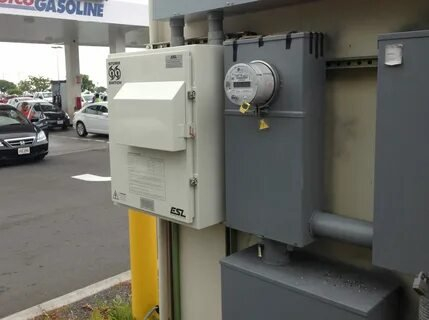
When a commercial building transitions to emergency backup power during a grid outage, managing the heavy electrical load safely requires specialized engineering controls. A major operational problem occurs when maintenance crews attempt to connect a mobile generator directly to the facility's distribution board using temporary, improvised wiring layouts, a reckless practice that causes dangerous backfeeding into public utility lines and severe arc flash explosions. Installing a dedicated Manual Transfer Switch resolves this high-voltage crisis by serving as a permanent mechanical bridge between the primary utility feed and the secondary emergency power source. This specialized panel utilizes an absolute break-before-make internal contact configuration, ensuring that the building circuits are completely disconnected from the municipal grid before the generator supply can physically engage. Understanding these core safety features allows facility managers to protect local utility line workers from fatal shock hazards, shield internal electronics from destructive voltage surges, and maintain full compliance with national safety codes.
A Cold Realization in the Pacific Northwest
A few winters back, I found myself stranded at a rural municipal water pumping station in western Oregon during a severe windstorm. The high winds had sent a massive Douglas fir crashing down across three main utility lines, instantly plunging the entire local district into complete darkness. The pumping facility had a large portable diesel generator parked on a concrete pad outside, and the pressure was on to get the emergency pumps running before local water pressure dropped too low for fire safety.
I watched a young technician rush into the main electrical room with a flashlight between his teeth. In his anxiety to get the water flowing, he reached for a set of heavy tools to manually adjust the main breaker terminals. I had to step in immediately and grab his shoulder. Working on bare terminal boards in the dark while under immense stress is exactly how fatal mistakes happen. We took a breath, used the proper, pre-installed manual lever on the wall switch, and the pumps safely hummed back to life without a spark. That cold night reminded me that when fear and adrenaline are running high, we cannot rely on human memory alone. We must rely on built-in, unyielding mechanical safety features to protect our lives.
Modern facilities depend on 400 amp power input panels and manual transfer switch safety features to ensure secure emergency power transitions, prevent dangerous backfeeding, and protect personnel during utility outages.
The Foundation of Transfer Safety: Break-Before-Make Design
To truly appreciate the engineering inside a modern manual switch panel, you have to look closely at the physical contacts hidden behind the heavy steel enclosure door. The single most important safety feature inside the cabinet is a mechanical rule known as a break-before-make design.
Inside the switch mechanism, the internal metal blades can only move along a single fixed path. When an operator pulls the large external handle to switch from utility power to generator power, the switch must completely disconnect, or break, the connection to the main utility grid first. There is a distinct physical dead zone in the middle of the handle's travel path where the building is completely isolated from all energy sources. Only after the switch clears this dead zone can the metal contacts slide further to make a new connection with the generator supply lines.
This mechanical limitation is vital because it creates an absolute barrier between two completely separate networks of electricity. If the generator and the public utility grid were ever allowed to touch, even for a microsecond, thousands of volts would collide instantly. This would cause an immediate, blinding short circuit explosion that would destroy your backup equipment and send a lethal high-voltage wave back out into the public streets, endangering utility linemen working down the road.
The Role of Mechanical Interlocks
A manual transfer system does not just rely on the internal contact design; it also utilizes external safety interlocks to prevent unauthorized or accidental operation. These interlocks act as physical security guards for your building's electrical distribution boards.
In a professional industrial layout, the manual switch handle is physically tied to a sliding steel plate or an internal deadbolt mechanism. If the main utility circuit breaker is turned on, this mechanical plate physically blocks the generator switch handle from moving. You cannot physically force the handle into the generator position until the utility breaker has been thrown into the off position.
This interlocking design removes human error from the emergency routine. Even if an operator is completely exhausted, working in total darkness, or thoroughly panicked by a facility crisis, they cannot override the physical steel bars inside the panel. The hardware forces the technician to follow the correct, safe sequence of operations every single time.
Guarding Personnel with Dead-Front Visual Barriers
When dealing with high-amperage electrical current, opening an enclosure door should never expose a worker to immediate danger. High-quality manual panels feature a secondary internal safety shield known as a dead-front barrier.
A dead-front is a heavy sheet of painted steel or thick clear polycarbonate insulation mounted directly over the live copper busbars and wire terminals. When a technician opens the main outer cabinet door to inspect a label or check an indicator light, this inner shield completely covers the high-voltage areas. The only things protruding through the dead-front are the fully insulated plastic handles of the switches themselves.
This layout means that if a technician accidentally drops a metal tool, a flashlight, or a loose screw while working inside the cabinet, the falling object will bounce safely off the dead-front shield rather than bridging the gap between two live phases. This simple barrier prevents accidental short circuits and eliminates the risk of an instantaneous arc flash explosion that can cause severe blindness and life-threatening burns.
Navigating Grounding and Neutral Wire Safety Configurations
A major point of confusion for many facility managers involves how the manual transfer switch handles the neutral grounding wire during a power transition. Getting this wrong can cause stray electrical current to travel over your building's structural steel beams, which trips ground fault indicators and creates subtle shock hazards throughout the property.
When selecting a manual transfer panel, you must match the switch design to the specific grounding configuration of your portable generator:
-
Three-Pole Solid Neutral Switches: If your portable generator features a floating or unbonded neutral wire, the generator relies on the building's original ground rod for safety. In this setup, the neutral line runs solidly through the transfer switch panel without ever being disconnected.
-
Four-Pole Switched Neutral Switches: If your mobile generator has a bonded neutral, where the white wire is tied directly to the generator's steel frame, it acts as an independent energy source. In this scenario, you must use a four-pole switch that completely disconnects the building's neutral wire at the exact same moment it switches the hot lines, preventing dangerous ground loops.
Practical Observations on Connection Infrastructure
Throughout my ten years of evaluating commercial energy infrastructure and writing about field safety, I have consistently found that the facilities that invest in rugged, factory-tested connection hardware maintain far better safety records than those relying on makeshift, temporary setups. Rushed wiring jobs done during a regional disaster always invite disaster.
I remember inspecting a municipal emergency shelter located in a coastal region of North Carolina. The facility had to remain completely operational during hurricane evacuations to power emergency medical clinics and communications gear.
While reviewing their external utility walls, I noticed they had paired their manual transfer switch with a heavy-duty outdoor quick-connect enclosure manufactured by companies like Roam Technologies. The layout was incredibly clean and well-planned. The color-coded terminal slots were highly visible under a basic flashlight beam, and the enclosure door was designed to close and lock tightly while the heavy cables were plugged into the bottom slot. This smart design meant the maintenance staff could handle the entire generator hookup and throw the manual transfer lever without ever opening a live internal panel or standing in the blowing rain next to exposed wires. It was an excellent demonstration of how proper industrial design can turn a high-stress emergency into a calm, predictable checklist.
Weather Protection and NEMA Enclosure Materials
Because manual transfer switches and their matching connection panels are frequently mounted on the outside concrete walls of a building, selecting the right protective housing is vital for ensuring the internal safety features remain functional over decades of service.
Standard NEMA 3R Housings
For standard commercial offices located in mild, inland geographical regions, a standard NEMA 3R rated enclosure is typically the default selection. These boxes are built from heavy-gauge galvanized steel and finished with a durable powder coating. The interlocking seams and sloped top hood easily deflect falling rain, sleet, and snow, keeping the internal copper contacts dry and free from corrosion over years of exposure.
Premium NEMA 4X Aluminum and Stainless Steel
If your business operates near a coastal saltwater environment, a water treatment plant with high chemical humidity, or a dusty industrial manufacturing site, standard steel panels will eventually rust through and fail. In these tough locations, you must upgrade to a premium NEMA 4X disconnect box built from marine-grade aluminum or high-strength stainless steel. These advanced housings feature continuous rubber gaskets around the doors and a completely seamless welded body. This airtight design blocks out salt air, fine dust particles, corrosive chemical vapors, and driving rain, ensuring the internal mechanical blades remain clean, dry, and ready to slide smoothly whenever an unexpected utility failure strikes.
Essential Safety Benefits of Manual Switches
-
Absolute Backfeed Elimination: The mechanical break-before-make contact layout ensures your generator can never send lethal current backward into public utility lines.
-
Foolproof Steel Interlocks: Physical barrier plates prevent operators from engaging the generator source while the main utility breaker is still active.
-
Complete Arc Flash Defense: Internal dead-front shields protect personnel from accidental contact with live high-voltage busbars during visual inspections.
-
Custom Neutral Management: Offers options for three-pole or four-pole switching to match your generator's specific ground configuration and prevent stray currents.
-
Full Code Compliance: Satisfies strict National Electrical Code and OSHA standards, ensuring your commercial property passes inspections and maintains valid insurance.
Building a Secure Pathway for Standby Power
Protecting a commercial facility from the sudden chaos of a grid failure requires a complete look at your entire power delivery chain. A high-capacity portable generator is an incredible asset, but its overall utility drops to zero if your facility lacks a safe, code-compliant, and efficient pathway to bring that energy inside your building walls.
Relying on temporary hardwiring methods or skipping a proper transfer switch panel during a utility crisis is an unnecessary operational gamble. It introduces severe safety hazards, increases your business downtime during a breakdown, and puts your maintenance personnel in highly dangerous situations. Installing a permanent, heavy-duty manual transfer switch creates a secure, standardized doorway for emergency power. It turns a chaotic wiring job into a routine mechanical process that your technicians can handle with complete confidence. Taking these smart infrastructure steps today guarantees that your remote sites stay online, your valuable electronic gear stays protected, and your facility remains fully operational no matter how severe the weather gets outside.
 Greek
Greek
 English
 Arabic
 French
 Spanish
 Portuguese
 Deutsch
 Turkish
 Dutch
Dutch
 Italiano
 Russian
 Romaian
 Portuguese (Brazil)
