


 Pro Benefits
 О нас
О нас
 Условия использования
 Конфиденциальность
 Child Safety & Protection
 Оповещения
 Ayrush Global It Services Pvt Ltd
Flow Drill: Machine Suitability & Minimum Power for Friction Drilling
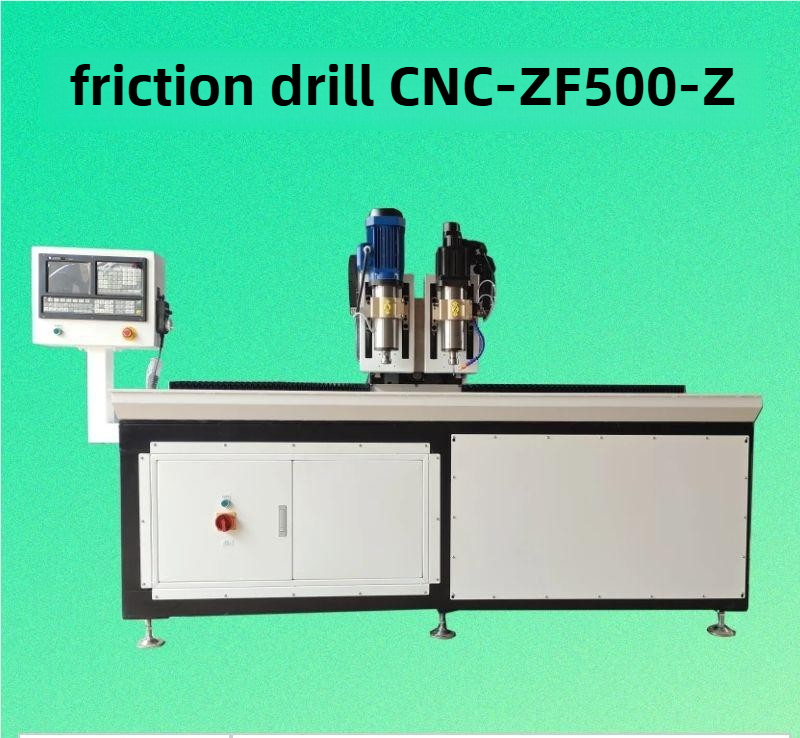
Friction drilling, also known as flow drilling, is revolutionizing the way industries create strong, threaded holes in thin-walled materials. Unlike traditional drilling, which removes material, friction drilling uses heat and pressure to form a bushing, increasing the contact area for stronger threads and load-bearing capacity.
But to achieve the best results, it’s critical to understand machine suitability and the minimum power requirements for friction drilling.
Why Machine Suitability Matters
Not every drill press or CNC machine is designed to handle the unique forces of flow drilling. Choosing the right equipment ensures longer tool life, cleaner bushings, and safer operations.
Key considerations include:
- Rigidity: Machines must withstand the axial thrust without vibration.
- Spindle Speed: Flow drills typically require 1,500 – 3,500 RPM, depending on material and thickness.
- Tool Holding: A stable collet or chuck is essential to prevent tool slippage.
If your machine lacks rigidity or torque, tool wear increases, and hole quality suffers.
Minimum Power Requirements
The minimum power needed depends on material type and thickness. For example:
- Mild Steel (up to 3mm): ~1.5 – 2.2 kW
- Aluminum (up to 6mm): ~1.1 – 1.5 kW
- Stainless Steel (up to 2.5mm): ~2.2 – 3.0 kW
Rule of Thumb: Around 2 kW spindle power is sufficient for most applications, but heavy-duty or harder materials require more torque.
Best Machine Types for Flow Drilling
- CNC Vertical Machining Centers (VMCs): Ideal for high-volume precision work.
- Rigid Drill Presses: Cost-effective for low-volume or manual setups.
- Automated CNC Lines: Suitable for automotive, aerospace, and structural fabrication where repeatability matters.
Pro Tips for Efficient Friction Drilling
Always use the right flow drill tool coating (carbide or TiN) for material hardness.
Maintain coolant or lubrication to reduce tool wear.
Match spindle speed + feed rate for optimal heat generation.
Regularly inspect machine bearings and spindles for wear.
Why This Matters for Industry?
From automotive frames to HVAC tubing, friction drilling is widely used because it:
- Eliminates the need for welded nuts or inserts.
- Reduces material waste.
- Strengthens load-bearing capacity.
- Cuts production time.
This makes it a sustainable and cost-effective choice for modern manufacturing.
Final Thoughts
Investing in the right machine suitability and ensuring minimum power for friction drilling not only extends tool life but also delivers consistent, high-quality results.
As industries move toward stronger, lighter, and more sustainable designs, flow drilling is quickly becoming a go-to solution.
If you’re considering adopting flow drilling, start by evaluating your machine’s rigidity, spindle power, and speed capabilities.
 Russian
 English
 Arabic
 French
 Spanish
 Portuguese
 Deutsch
 Turkish
 Dutch
Dutch
 Italiano
 Romaian
 Portuguese (Brazil)
 Greek
Greek
