


 Pro Benefits
 About
About
 Koşullar
 Gizlilik
 Child Safety & Protection
 Bildirimler
 Ayrush Global It Services Pvt Ltd
The Role of Digital Smile Design in Achieving Perfect Crowns and Veneers
Introduction
In the world of cosmetic and restorative dentistry, precision and aesthetics are non-negotiable. Whether you're placing a single crown or planning a full set of veneers, even the smallest error can affect both function and appearance. That’s why more dental professionals are turning to Digital Smile Design (DSD) — a revolutionary technology that has redefined how we approach the planning and execution of crowns and veneers.
Digital Smile Design offers unparalleled accuracy, aesthetic customization, and patient communication tools that ensure the final result is exactly what both the dentist and patient envision. In this blog, we’ll explore the critical role DSD plays in creating perfect crowns and veneers — from planning and lab collaboration to final delivery.
What is Digital Smile Design?
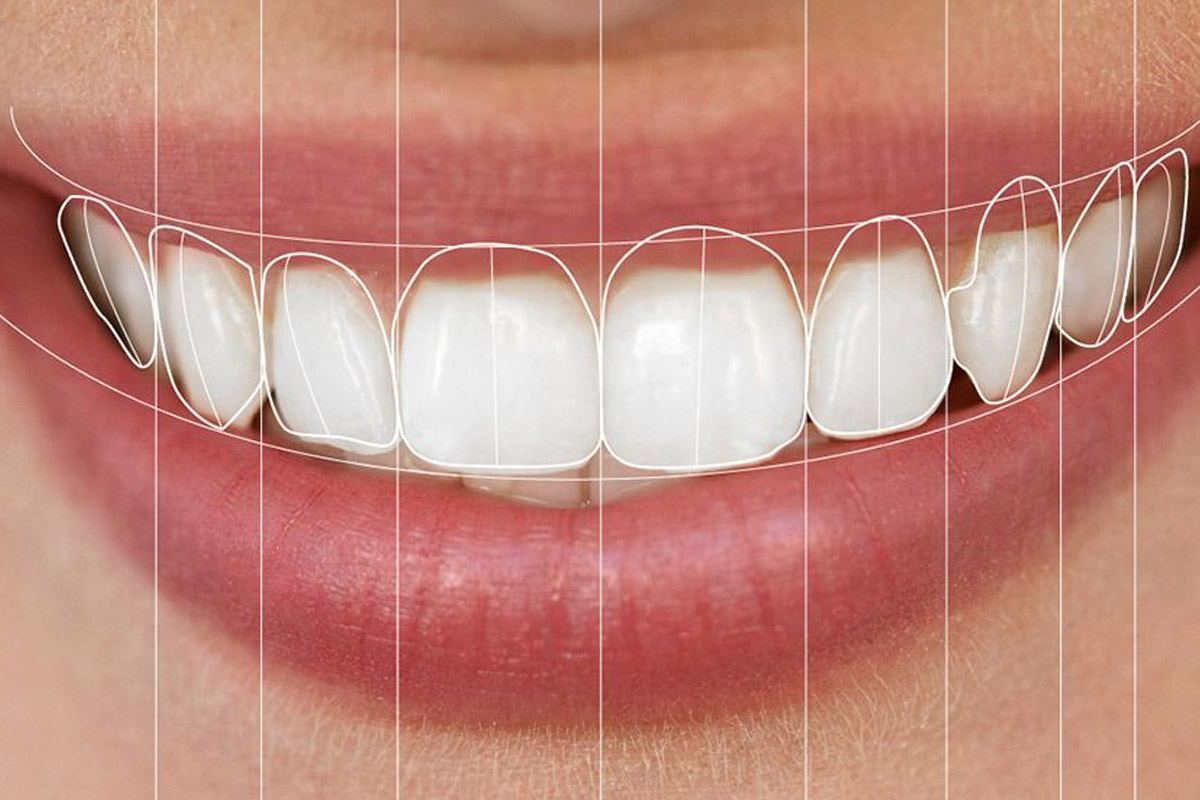
Digital Smile Design is a comprehensive digital workflow that uses high-resolution images, facial analysis, intraoral scans, and advanced design software to simulate and plan a patient’s ideal smile. By digitally mapping the relationship between teeth, lips, gums, and facial features, dentists can design restorations that are functionally sound and aesthetically harmonious.
In the case of crowns and veneers, DSD provides a clear visual plan before any preparation or treatment begins, improving precision and patient satisfaction.
Why Crowns and Veneers Need DSD
1. Aesthetic Harmony with Facial Features
Crowns and veneers are not just about fixing broken or discolored teeth — they’re about enhancing the smile in a way that complements the patient's face. Traditional methods rely on manual impressions and 2D analysis, which can overlook important facial dynamics.
DSD incorporates full-face analysis, including lip movement, smile line, symmetry, and facial proportions. This allows the dentist to design veneers and crowns that align perfectly with the patient’s natural expressions and facial harmony.
2. Predictable and Consistent Results
In restorative dentistry, predictability is key. Dentists and patients both want to know that the end result will match expectations. Digital Smile Design allows for detailed simulation and previewing of crowns and veneers, providing:
-
Realistic before-and-after simulations
-
Accurate tooth proportion and spacing
-
Proper alignment and occlusion modeling
This high level of predictability helps avoid costly remakes and ensures patient satisfaction from the start.
The Step-by-Step Role of DSD in Crown and Veneer Cases
Step 1: Digital Diagnostics and Smile Analysis
Using digital photography, intraoral scanning, and (in many cases) facial video, DSD begins with a comprehensive diagnostic stage. This data is then analyzed to identify issues in alignment, spacing, color, and symmetry.
Step 2: Smile Design Planning
The dentist uses DSD software to simulate the ideal smile — adjusting tooth shape, position, and color while considering lip dynamics and facial structure. This design plan forms the blueprint for your crowns or veneers.
Step 3: Patient Visualization and Approval
DSD provides a major advantage by allowing patients to see their future smile before committing to treatment. They can provide feedback and approve the design, which builds trust and increases case acceptance.
Step 4: Lab Collaboration and Fabrication
Once the design is finalized, digital files are sent to the dental lab. With precise measurements, 3D models, and visual guides, technicians can fabricate crowns and veneers that match the exact plan — no guesswork required.
At Restorative Solution Dental Lab, we utilize DSD files to craft restorations with unmatched precision, ensuring they align with the dentist’s vision and patient’s expectations.
Step 5: Trial, Adjustments, and Delivery
Thanks to DSD’s accuracy, most crowns and veneers fit perfectly during the initial try-in. Minor refinements can be made quickly, and the final placement is typically smooth and successful.
Benefits of Using Digital Smile Design for Crowns and Veneers
1. Fewer Adjustments and Chair Time
With DSD, restorations are custom-fit to the patient’s digital anatomy, reducing the need for multiple appointments or last-minute adjustments.
2. Higher Case Acceptance
When patients can see their potential results before treatment begins, they’re far more likely to say yes. This visual preview builds confidence and minimizes surprises.
3. Personalized Smile Makeovers
DSD allows for total customization. Whether a patient wants subtle improvements or a dramatic change, you can tailor crowns and veneers to match their vision perfectly.
4. Stronger Lab-Dentist Partnership
With detailed design files, labs like ours can fabricate precisely what the dentist intends, resulting in restorations that require minimal or no chairside modification.
Real-World Example: A Case Study
Let’s say a patient presents with worn, discolored front teeth and is interested in a smile makeover. With traditional methods, you might take impressions and send vague instructions to the lab — but what the patient envisions may differ drastically from what’s delivered.
With Digital Smile Design, you start with facial and intraoral scans, simulate the desired outcome, and let the patient visualize their future smile. Once approved, the digital design is sent to the lab. When the custom veneers return, they match the plan exactly — saving time, boosting patient confidence, and delivering results that exceed expectations.
How Restorative Solution Dental Lab Supports DSD Workflows
At Restorative Solution Dental Lab, we specialize in working with DSD-enabled practices. Our technicians are trained in interpreting DSD files and working within digital workflows to ensure perfect fabrication of crowns and veneers. We prioritize:
-
Open communication with your clinical team
-
Precision milling and aesthetic layering techniques
-
Fast turnaround with minimal adjustments
Whether you’re new to DSD or looking to optimize your digital restorative workflow, we’re here to support your success every step of the way.
Conclusion
Digital Smile Design has become a cornerstone of modern aesthetic and restorative dentistry. For crowns and veneers in particular, it ensures a perfect balance of form, function, and facial harmony.
From initial diagnostics to final delivery, DSD provides a clear, accurate, and collaborative process that benefits dentists, labs, and — most importantly — patients. It eliminates guesswork, improves case outcomes, and creates truly transformative smile restorations.
If you’re ready to elevate your crown and veneer cases with the power of Digital Smile Design, partner with Restorative Solution Dental Lab and see the difference digital precision can make.

 English
 Arabic
 French
 Spanish
 Portuguese
 Deutsch
 Dutch
Dutch
 Italiano
 Russian
 Romaian
 Portuguese (Brazil)
 Greek
Greek
