


 Pro Benefits

 الشروط
 الخصوصية
 Child Safety & Protection
 الإشعارات
 Ayrush Global It Services Pvt Ltd
Best Practices for Using a Moisture Meter
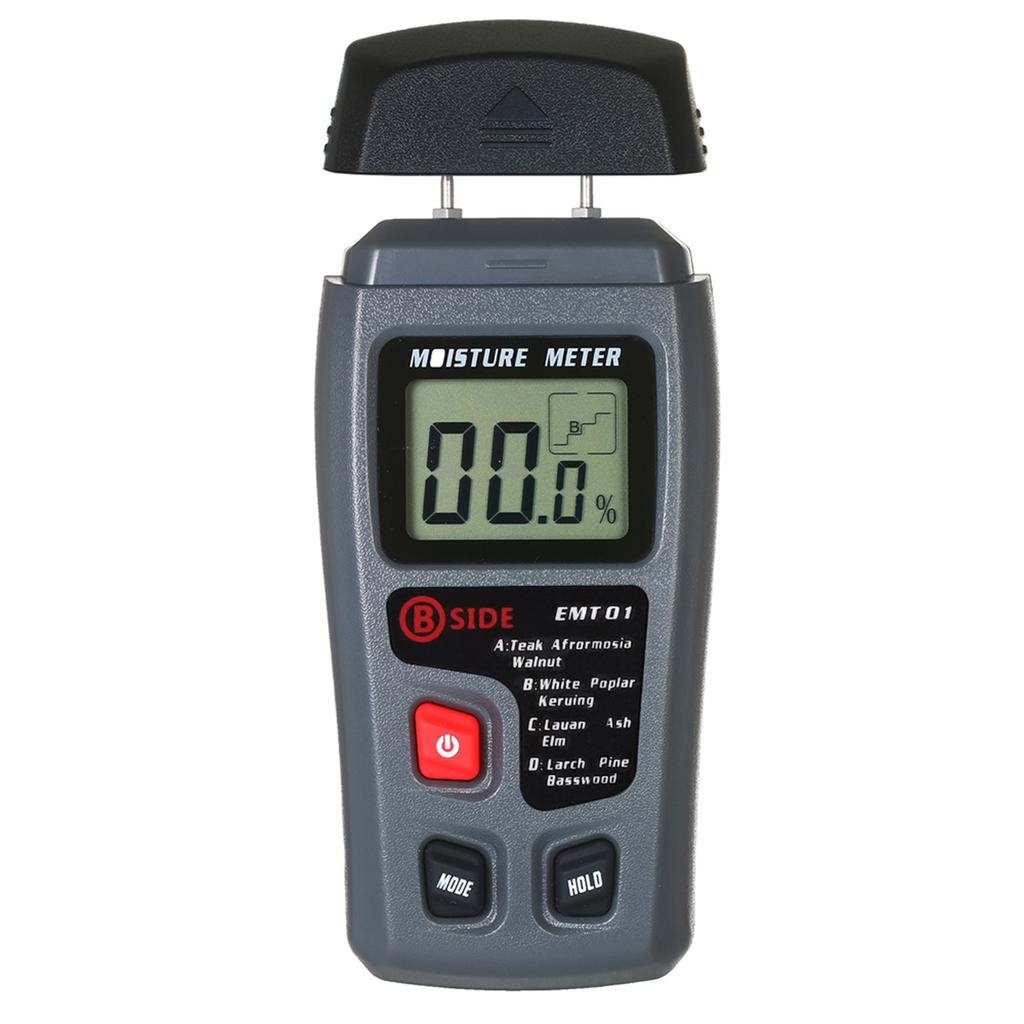
A moisture meter is an essential tool for anyone working with wood, soil, building materials, or even in home maintenance. Whether you are a professional contractor, a woodworker, a farmer, or a homeowner concerned about dampness, understanding how to use a moisture meter correctly can save time, prevent damage, and improve results.
While these devices may seem straightforward, improper use can lead to inaccurate readings, costly mistakes, or misdiagnosed problems. This article will explore the best practices for using a meter effectively, covering types of meters, preparation, usage techniques, and interpretation of results.
Understanding Moisture Meters
Before diving into best practices, it’s important to understand the types of meters and how they function. Generally, moisture meters fall into two main categories: pin-type meters and pinless meters.
Pin-type meters work by inserting two pins into the material being tested. The device measures electrical resistance between the pins; water conducts electricity, so higher moisture content results in lower resistance. This type provides very accurate spot readings but can leave small holes in the material.
Pinless meters, on the other hand, use electromagnetic signals to detect moisture within a material without penetrating it. They are non-destructive and are excellent for scanning larger surfaces. However, their readings can be influenced by surface conditions or material density.
Knowing the type of meter you have and its limitations is the first step toward obtaining accurate measurements.
Preparing for Measurement
Proper preparation is crucial to getting reliable readings. Here are the key steps:
Calibrate the Meter: Many moisture require calibration before use, especially pinless meters. Follow the manufacturer’s instructions to ensure the device is set correctly for the material you are testing. Some meters have preset settings for common materials such as hardwood, softwood, or drywall.
Check the Environment: Temperature and ambient humidity can affect moisture readings. If possible, measure under conditions similar to the typical environment for the material. For example, wood stored in a damp basement may read differently than wood in a climate-controlled workshop.
Clean the Surface: Dirt, paint, or coatings can interfere with readings. Ensure that the surface is clean and dry (unless you are testing beneath a coating) to allow accurate penetration of pins or signals.
Choose the Right Spot: For uniform materials, take multiple measurements in different areas. Avoid edges, knots, or areas with obvious surface imperfections, as these can give misleading results.
Using the Meter Correctly
Once the meter and material are prepared, proper usage is the next step. Here are best practices for both pin and pinless meters:
For Pin Meters:
Insert Pins Correctly: Push the pins straight into the material, ensuring full contact with the wood or substance being tested. Uneven insertion can lead to inaccurate readings.
Measure at Multiple Depths: Moisture content may vary at different depths, especially in thick wood or building materials. Take readings at various points to get a comprehensive understanding.
Avoid Structural Damage: While pin meters leave tiny holes, try to use areas that won’t be seen or will be finished later.
For Pinless Meters:
Maintain Proper Contact: Keep the sensor plate flat against the surface for a consistent reading. Any gap or uneven placement can cause errors.
Scan Gradually: Move the meter slowly across the surface to detect variations in moisture content. Quick movements may miss critical moisture pockets.
Account for Material Density: Denser areas may give slightly different readings. Cross-reference with pin readings if accuracy is critical.
Interpreting Moisture Readings
A key aspect of using a meter is knowing what the readings mean. Moisture content is usually measured as a percentage of the material’s total weight. Understanding normal ranges is essential:
Wood: Typically, wood used indoors should have a moisture content between 6% and 12%. Outdoor wood can safely be higher, around 12%-20%. Exceeding these levels can lead to warping, cracking, or mold growth.
Drywall and Building Materials: Most drywall materials should remain below 1% moisture content. Higher readings indicate potential leaks or water damage.
Soil: For gardening or agriculture, soil moisture levels vary depending on crop requirements. Using the meter to avoid overwatering or underwatering can improve plant health.
Take multiple readings across different areas to identify trends rather than relying on a single measurement. This approach reduces the likelihood of missing hidden moisture issues.
Maintaining Your Moisture Meter
To ensure long-term accuracy, it’s important to maintain your meter properly:
Clean the Device: Wipe the pins or sensor plate after each use to prevent build-up of dirt or corrosion.
Store Properly: Keep the meter in a dry environment, away from extreme heat or cold. Batteries should be removed if storing for extended periods.
Regular Calibration: Even if the meter seems accurate, regular calibration checks prevent drift over time, especially with frequent use.
Inspect for Damage: Bent pins or scratched sensor plates can compromise readings. Replace or repair damaged components promptly.
Common Mistakes to Avoid
Even experienced users can make errors. Some of the most common mistakes include:
Relying on a Single Reading: Moisture varies naturally across materials. Multiple measurements give a more reliable picture.
Ignoring Temperature Effects: Cold or hot surfaces can affect readings, especially for pinless meters. Allow materials to acclimate when possible.
Testing Coated or Painted Surfaces Without Adjustment: Paint, varnish, or finishes can interfere with readings. Use manufacturer-recommended settings or remove coatings when necessary.
Misreading the Meter: Some meters display relative percentages rather than absolute moisture content. Understand what your meter is showing before making decisions.
Advanced Tips for Professionals
For professionals handling high-value materials or performing detailed inspections:
Combine Methods: Using both pin and pinless meters can provide a comprehensive understanding, verifying results.
Map Moisture Levels: In large areas, take multiple readings and create a moisture map. This approach is particularly useful in construction or restoration projects.
Monitor Trends: Repeated measurements over time can help identify drying or moisture accumulation patterns, preventing long-term damage.
Conclusion
Using a moisture meter correctly is more than just pressing a button and reading a number. It involves understanding the type of meter, preparing the material, using proper techniques, interpreting results, and maintaining the device.
By following best practices, you can ensure accurate measurements, prevent costly mistakes, and protect the integrity of wood, building materials, soil, and more. Whether you are a hobbyist woodworker, a contractor, or a concerned homeowner, investing time in learning how to use your meter effectively pays off in both precision and peace of mind.
 Arabic
 English
 French
 Spanish
 Portuguese
 Deutsch
 Turkish
 Dutch
Dutch
 Italiano
 Russian
 Romaian
 Portuguese (Brazil)
 Greek
Greek
