Achieving a smooth and long-lasting wall finish requires more than just applying a fresh coat of paint. The process involves proper preparation, the right materials, and a clear understanding of how each layer contributes to the final result. Whether you're updating a single room or repainting an entire home, following the correct steps makes a significant difference.
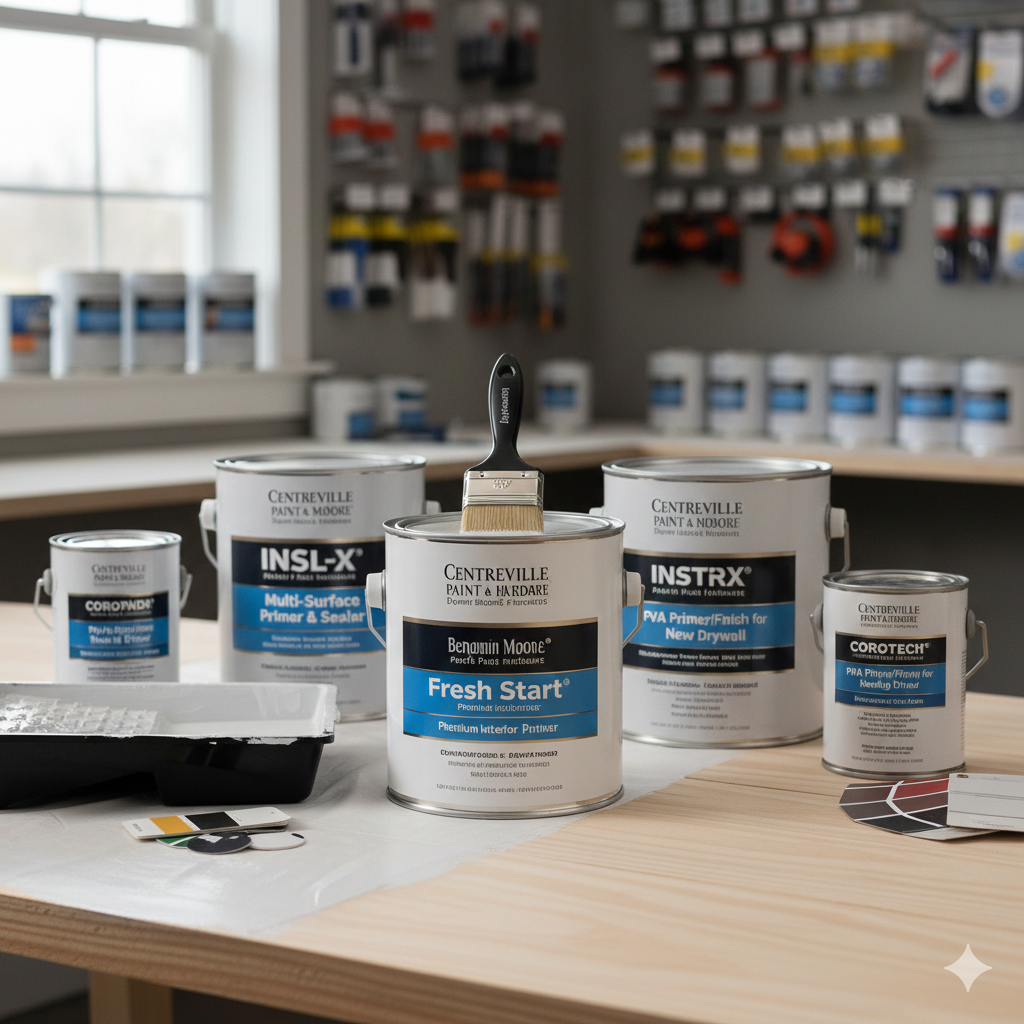
Using the right combination of Paint and Primer is essential for creating a durable and visually appealing surface. While paint adds color and style, primer prepares the wall, ensuring better adhesion and even coverage. Together, they form the foundation of a high-quality finish that lasts for years.
What is Primer and Why It Matters
Primer is a preparatory coating applied before paint. Its primary role is to create a smooth and uniform surface that allows paint to adhere properly.
Benefits of using primer include:
- Improved paint adhesion
- Better coverage, especially over dark colors
- Sealing porous surfaces
- Enhanced durability of the final coat
Skipping primer can lead to uneven finishes and the need for multiple paint coats.
Understanding Different Types of Paint
Paint comes in various types, each designed for specific purposes and environments. Choosing the right type ensures both functionality and aesthetics.
- Latex Paint: Water-based and easy to clean, ideal for interior walls
- Oil-Based Paint: Durable and suitable for high-traffic areas
- Enamel Paint: Provides a hard, glossy finish for surfaces like doors and trim
Selecting the appropriate paint type helps achieve the desired look and performance.
How Paint and Primer Work Together
Primer and paint serve different but complementary roles. Primer prepares the surface, while paint provides the final color and protection.
When used together:
- Primer ensures even absorption of paint
- Paint delivers consistent color and finish
- The overall coating becomes more durable
This combination results in a professional-quality outcome.
Preparing Surfaces Before Application
Preparation is a critical step in any painting project. Properly prepared surfaces allow both primer and paint to perform effectively.
Steps to follow:
- Clean walls to remove dust and grease
- Repair cracks and holes
- Sand rough areas for a smooth base
- Ensure the surface is dry before applying primer
Good preparation leads to better adhesion and a flawless finish.
Choosing the Right Finish
Paint finishes affect both the appearance and durability of walls. Selecting the right finish depends on the room and its usage.
- Matte Finish: Ideal for low-traffic areas
- Eggshell Finish: Offers a slight sheen and moderate durability
- Satin Finish: Suitable for high-traffic spaces
- Gloss Finish: Best for trim and surfaces requiring durability
Matching the finish to the room ensures both practicality and style.
Application Techniques for Best Results
Applying paint and primer correctly is essential for achieving a smooth and even finish. The right technique can make a noticeable difference.
- Use high-quality brushes and rollers
- Apply thin, even coats
- Allow proper drying time between layers
- Follow recommended instructions for each product
Careful application ensures a professional look.
Common Mistakes to Avoid
Many painting issues arise from avoidable mistakes. Being aware of these can help improve results.
- Skipping primer when needed
- Applying thick coats of paint
- Ignoring drying times
- Not preparing the surface properly
Avoiding these mistakes leads to a more polished and durable finish.
Benefits of Using Quality Products
High-quality paint and primer provide better coverage, durability, and overall performance. They reduce the need for multiple coats and deliver a smoother finish.
Advantages include:
- Long-lasting results
- Improved resistance to stains and wear
- Better color consistency
- Reduced maintenance
Investing in quality products saves time and effort in the long run.
Maintenance of Painted Surfaces
Maintaining painted surfaces helps preserve their appearance and extend their lifespan. Regular care keeps walls looking fresh and clean.
Maintenance tips include:
- Cleaning surfaces gently
- Addressing stains quickly
- Performing occasional touch-ups
Proper maintenance ensures your walls remain in excellent condition.
Final Thoughts
A successful painting project depends on the right materials, preparation, and techniques. By understanding the role of each component, you can achieve a finish that is both beautiful and long-lasting.
Using the right Paint and Primer combination ensures better adhesion, durability, and visual appeal. With proper planning and execution, you can transform any space into a clean, polished, and inviting environment.



 Pro Benefits
 About
About
 Koşullar
 Gizlilik
 Child Safety & Protection
 Bildirimler
 Ayrush Global It Services Pvt Ltd
 Turkish

 English
 Arabic
 French
 Spanish
 Portuguese
 Deutsch
 Dutch
Dutch
 Italiano
 Russian
 Romaian
 Portuguese (Brazil)
 Greek
Greek