


 Pro Benefits
 About
About
 Terms
Terms
 Privacy
 Child Safety & Protection
 Notifications
 Ayrush Global It Services Pvt Ltd
Jacket Embroidery Digitizing for Durable and Professional Designs
When it comes to premium apparel branding, Jacket Embroidery Digitizing plays a key role in transforming ordinary outerwear into professional, high-impact garments. Embroidered jackets are timeless, stylish, and durable, making them perfect for corporate uniforms, sports teams, clubs, and fashion brands. But behind every flawless embroidered logo lies a process of precision — the art and science of digitizing.
Digitizing ensures that every stitch on a jacket follows the correct path, maintains the right density, and complements the fabric’s structure. Without proper digitizing, even the most creative logo can lose clarity or distort on thicker jacket materials.
What Is Jacket Embroidery Digitizing?
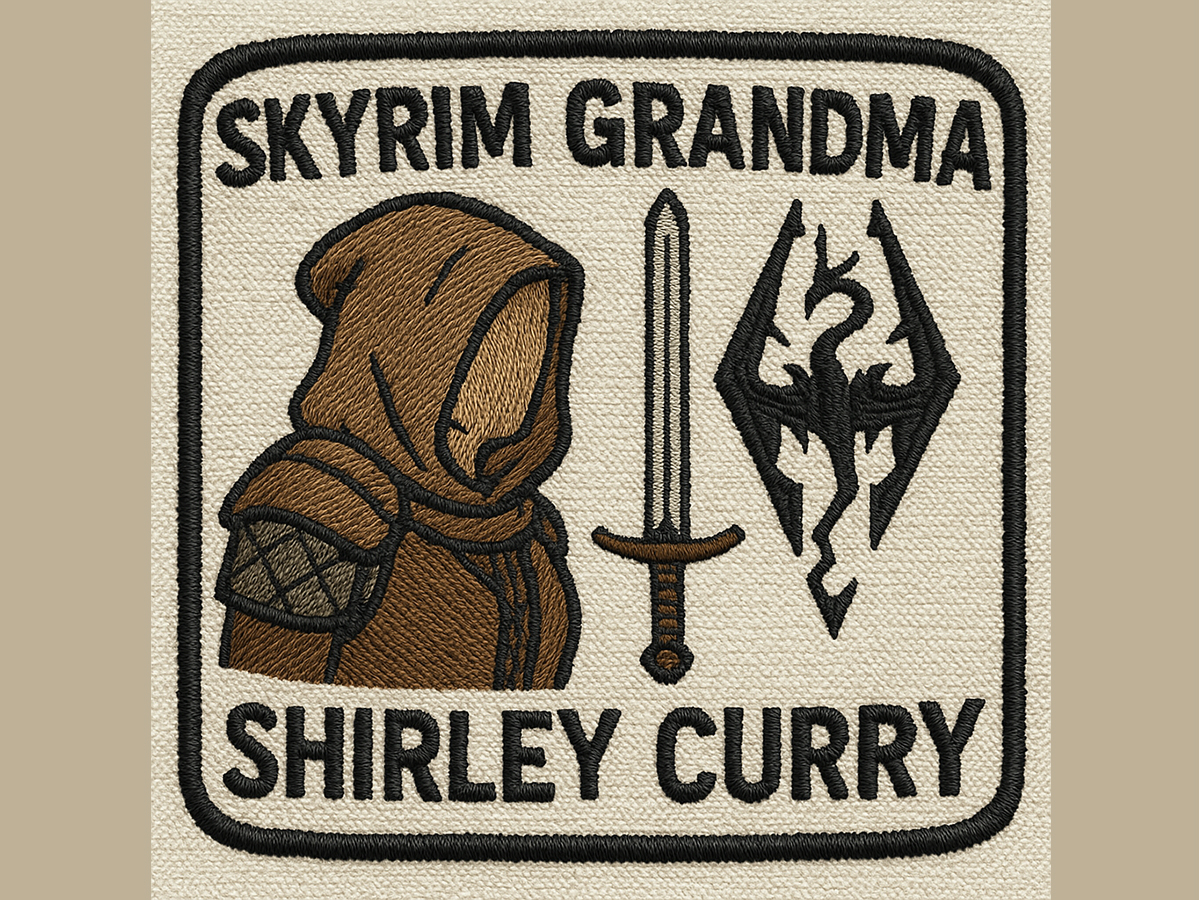
Jacket Embroidery Digitizing is the process of converting artwork, logos, or text into a machine-readable embroidery file. These files (such as DST, PES, EXP, or JEF) guide embroidery machines on how to sew each stitch — including direction, length, density, and color sequence.
Unlike regular embroidery digitizing, jacket digitizing focuses on thick, layered fabrics like denim, leather, fleece, and polyester. These materials require specialized stitch settings to ensure smooth, even embroidery without puckering or thread breakage.
A professional digitizer uses advanced software to create precise stitch maps tailored to jacket surfaces, resulting in durable and visually consistent embroidery.
Why Jackets Require Specialized Digitizing
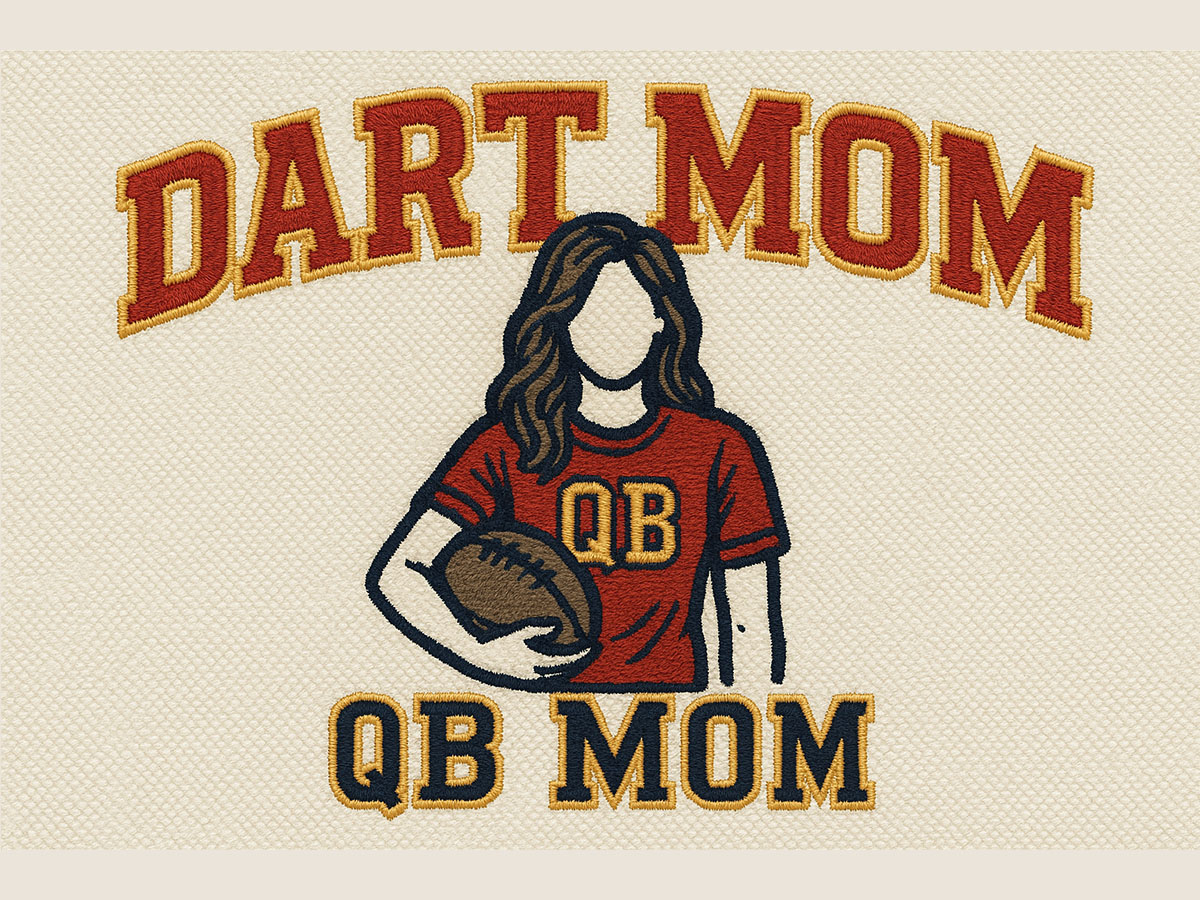
Jackets are among the most complex garments for embroidery due to their structure, materials, and design placement. Unlike t-shirts or polos, jackets often include seams, zippers, padding, and lining that can interfere with stitching.
Professional Jacket Embroidery Digitizing compensates for these challenges by customizing the file to match fabric behavior. For example, digitizers adjust underlay stitching to stabilize the design, increase or decrease stitch density for durability, and ensure proper pull compensation to counteract fabric stretching.
This precision ensures that the embroidered design sits flat, looks symmetrical, and retains its quality even after repeated use.
The Process of Jacket Embroidery Digitizing
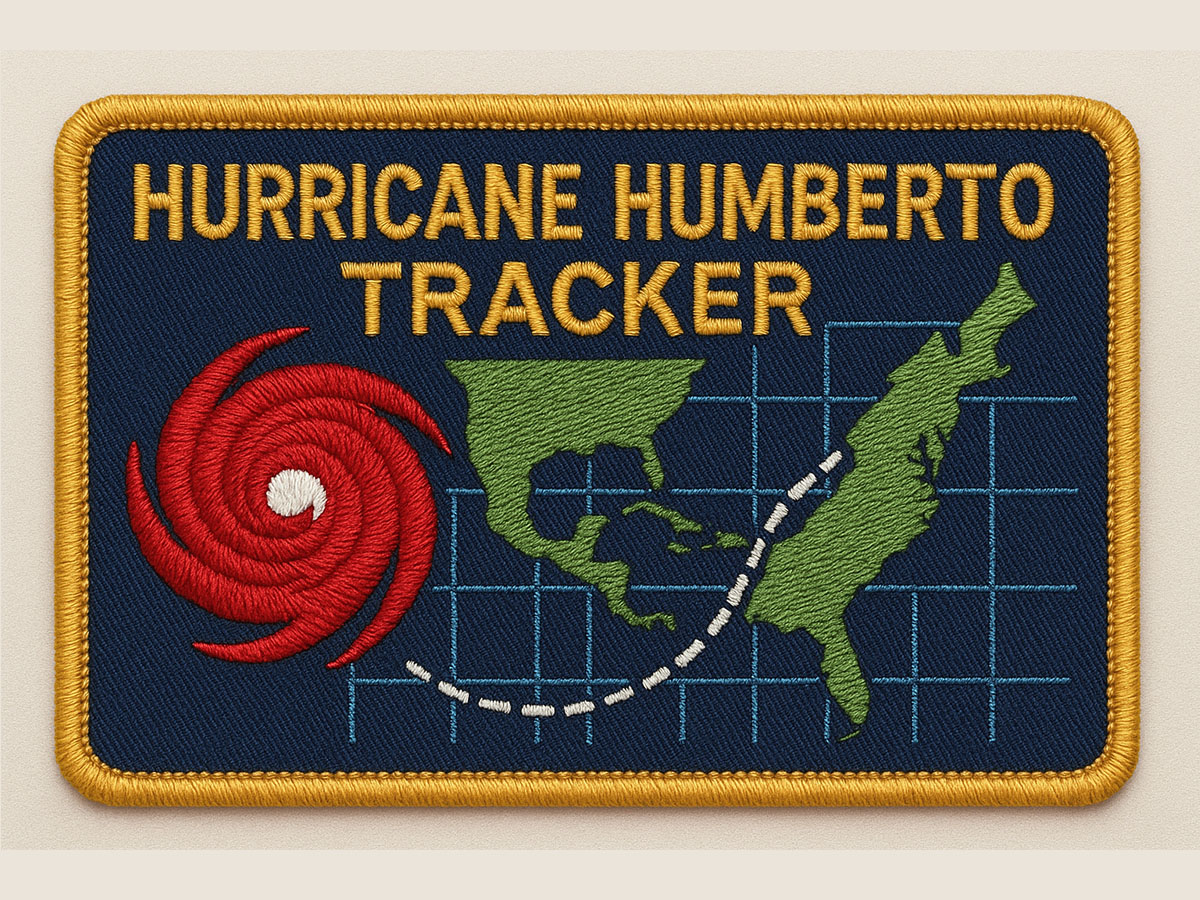
Creating the perfect embroidery file for jackets involves multiple steps that blend creativity with technical knowledge. Each step is designed to ensure that the final product looks clean, professional, and long-lasting.
1. Artwork Evaluation
The digitizer begins by analyzing the artwork or logo. They look for details that may not translate well into stitches — like tiny gradients or thin lines — and simplify them for embroidery. The goal is to retain the brand’s visual identity while ensuring smooth stitch flow.
2. Vector Conversion
If the design is provided as a raster image (JPG, PNG, or BMP), it must be converted into a vector format. Vector art allows precise scaling and helps maintain crisp edges when converting to stitches.
3. Stitch Programming
Using embroidery software, the digitizer maps out the stitch types — satin for borders and text, fill stitches for large areas, and running stitches for outlines. They assign stitch direction, density, and sequence to ensure clean layering and consistent texture.
4. Fabric Adjustment
Jackets come in various fabrics — leather, denim, softshell, fleece, or nylon — each requiring unique stitch settings. For example, leather needs light stitching to avoid perforation, while denim can handle dense fills. The digitizer modifies stitch density and underlay accordingly.
5. Test Run and Refinement
Before final production, a test embroidery is performed on similar material to check alignment, density, and tension. Any imperfections are corrected to guarantee the highest stitch quality and visual balance.
Once finalized, the embroidery file is ready for production, ensuring consistent and professional results across all jackets.
Types of Jacket Embroidery Applications
Embroidery on jackets can vary depending on purpose, style, and design complexity. Each application requires a unique digitizing approach.
Back Jacket Embroidery
The back of a jacket offers a large canvas for bold logos, emblems, or detailed artwork. Digitizing for back embroidery focuses on balancing large stitch areas while maintaining structure and reducing thread tension.
Left Chest and Sleeve Embroidery
Smaller embroidery designs like logos or initials on the left chest or sleeves need fine-tuned digitizing for precision. Text must remain legible, and outlines must appear sharp even on thick fabrics.
Leather and Softshell Jackets
These materials require specialized stitch settings. Leather embroidery uses lighter density and slower machine speed to prevent tearing. Softshell and waterproof jackets need flexible stitch patterns that move with the fabric without cracking or puckering.
Fleece and Quilted Jackets
These materials are soft and stretchy, so digitizing must include strong underlay stitches to stabilize the surface. The goal is to prevent the embroidery from sinking into the fabric’s pile while maintaining clear definition.
The Importance of Proper Stitch Density and Underlay
One of the most crucial aspects of Jacket Embroidery Digitizing is achieving the right stitch density. Jackets are thicker than standard apparel, so too much density can cause stiffness or thread breakage, while too little can make designs appear incomplete.
Professional digitizers use balanced density to achieve smooth coverage while allowing flexibility. Underlay stitches — the foundation layer beneath the visible embroidery — provide stability and help prevent distortion.
This combination ensures that embroidered logos remain durable, flexible, and attractive even after frequent wear.
Benefits of Professional Jacket Embroidery Digitizing
Investing in expert digitizing offers multiple benefits beyond just visual quality.
1. Consistency: Every embroidered jacket looks identical, no matter the batch size.
2. Durability: Stitch patterns are optimized to withstand washing, stretching, and friction.
3. Efficiency: Properly digitized files run smoothly on machines, reducing thread breaks and production delays.
4. Versatility: The same file can be reused for multiple jacket types with minimal adjustments.
5. Premium Branding: Embroidery adds a tactile, high-end look that reflects brand professionalism and craftsmanship.
Well-digitized embroidery files save time, reduce material waste, and deliver results that elevate brand perception.
Industries That Benefit from Jacket Embroidery Digitizing
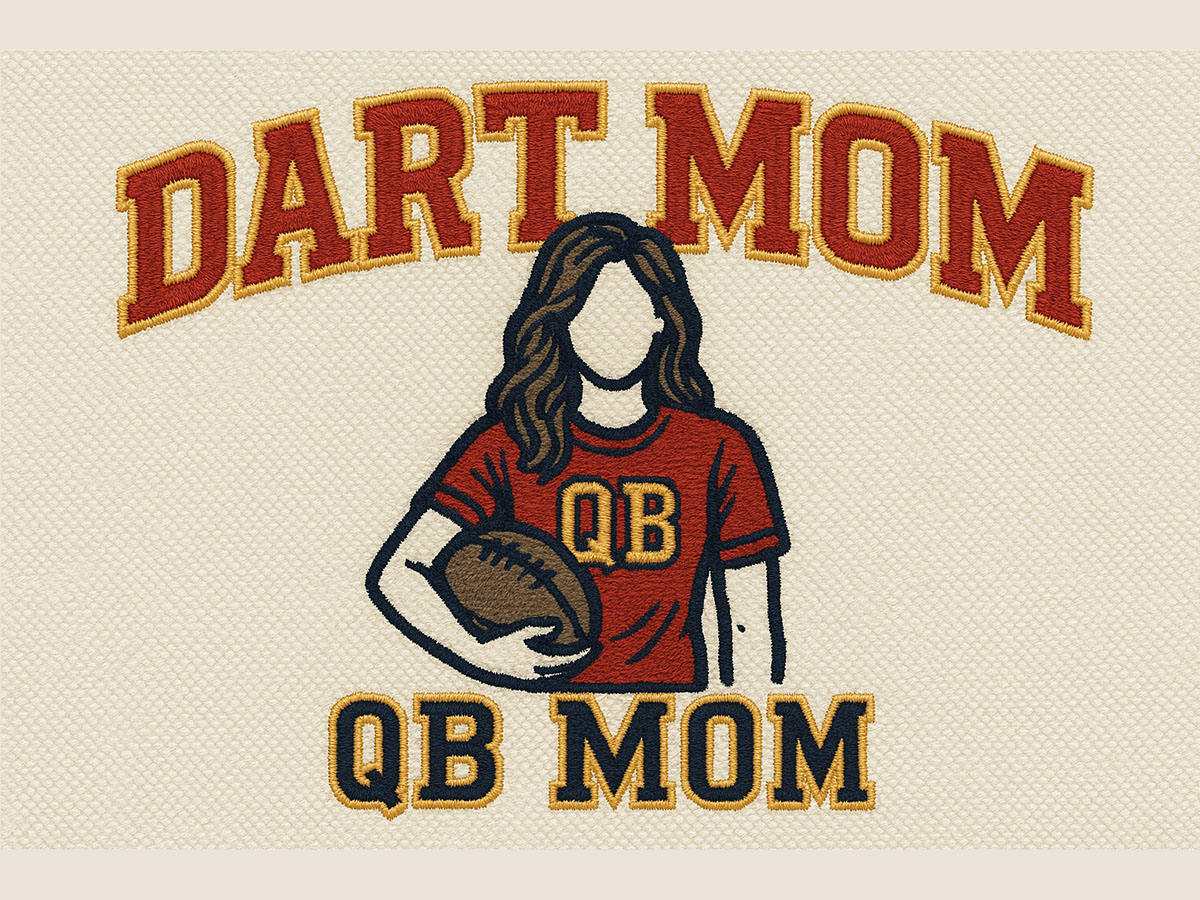
Jacket embroidery is a preferred branding solution across a wide range of industries.
Corporate Apparel: Businesses use embroidered jackets for uniforms and promotional wear to enhance brand identity.
Sports Teams: Embroidered logos and player names on jackets foster unity and pride.
Fashion and Retail: Designers use embroidery to add creative and luxurious details to outerwear collections.
Clubs and Associations: Custom embroidered jackets create a sense of belonging and exclusivity.
Workwear and Safety Gear: Digitized embroidery ensures visibility and durability in tough conditions.
Every industry benefits from the professional, long-lasting look that only digitized embroidery can provide.
Common Challenges in Jacket Embroidery Digitizing
Digitizing for jackets requires precision because of their layered construction. Common challenges include seam placement, material thickness, and logo alignment.
Without professional digitizing, the embroidery may appear uneven, stretch across panels, or cause thread tension issues. Expert digitizers overcome these problems by adjusting pull compensation, sequencing stitches strategically, and ensuring proper alignment across panels and seams.
The result is embroidery that maintains its form and structure regardless of jacket type or quantity.
Why Choose Professional Digitizing for Jackets

Professional digitizers bring a deep understanding of both design and machine mechanics. They know how each fabric reacts to stitching and how to translate your logo into embroidery that looks perfect on any jacket type.
Expert Jacket Embroidery Digitizing ensures that your artwork translates seamlessly from screen to thread — delivering accuracy, consistency, and quality. It’s not just a technical step; it’s the foundation of premium embroidery production.
Conclusion
Jacket Embroidery Digitizing is more than just converting a logo into stitches — it’s about engineering precision for thick fabrics, curved panels, and durable designs. Proper digitizing ensures clean outlines, balanced texture, and long-lasting results that enhance every embroidered jacket’s appearance and quality.
Whether you’re customizing jackets for corporate branding, team identity, or fashion design, professional digitizing guarantees a superior finish. It transforms your artwork into a statement piece — strong, refined, and made to last.
When every stitch matters, trust expert digitizing to ensure your jackets reflect the quality your brand stands for.

 English
 Arabic
 French
 Spanish
 Portuguese
 Deutsch
 Turkish
 Dutch
Dutch
 Italiano
 Russian
 Romaian
 Portuguese (Brazil)
 Greek
Greek
