


 Pro Benefits
 About
About
 Termini e Condizioni
 Privacy
 Child Safety & Protection
 Notifiche
 Ayrush Global It Services Pvt Ltd
Maintenance Tips to Keep Your Die Cutter Running Smoothly
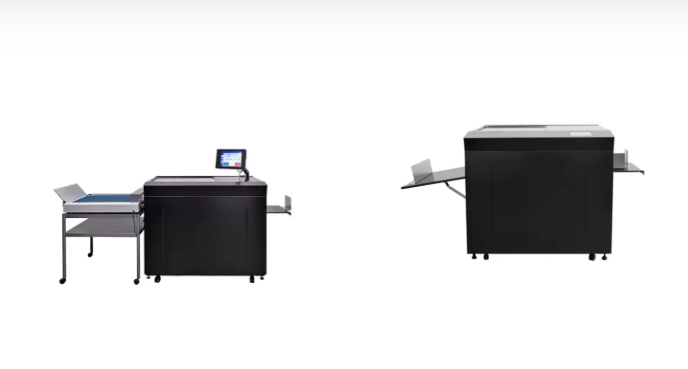
A die cutter is an essential machine for packaging, printing, and manufacturing businesses. It increases efficiency, improves precision, and ensures consistent product quality. However, like any industrial equipment, a die cutter requires regular maintenance to operate at its best. Neglecting maintenance can lead to downtime, costly repairs, and lower productivity.
Here are essential maintenance tips to keep your die cutter running smoothly and extend its lifespan.
1. Regular Cleaning
Dust, paper scraps, ink residue, and other debris can accumulate inside the machine, affecting performance. Regular cleaning helps prevent malfunctions and ensures smooth operation.
- Daily cleaning: Remove scraps and dust from the cutting area and rollers.
- Weekly deep cleaning: Wipe down the machine with a soft cloth and mild cleaning solution, especially around moving parts.
- Check the cutting dies: Remove any residue that may stick to the dies, as it can affect precision.
Keeping your die cutter clean reduces wear on components and maintains cutting accuracy.
2. Lubrication of Moving Parts
Proper lubrication ensures smooth movement of mechanical parts and reduces friction, preventing premature wear.
- Apply machine oil or grease to bearings, rollers, and hinges according to the manufacturer’s recommendations.
- Avoid over-lubricating, as excess oil can attract dust and debris.
- Check lubrication points regularly to maintain consistent performance.
Regular lubrication helps your die cutter run quietly and efficiently.
3. Inspect and Replace Worn Components
Die cutters have parts that wear out over time, including cutting dies, blades, belts, and rollers. Inspecting these components can prevent unexpected breakdowns.
- Check blades and dies: Replace dull or damaged blades to maintain clean cuts.
- Examine belts and rollers: Look for cracks, fraying, or misalignment.
- Monitor bearings and gears: Listen for unusual noises indicating wear.
Replacing worn components promptly ensures consistent performance and reduces downtime.
4. Calibration and Alignment
For precise and uniform cuts, your die cutter must be properly calibrated and aligned. Misalignment can lead to wasted material and uneven cuts.
- Check alignment regularly: Ensure cutting dies and platen are correctly positioned.
- Test cuts: Run sample materials to confirm accuracy before full production.
- Adjust settings: Follow the manufacturer’s instructions for calibration adjustments.
Proper calibration helps maintain the quality and precision your business demands.
5. Preventive Maintenance Schedule
Establishing a preventive maintenance schedule keeps your die cutter in top condition and reduces the risk of unexpected failures.
- Daily checks: Clean and inspect critical areas.
- Weekly maintenance: Lubricate moving parts and check alignment.
- Monthly inspection: Examine wear parts, check electronics, and test overall machine performance.
- Annual servicing: Have a professional technician inspect and service the machine to ensure optimal performance.
A preventive maintenance plan extends the life of your die cutter and ensures reliable operation.
6. Proper Storage and Environment
The environment in which the die cutter operates also affects its longevity:
- Keep the machine in a dry, clean area to prevent rust and corrosion.
- Avoid extreme temperatures that can affect mechanical and electronic components.
- Ensure proper ventilation to prevent overheating during long production runs.
Maintaining the right environment protects your investment and supports consistent productivity.
7. Train Operators
Even the best-maintained machine can fail if not used correctly. Properly trained operators help reduce wear and prevent damage:
- Provide training on correct feeding, cutting, and handling techniques.
- Educate operators about routine cleaning, lubrication, and inspection.
- Encourage reporting of unusual sounds, jams, or issues immediately.
Well-trained operators contribute to smooth operation and prolong machine life.
Conclusion
Maintaining your die cutter is not optional—it’s essential for maximizing productivity, ensuring precise cuts, and minimizing downtime. By cleaning regularly, lubricating moving parts, inspecting components, calibrating properly, following a preventive maintenance schedule, providing the right environment, and training operators, you can keep your die cutter running smoothly for years to come. Upgrade your production process today with a die cutting machine and enjoy faster, more precise cuts for every project.
 Italiano
 English
 Arabic
 French
 Spanish
 Portuguese
 Deutsch
 Turkish
 Dutch
Dutch
 Russian
 Romaian
 Portuguese (Brazil)
 Greek
Greek
