


 Pro Benefits
 About
About
 Términos
 Privacidad
 Child Safety & Protection
 Notificaciones
 Ayrush Global It Services Pvt Ltd
Safety Standards Consulting: Ensuring Compliance, Reducing Risks, and Driving Business Excellence
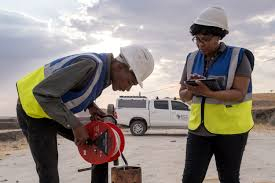
In today’s fast-paced global economy, businesses face growing pressure to comply with safety regulations, minimize workplace risks, and protect employees, customers, and assets. From construction sites and manufacturing plants to healthcare facilities and corporate offices, safety standards are no longer optional—they are legal, ethical, and reputational imperatives.
This is where safety standards consulting plays a vital role. By combining regulatory expertise, risk management strategies, and industry-specific knowledge, consultants help organizations create safer work environments, achieve compliance, and maintain operational efficiency.
What Is Safety Standards Consulting?
Safety standards consulting is the professional service of guiding organizations in meeting regulatory, industry, and international safety requirements. Consultants assess workplace risks, design safety management systems, provide compliance training, and monitor ongoing adherence to standards.
The scope can range from OSHA (Occupational Safety and Health Administration) compliance in the U.S., to ISO 45001 (Occupational Health and Safety Management) worldwide, or specialized standards such as NFPA (fire protection) or FDA workplace safety guidelines.
Why Safety Standards Matter
Ignoring safety standards can lead to severe consequences:
-
Legal Penalties – Non-compliance with OSHA, ISO, or local laws can result in fines, shutdowns, or lawsuits.
-
Financial Losses – Workplace accidents increase insurance premiums, compensation claims, and operational downtime.
-
Reputation Damage – A single incident can harm a brand’s public image and stakeholder trust.
-
Employee Well-Being – Safety programs improve morale, reduce absenteeism, and increase productivity.
A structured safety strategy ensures that businesses not only comply with regulations but also foster a culture of responsibility and care.
Core Services of Safety Standards Consultants
1. Regulatory Compliance Audits
Consultants conduct gap analyses to determine whether a company’s practices meet local and international safety regulations. They identify risks and develop corrective action plans.
2. Risk Assessment and Hazard Control
From chemical exposure to machine safety, consultants evaluate workplace hazards and recommend engineering, administrative, or personal protective measures.
3. Development of Safety Management Systems
Many organizations seek ISO 45001 certification to standardize their occupational health and safety management. Consultants design systems tailored to industry needs.
4. Training and Awareness Programs
A major aspect of safety is workforce education. Consultants train employees on safety protocols, emergency response, and best practices.
5. Incident Investigation and Prevention
In the event of accidents, consultants conduct root-cause analysis and implement preventative measures to avoid recurrence.
6. Industry-Specific Safety Programs
-
Construction: Fall prevention, scaffolding safety, and electrical hazard controls.
-
Manufacturing: Machine guarding, ergonomics, and chemical handling.
-
Healthcare: Infection control, patient handling, and hazardous drug exposure.
-
Oil & Gas: Fire safety, confined space entry, and explosion prevention.
Benefits of Hiring Safety Standards Consultants
-
Expert Knowledge – Access to professionals who understand complex, ever-changing regulations.
-
Cost Savings – Preventing accidents and penalties saves money in the long run.
-
Certification Readiness – Consultants guide businesses through ISO or OSHA certification processes.
-
Improved Productivity – Safer workplaces reduce absenteeism and downtime.
-
Reputation Management – Demonstrating commitment to safety enhances brand credibility.
The Role of Technology in Safety Consulting
Modern safety standards consulting increasingly leverages digital tools:
-
EHS Software (Environmental Health and Safety) for tracking compliance data.
-
IoT Devices such as wearable sensors to monitor worker health in real time.
-
AI-Driven Risk Analytics to predict potential hazards before they occur.
-
Mobile Apps for safety training, reporting hazards, and managing audits.
These innovations not only streamline compliance but also provide actionable insights that traditional methods cannot.
Global Frameworks and Regulations
Safety standards consulting often involves navigating multiple frameworks:
-
OSHA (U.S.) – Workplace safety laws and regulations.
-
ISO 45001 – International standard for occupational health and safety.
-
NFPA Codes – Fire safety and electrical hazard prevention.
-
EU Directives (CE Marking) – Safety standards for European markets.
-
Local Regulations – Varying by country, industry, and government agency.
Consultants align these frameworks with business needs, ensuring seamless operations across regions.
Choosing the Right Safety Standards Consultant
When selecting a consulting partner, businesses should evaluate:
-
Industry Experience – Do they specialize in your sector (construction, healthcare, etc.)?
-
Certifications – Are they certified auditors or ISO consultants?
-
Reputation – Do they have proven results and client testimonials?
-
Customization – Can they tailor safety programs to organizational needs?
-
Technology Adoption – Do they leverage modern tools for risk assessment and compliance tracking?
Future of Safety Standards Consulting
The future of workplace safety is shifting toward proactive prevention rather than reactive compliance. Key trends include:
-
Integration with ESG (Environmental, Social, Governance) Goals – Safety performance as part of corporate sustainability.
-
Data-Driven Decision Making – Predictive analytics to minimize accidents.
-
Remote Safety Audits – Virtual inspections via digital platforms.
-
Mental Health and Well-Being – Expanding safety standards beyond physical hazards.
As regulations tighten and workplaces evolve, safety standards consultants will remain indispensable partners in organizational success.
Conclusion
Safety standards consulting is no longer a luxury—it is a necessity. Whether it’s achieving compliance, preventing accidents, or building a culture of safety, consultants provide the expertise, tools, and strategies businesses need.
By aligning with global frameworks, adopting modern technologies, and prioritizing employee well-being, companies can transform safety from a regulatory burden into a competitive advantage.
In a world where one oversight can cost lives, credibility, and profits, safety standards consultants are the bridge between compliance and excellence.

 English
 Arabic
 French
 Portuguese
 Deutsch
 Turkish
 Dutch
Dutch
 Italiano
 Russian
 Romaian
 Portuguese (Brazil)
 Greek
Greek
