


 Pro Benefits
 About
About
 Termini e Condizioni
 Privacy
 Child Safety & Protection
 Notifiche
 Ayrush Global It Services Pvt Ltd
Is Feta Cheese Healthy? A Complete Guide
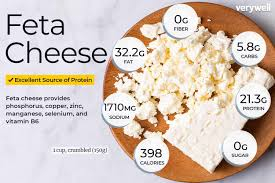
Feta cheese is one of the most popular cheeses in the world, known for its crumbly texture, tangy flavor, and rich history rooted in Greek cuisine. From sprinkling it on salads to using it in Mediterranean dishes, feta is a versatile ingredient that elevates almost any meal. But the question remains—is feta cheese healthy? To answer this, let’s dive deep into its nutritional profile, health benefits, and potential drawbacks.
The Nutritional Value of Feta Cheese
When asking is feta cheese healthy, the first thing to consider is its nutrient composition. Feta is lower in calories and fat compared to many other cheeses, making it a more balanced option for those who enjoy dairy. A typical serving of one ounce (28 grams) contains around 75 calories, 4 grams of protein, and 6 grams of fat, with a good amount of calcium and vitamin B12.
Feta is also rich in phosphorus, riboflavin, and selenium—nutrients that play a crucial role in bone strength, energy production, and overall health. Unlike aged cheeses such as cheddar or parmesan, feta is relatively easy to digest, which can be a plus for those who struggle with heavier dairy products.
Health Benefits of Eating Feta Cheese
So, is feta cheese healthy in terms of health benefits? The answer leans toward yes when consumed in moderation. Feta has a range of positive effects on health, especially when incorporated into a balanced diet.
One of the most notable benefits of feta is its calcium content, which helps support strong bones and teeth. Additionally, its protein supports muscle repair and growth, while its B vitamins promote energy metabolism and brain function.
Another point worth mentioning is that feta cheese is often made from sheep’s milk or a combination of sheep and goat’s milk. These milks tend to have higher levels of certain fatty acids, such as conjugated linoleic acid (CLA), which may help reduce inflammation and support heart health.
Feta Cheese and Weight Management
Many people ask, is feta cheese healthy for those trying to manage their weight? Feta can indeed be a smart choice. Its lower calorie and fat content compared to heavier cheeses make it a better option for those who don’t want to give up cheese but are keeping an eye on their diet. Adding small amounts of feta to salads, wraps, and roasted vegetables can increase flavor without adding too many extra calories.
Because feta has a strong, tangy taste, even a small serving goes a long way in enhancing a dish. This means you don’t have to use a lot to get maximum flavor, which can help with portion control.
The Role of Feta Cheese in a Mediterranean Diet
When we think about is feta cheese healthy, we cannot ignore its cultural and dietary background. Feta cheese is a staple in the Mediterranean diet, which is widely considered one of the healthiest eating patterns in the world.
The Mediterranean diet emphasizes whole foods, including fruits, vegetables, whole grains, fish, and olive oil, with moderate amounts of cheese like feta. Studies have shown that people who follow this diet often have lower risks of heart disease, type 2 diabetes, and certain cancers. Feta cheese, when consumed as part of this balanced lifestyle, can contribute to long-term health benefits.
Possible Downsides of Feta Cheese
Of course, while answering is feta cheese healthy, we must also look at potential drawbacks. Feta cheese is relatively high in sodium, with about 250 milligrams per ounce. For individuals who need to limit salt intake due to high blood pressure or heart conditions, too much feta may not be ideal.
Additionally, since feta is made from dairy, it may not be suitable for those with lactose intolerance or milk allergies. However, sheep’s and goat’s milk often contain less lactose than cow’s milk, which means some people may find feta easier to digest compared to other cheeses.
How to Enjoy Feta Cheese the Healthy Way
So, is feta cheese healthy when included in everyday meals? Absolutely, as long as it’s eaten in moderation and paired with nutrient-dense foods. Using feta in salads with leafy greens, mixing it into omelets with vegetables, or crumbling it over whole-grain dishes are all excellent ways to enjoy its flavor without overindulging.
For a healthier option, rinsing feta before adding it to dishes can slightly reduce its sodium content. Pairing it with fresh produce and healthy fats like olive oil will also help create a more balanced meal.
Final Thoughts: Is Feta Cheese Healthy?
The big question—is feta cheese healthy—doesn’t have a one-size-fits-all answer. But overall, feta can certainly be a nutritious addition to a balanced diet. Its rich nutrient profile, moderate calorie count, and role in the Mediterranean diet make it a cheese worth enjoying. Like all foods, the key lies in portion control and balance.
If you’re someone who loves cheese but wants a lighter, flavorful option, feta is an excellent choice. So next time you sprinkle some over your salad or bake it into a savory dish, you can feel good knowing you’re not just indulging in taste—you’re also nourishing your body.
 Italiano
 English
 Arabic
 French
 Spanish
 Portuguese
 Deutsch
 Turkish
 Dutch
Dutch
 Russian
 Romaian
 Portuguese (Brazil)
 Greek
Greek
