


 Pro Benefits
 О нас
О нас
 Условия использования
 Конфиденциальность
 Child Safety & Protection
 Оповещения
 Ayrush Global It Services Pvt Ltd
Understanding Hidden Tracking Devices in Cars
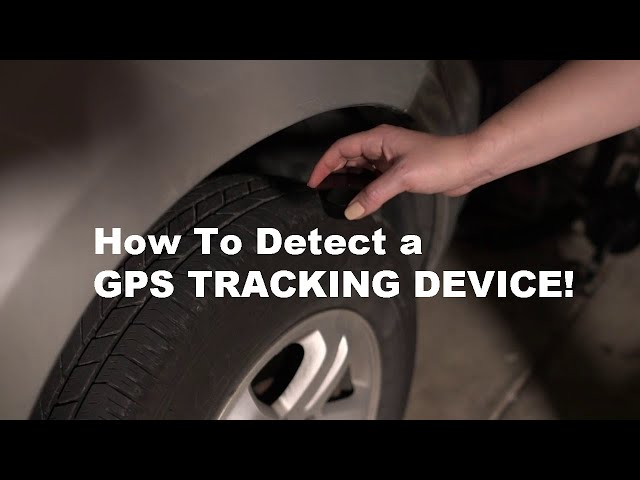
In today’s digital age, technology has made life more convenient but also more intrusive. One area where privacy concerns are rapidly growing is vehicle surveillance. The rise of hidden tracking devices in cars has sparked debates about security, privacy, and personal freedom. While some people use these devices for legitimate reasons such as fleet management, parental monitoring, or theft prevention, others exploit them for unauthorized surveillance. Understanding how these devices work and how to detect them is essential for protecting your privacy.
What Are Hidden Tracking Devices in Cars?
A hidden tracking device is a small, discreet gadget that uses GPS or cellular technology to monitor a vehicle’s movements in real time. These devices can be installed inside or outside a vehicle, often in places where they are difficult to detect, such as under the dashboard, inside the glove compartment, or attached to the undercarriage with magnets. Once installed, hidden tracking devices in cars can transmit detailed location data to the person monitoring the vehicle.
Why Are Hidden Tracking Devices Used?
There are both legal and illegal uses of tracking technology. On the positive side, businesses often use hidden tracking devices in cars to monitor company fleets, ensuring employees are following routes and schedules efficiently. Parents sometimes use them to keep track of teen drivers to ensure safety. Law enforcement agencies may use tracking devices with a warrant for investigative purposes.
However, these devices can also be misused. Stalkers, controlling partners, or individuals with malicious intent may place hidden trackers to spy on someone’s movements without their knowledge or consent. In such cases, they become a serious violation of privacy.
The Risks of Hidden Tracking Devices
The presence of hidden tracking devices in cars raises significant security and privacy concerns. For one, your personal freedom is compromised when someone can track your every move without your permission. It can also lead to dangerous situations if the information falls into the wrong hands, such as stalkers or criminals who want to know when you’re away from home.
Another risk lies in data security. Many tracking devices transmit location data through apps or online platforms. If these systems are not secure, hackers could potentially access your private information and movements, creating further safety risks.
How to Detect Hidden Tracking Devices in Cars
If you suspect that someone may have placed a hidden tracker in your vehicle, there are several ways to check. A physical inspection is often the first step. Carefully examine areas under the car, around the wheel wells, and inside the vehicle, especially under seats and in the trunk. Hidden trackers are usually small and may be magnetic.
Electronic sweeps are another option. Special bug detectors or RF (radio frequency) scanners can identify unusual signals being transmitted from inside the car. Some professional security services also specialize in locating and removing hidden tracking devices in cars.
Legal Aspects of Tracking Devices
The legality of using hidden tracking devices in cars depends on the context. If you own the car, placing a tracker for theft protection or monitoring is generally legal. Businesses using them on company-owned vehicles also fall within legal limits. However, placing a hidden tracker on someone else’s vehicle without consent is typically illegal and can lead to serious legal consequences, including charges for stalking or harassment.
It’s important to know your rights. If you discover a hidden tracker that was placed without your permission, you can report it to local authorities and take legal action against the person responsible.
How to Protect Yourself from Hidden Tracking Devices
Preventing unauthorized surveillance requires both awareness and proactive steps. Regularly inspect your vehicle, especially if you suspect someone might be monitoring you. Investing in a bug detector can provide peace of mind. You can also seek professional help if you’re unable to locate a device but still feel your movements are being tracked.
Another layer of protection is being mindful of your digital footprint. Many cars today come with built-in connectivity features that track locations for navigation or entertainment purposes. Understanding how your vehicle’s technology works can help you manage privacy settings and limit unnecessary data sharing.
The Future of Vehicle Privacy
As technology continues to advance, the use of hidden tracking devices in cars is expected to grow. While they can serve legitimate purposes, the potential for abuse remains high. This makes it critical for drivers to stay informed, vigilant, and proactive in safeguarding their privacy.
Future car models may include built-in detection systems that alert drivers if a foreign tracking device is found, adding another layer of security. Until then, knowledge and awareness remain the best defense.
Conclusion
Hidden tracking devices in cars highlight the double-edged nature of modern technology. While they offer benefits like theft recovery, parental monitoring, and business efficiency, they also open the door to privacy violations and potential dangers. By learning how these devices work, recognizing the risks, and taking steps to detect and remove them, you can protect your freedom and ensure peace of mind on the road.
 Russian
 English
 Arabic
 French
 Spanish
 Portuguese
 Deutsch
 Turkish
 Dutch
Dutch
 Italiano
 Romaian
 Portuguese (Brazil)
 Greek
Greek
