


 Pro Benefits
 About
About
 Termini e Condizioni
 Privacy
 Child Safety & Protection
 Notifiche
 Ayrush Global It Services Pvt Ltd
Top Signs Your Subaru Engine Needs Immediate Repair
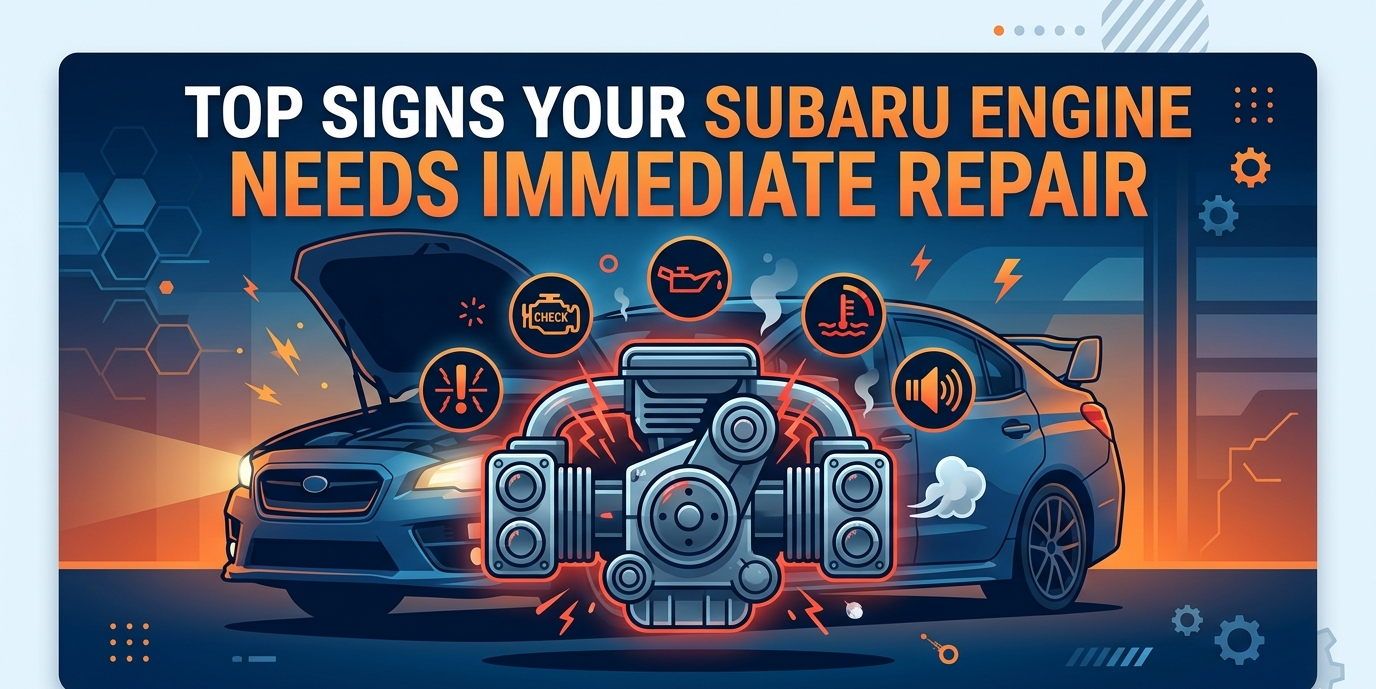
A Subaru Engine is known for its durability, reliability, and long-lasting performance. However, like any mechanical system, it can develop problems over time due to wear, poor maintenance, or driving conditions. Recognizing early warning signs can help prevent serious damage and costly repairs. When a Subaru Engine begins to show unusual symptoms, it is important to take action quickly. Ignoring small problems can allow them to grow into major mechanical failures that affect both safety and vehicle performance.
Understanding the most common warning signs can help vehicle owners protect their engines and keep their cars running smoothly for many years.
1. Unusual Engine Noises
Strange noises are often the first indication that something is wrong inside the engine. While engines naturally produce some sound during operation, loud or unusual noises should never be ignored.
Common sounds that may signal trouble include:
-
Knocking or tapping noises
-
Grinding sounds
-
Loud ticking from the engine bay
These noises may indicate issues such as worn bearings, valve problems, or insufficient lubrication. If these sounds become louder over time, immediate inspection is necessary to prevent internal damage.
2. Excessive Exhaust Smoke
The color of exhaust smoke can reveal a lot about the condition of your engine.
Different smoke colors may indicate different problems:
Blue Smoke
Blue smoke usually means the engine is burning oil, which could be caused by worn piston rings or valve seals.
White Smoke
Thick white smoke may indicate coolant leaking into the engine, often caused by a damaged head gasket.
Black Smoke
Black smoke typically means the engine is burning too much fuel due to fuel system issues.
Any unusual smoke should be checked immediately because it may indicate serious engine problems.
3. Engine Overheating
Overheating is one of the most dangerous problems an engine can experience. A properly functioning cooling system keeps the engine temperature within safe limits.
Common causes of overheating include:
-
Low coolant levels
-
Faulty thermostat
-
Radiator issues
-
Water pump failure
If the temperature gauge rises quickly or steam appears from the hood, the vehicle should be stopped immediately. Continued driving with an overheated engine can cause severe internal damage.
4. Loss of Power and Poor Acceleration
A sudden loss of power is another warning sign that something may be wrong with the engine.
Drivers may notice:
-
Slow acceleration
-
Difficulty climbing hills
-
Reduced engine responsiveness
These issues can be caused by fuel system problems, ignition issues, or airflow restrictions. Addressing these problems early can prevent further damage and restore engine performance.
5. Oil Leaks Under the Vehicle
Oil leaks are a common issue that should never be ignored. Oil is essential for lubricating engine components and preventing friction.
Leaks can occur due to:
-
Worn gaskets
-
Damaged seals
-
Loose oil filters
-
Cracked oil pans
If oil spots appear under the vehicle or if the engine oil level drops quickly, repairs should be performed immediately to prevent engine damage.
6. Check Engine Light Turning On
Modern vehicles are equipped with advanced monitoring systems that detect engine problems.
When the check engine light appears on the dashboard, it usually indicates that the engine control system has detected a malfunction.
Possible causes include:
-
Sensor failures
-
Ignition problems
-
Fuel system issues
-
Emission system faults
A diagnostic scan can help identify the exact problem and ensure proper repairs.
7. Rough Idling
A healthy engine should run smoothly when the vehicle is idling. If the engine shakes, vibrates, or stalls while the car is stopped, it may indicate internal issues.
Possible causes include:
-
Dirty fuel injectors
-
Faulty spark plugs
-
Air intake problems
-
Vacuum leaks
Rough idling not only affects driving comfort but may also indicate underlying engine problems that require attention.
8. Poor Fuel Efficiency
If you notice that your vehicle is using more fuel than usual, it could be a sign of engine trouble.
Reduced fuel efficiency may occur due to:
-
Faulty oxygen sensors
-
Fuel injector issues
-
Ignition system problems
-
Engine compression loss
Regular engine inspections can help maintain proper fuel economy and performance.
9. Burning Smell from the Engine
A burning smell while driving can signal serious engine problems. This smell may come from leaking oil, overheating components, or damaged belts.
Drivers should immediately inspect the vehicle if they notice:
-
Burning oil smell
-
Electrical burning odor
-
Smoke from the engine bay
Ignoring these warning signs could lead to severe mechanical damage.
Importance of Immediate Repairs
Delaying engine repairs can significantly increase the cost and complexity of fixing the problem. Small mechanical issues often turn into major failures if they are ignored.
Benefits of early repairs include:
-
Preventing major engine damage
-
Reducing repair costs
-
Maintaining vehicle safety
-
Improving overall engine performance
Taking quick action when warning signs appear helps protect the engine and extend the vehicle’s lifespan.
Using Quality Engine Components
When engine repairs are required, using high-quality replacement parts is extremely important. Reliable parts ensure that the engine continues to operate smoothly and efficiently.
Many vehicle owners rely on Moon Auto Parts when searching for dependable replacement components. Quality engine parts can help restore performance and prevent repeated mechanical issues.
Professional mechanics and vehicle owners often choose Moon Auto Parts for reliable engine solutions that support long-term vehicle performance.
Conclusion
A Subaru vehicle can deliver years of dependable performance when its engine is properly maintained and repaired when necessary. Paying attention to early warning signs such as unusual noises, overheating, oil leaks, exhaust smoke, and loss of power can help prevent serious mechanical damage.
Drivers who respond quickly to these symptoms can avoid expensive repairs and extend the life of their Subaru Engine. Regular maintenance, responsible driving habits, and timely inspections all play an important role in keeping the engine running efficiently. When replacement components are required, many vehicle owners trust Moon Auto Parts for reliable engine parts that help maintain performance and long-term durability.
Frequently Asked Questions (FAQ)
1. What are the early signs of Subaru engine problems?
Common signs include unusual engine noises, overheating, oil leaks, poor acceleration, and excessive exhaust smoke.
2. Is it safe to drive with a check engine light on?
It depends on the cause. Some issues are minor, but others may indicate serious engine problems. It is best to have the vehicle inspected as soon as possible.
3. How often should a Subaru engine be serviced?
Most vehicles should receive basic servicing such as oil changes every 5,000 to 7,500 miles, depending on driving conditions.
4. Can overheating damage a Subaru engine?
Yes, overheating can cause severe damage such as warped cylinder heads or blown head gaskets if not addressed immediately.
5. What should I do if my engine starts making unusual noises?
If the engine produces knocking, grinding, or tapping sounds, it should be inspected by a qualified mechanic right away to prevent further damage.
 Italiano
 English
 Arabic
 French
 Spanish
 Portuguese
 Deutsch
 Turkish
 Dutch
Dutch
 Russian
 Romaian
 Portuguese (Brazil)
 Greek
Greek
