


 Pro Benefits
 About
About
 Termeni
 Confidențialitate
 Child Safety & Protection
 Notificări
 Ayrush Global It Services Pvt Ltd
A Complete Guide to Surgery for Skin
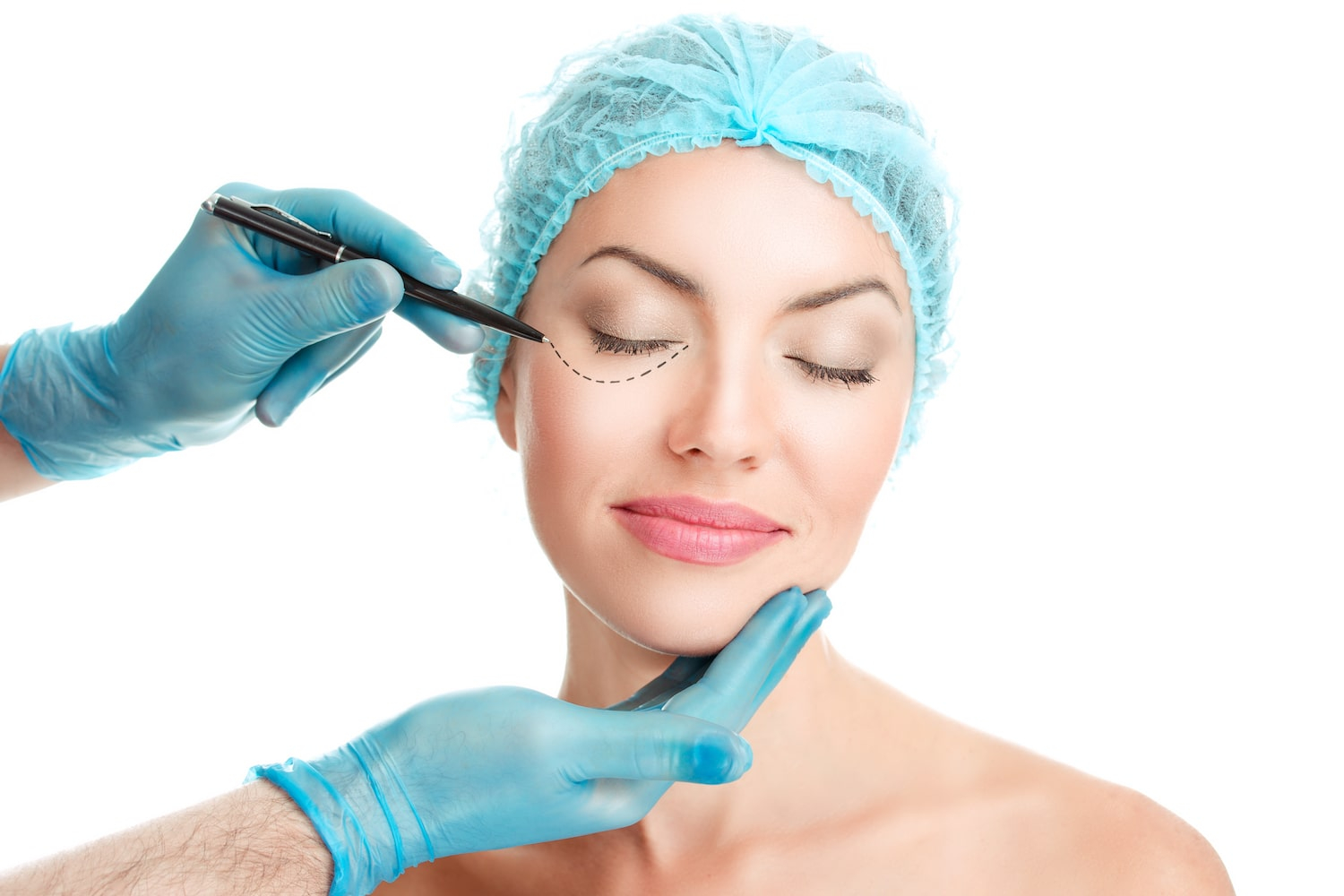
The skin, being the largest organ of the human body, plays a crucial role in protecting us from environmental factors, regulating temperature, and supporting overall well-being. Over time, skin can be affected by injuries, aging, diseases, and cosmetic concerns that may require medical or surgical attention. In such situations, various procedures are available to restore functionality, improve appearance, and address health issues. Understanding the role, methods, and impact of surgery for skin can help individuals make informed decisions about treatment options while prioritizing both health and aesthetics.
The Importance of Skin in Human Health
Skin serves as the body’s first line of defense, protecting internal organs from bacteria, viruses, and environmental damage. It also plays a vital role in regulating body temperature and producing essential vitamins such as vitamin D. When the skin is damaged due to trauma, burns, or disease, its protective function can be compromised. In addition, conditions such as skin cancer, cysts, and chronic infections may require surgical intervention to prevent further complications.
Maintaining skin health is essential not only for medical reasons but also for psychological and emotional well-being. Because skin is visible, its appearance can greatly affect self-confidence. Surgical solutions, therefore, are often sought not just to address medical conditions but also to enhance overall quality of life.
When Is Surgery for Skin Necessary?
There are several circumstances where surgical procedures become essential. These may include:
-
Removal of Skin Cancer: Malignant growths such as melanoma or basal cell carcinoma often require surgical removal to prevent spreading.
-
Treatment of Trauma or Burns: Severe injuries may necessitate grafting or reconstruction.
-
Cyst and Lesion Removal: Benign growths, warts, or cysts can be removed for medical or cosmetic reasons.
-
Scar Revision: Surgery can minimize the appearance of scars from injuries, burns, or acne.
-
Cosmetic Enhancements: Procedures such as facelifts or skin tightening are often chosen to reduce visible signs of aging.
Each situation requires evaluation by a qualified dermatologist or plastic surgeon to determine the best approach based on individual needs.
Types of Surgery for Skin Conditions
Surgical interventions for the skin come in many forms, depending on the condition and the desired outcome. Some of the most common include:
1. Excisional Surgery
This involves removing abnormal skin tissue, such as tumors or lesions. The surgeon carefully cuts away the affected area along with some surrounding tissue to ensure complete removal.
2. Mohs Surgery
Often used for skin cancer, this technique involves removing thin layers of tissue one at a time and examining them under a microscope until no abnormal cells remain. It is highly precise and minimizes damage to healthy skin.
3. Skin Grafting
In cases of severe burns or trauma, healthy skin from another part of the body is transplanted to cover damaged areas. This helps restore both function and appearance.
4. Cosmetic Procedures
Surgeries such as facelifts, eyelid surgery, and wrinkle reduction target the visible signs of aging. These treatments are chosen to improve appearance and boost self-confidence.
5. Laser and Minimally Invasive Methods
Although not always classified as traditional surgery, techniques such as laser resurfacing or minimally invasive procedures are often used to treat scars, wrinkles, and pigmentation issues.
The Role of Reconstructive Surgery
Reconstructive procedures play an essential role when the skin is severely damaged. For example, after tumor removal or major trauma, surgeons may need to reconstruct the affected area to restore both form and function. This can involve advanced techniques such as flap surgery, where tissue from nearby areas is used to repair defects.
These procedures are not solely about aesthetics; they also help patients regain mobility, reduce discomfort, and improve day-to-day functioning. For burn survivors or those with large scars, reconstructive options can be life-changing.
Preparing for Surgery
Before undergoing surgery, patients typically go through a thorough evaluation process. This includes medical history review, physical examination, and sometimes laboratory tests. The surgeon also explains the procedure, potential risks, and expected outcomes.
Lifestyle adjustments may be recommended, such as stopping smoking, avoiding certain medications, or adopting a healthier diet. Preparing mentally is equally important, as patients often experience anxiety or fear before surgery. Clear communication with the medical team can help ease concerns and set realistic expectations.
Recovery and Aftercare
Post-surgery recovery varies depending on the type of procedure performed. Simple excisions may heal within a few weeks, while major reconstructive surgeries may take several months. Common aspects of recovery include:
-
Wound Care: Keeping the area clean and following the surgeon’s instructions.
-
Pain Management: Medications may be prescribed to control discomfort.
-
Monitoring for Complications: Patients are advised to watch for signs of infection, bleeding, or delayed healing.
-
Follow-Up Appointments: Regular visits to the doctor ensure proper healing and allow adjustments to aftercare.
Patience is key, as full results—particularly for cosmetic or reconstructive surgeries—often become visible only after several months of healing.
Psychological and Emotional Impact
Surgical procedures for the skin can have a profound effect on self-esteem. For individuals who have lived with visible scars, tumors, or disfigurement, surgery can restore confidence and improve social interactions. However, it is equally important to recognize that not every outcome will be perfect.
Some patients may require psychological support during recovery, especially if they are coping with trauma, disfigurement, or chronic illness. Counseling and support groups can provide valuable encouragement during this process.
Risks and Considerations
As with any medical procedure, surgery for skin carries potential risks. These may include infection, scarring, changes in sensation, or allergic reactions to anesthesia. In rare cases, complications can be severe, requiring additional treatments.
Choosing an experienced surgeon significantly reduces these risks. Patients should also follow all pre- and post-operative instructions carefully to promote successful healing.
Advances in Skin Surgery
Modern medical technology has transformed the field of skin surgery. Innovative techniques such as robotic-assisted surgery, advanced laser systems, and biologically engineered grafts have made procedures more effective and less invasive.
Additionally, the integration of regenerative medicine—such as stem cell therapy and growth factors—promises to revolutionize recovery, offering faster healing and reduced scarring. These advancements continue to expand the possibilities for both medical and cosmetic applications.
Cosmetic Versus Medical Surgery for Skin
It is important to distinguish between procedures performed for medical necessity and those chosen for cosmetic reasons. While medical interventions often address serious health risks such as cancer or trauma, cosmetic treatments focus on appearance and personal satisfaction.
Neither category is less important; both contribute to quality of life in different ways. Medical procedures save lives and prevent disease progression, while cosmetic surgeries improve emotional well-being by enhancing self-image.
The Importance of Choosing the Right Specialist
Selecting a qualified and experienced specialist is one of the most critical steps before undergoing surgery. Dermatologists, plastic surgeons, and oncologists may all be involved depending on the case. Patients should research credentials, review previous case results, and ask questions about risks and outcomes.
Trust and communication with the surgeon ensure that patients are fully informed and confident in their decisions.
Long-Term Care and Lifestyle Adjustments
After undergoing surgery, maintaining healthy skin becomes an ongoing priority. This includes protecting the skin from excessive sun exposure, eating a balanced diet, staying hydrated, and practicing good skincare routines.
For individuals who underwent surgery due to skin cancer, regular check-ups are essential to monitor for recurrence. Similarly, those who had reconstructive or cosmetic procedures should continue to follow long-term aftercare guidelines provided by their surgeon.
Final Thoughts
Surgery for skin represents a wide field of medical and cosmetic possibilities, ranging from lifesaving interventions to appearance-enhancing procedures. Each type of surgery has its own benefits, risks, and recovery requirements. The key to success lies in personalized treatment, guided by experienced professionals and supported by proper aftercare.
Ultimately, these procedures not only address medical conditions but also empower individuals by restoring health, function, and confidence. With continued advancements in medical science, the future of skin surgery promises even greater precision, safety, and transformative results.
 Romaian
 English
 Arabic
 French
 Spanish
 Portuguese
 Deutsch
 Turkish
 Dutch
Dutch
 Italiano
 Russian
 Portuguese (Brazil)
 Greek
Greek
