


 Pro Benefits
 About
About
 Términos
 Privacidad
 Child Safety & Protection
 Notificaciones
 Ayrush Global It Services Pvt Ltd
The Science Behind Recycled Yarn: From Waste to Wearable Fiber
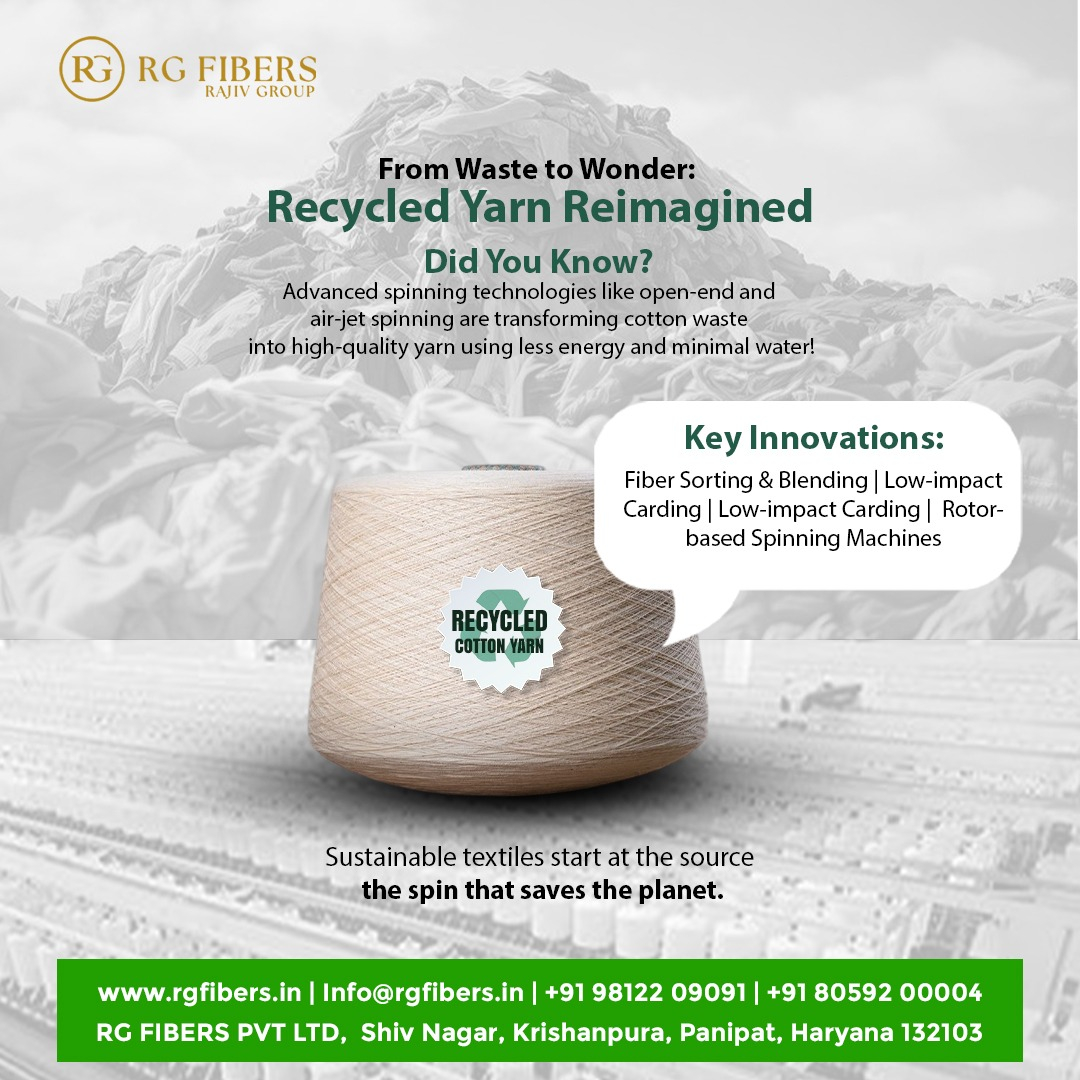
In today’s world, sustainability is no longer just a buzzword—it’s a necessity. The textile industry, long criticized for its environmental impact, has embraced innovation to reduce waste and promote eco-friendly practices. One of the most significant advancements is the creation of recycled yarn, a product that transforms discarded fabrics into high-quality fibers suitable for fashion, home textiles, and industrial applications.
This article explores the fascinating science behind recycled yarn, its journey from waste to wearable fiber, and how recycled yarn manufacturers and suppliers are shaping a more sustainable future.
What is Recycled Yarn?
Recycled yarn is a type of yarn produced by reprocessing pre-consumer or post-consumer textile waste. Pre-consumer waste includes scraps and off-cuts generated during the manufacturing process, while post-consumer waste refers to used garments, textiles, and even plastic bottles that have reached the end of their lifecycle.
By converting these materials into fibers, recycled yarn reduces the demand for virgin materials, conserves natural resources, and minimizes landfill waste. It is an integral part of the circular fashion movement, promoting eco-conscious production and consumption.
The Science of Transforming Waste into Fiber
The process of making recycled yarn is both innovative and meticulous. It involves several steps designed to preserve the quality and strength of the fibers. Here’s a closer look at the journey:
1. Collection and Sorting
Textile waste is first collected and sorted based on fiber type, color, and quality. This step is crucial because mixing incompatible fibers can affect the strength, texture, and color of the final yarn. Recycled yarn suppliers often invest in advanced sorting technologies to ensure consistency and quality.
2. Cleaning and Preparation
Once sorted, the textiles undergo thorough cleaning to remove dirt, dyes, and contaminants. For post-consumer waste, this step may include sterilization to ensure hygienic standards. The cleaned materials are then shredded into smaller pieces, ready for fiber regeneration.
3. Fiber Regeneration
The shredded material is converted into fibers through mechanical or chemical processes:
-
Mechanical Recycling: The fabrics are pulled apart and spun into new fibers. This process is energy-efficient and ideal for cotton or blended fabrics.
-
Chemical Recycling: Fibers like polyester or nylon can be chemically broken down and re-polymerized to create virgin-quality fibers. This method is especially useful for synthetic fibers that cannot be efficiently processed mechanically.
4. Spinning
The regenerated fibers are then carded and spun into yarn. During spinning, fibers are aligned, blended, and twisted to achieve the desired texture, strength, and thickness. Recycled yarn manufacturers often blend recycled fibers with virgin fibers to enhance durability and ensure the yarn meets specific quality standards.
5. Quality Control
Before reaching the market, recycled yarn undergoes rigorous testing for strength, elasticity, colorfastness, and uniformity. High-quality recycled yarn is indistinguishable from virgin yarn in appearance and performance, making it suitable for a wide range of applications.
Applications of Recycled Yarn
Recycled yarn has a growing presence across various industries due to its versatility and eco-friendly appeal:
-
Fashion Industry: Many clothing brands now use recycled yarn for t-shirts, sweaters, denim, and activewear, reducing the environmental footprint of apparel production.
-
Home Textiles: Bedding, curtains, rugs, and upholstery increasingly feature recycled fibers.
-
Industrial Uses: Some recycled yarn is used for ropes, carpets, and other durable applications where strength and resilience are critical.
The benefits of using recycled yarn extend beyond sustainability. It also helps companies comply with environmental regulations, enhance their brand image, and appeal to eco-conscious consumers.
Choosing the Right Recycled Yarn Manufacturer or Supplier
Working with the right recycled yarn manufacturers and suppliers ensures consistent quality and timely delivery. Here are key factors to consider:
-
Certifications and Standards: Look for ISO certifications, OEKO-TEX, or GRS (Global Recycled Standard) compliance.
-
Fiber Sources: Ensure the supplier uses reliable pre-consumer or post-consumer materials.
-
Customization Options: Reputable suppliers offer yarn customization in terms of texture, thickness, and fiber blend.
-
Sustainability Practices: Check for eco-friendly production processes, energy efficiency, and minimal chemical usage.
By partnering with trusted suppliers, businesses can confidently integrate recycled yarn into their products while promoting sustainable practices.
The Future of Recycled Yarn
The science behind recycled yarn continues to evolve. Innovations like bio-based fibers, upcycled textile blends, and advanced chemical recycling technologies are expanding possibilities for sustainable production. As consumer awareness grows, demand for recycled yarn will continue to rise, making it a cornerstone of environmentally responsible fashion and textile manufacturing.
Recycled yarn not only transforms waste into wearable fiber but also exemplifies how science, technology, and sustainability can work together to create a circular economy. By choosing products made from recycled yarn, consumers and manufacturers contribute to a greener planet, one fiber at a time.
Conclusion:
Recycled yarn is more than a sustainable alternative—it is a scientifically crafted solution to textile waste. From collection and sorting to fiber regeneration and spinning, the journey of recycled yarn highlights the ingenuity of modern textile technology. For businesses, partnering with reputable recycled yarn manufacturers and suppliers ensures quality, reliability, and a meaningful contribution to sustainable fashion.

 English
 Arabic
 French
 Portuguese
 Deutsch
 Turkish
 Dutch
Dutch
 Italiano
 Russian
 Romaian
 Portuguese (Brazil)
 Greek
Greek
