


 Pro Benefits
 About
About
 Términos
 Privacidad
 Child Safety & Protection
 Notificaciones
 Ayrush Global It Services Pvt Ltd
When Dental X-Rays Are Needed and What They Show
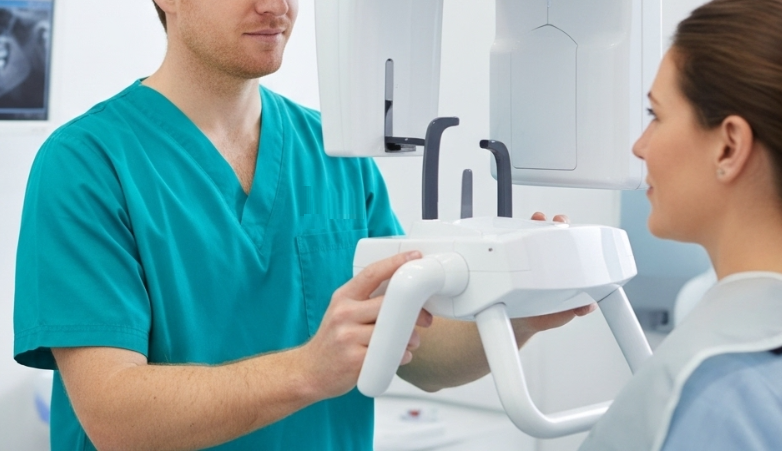
Dental X-rays are medical imaging scans that capture detailed pictures of teeth, gums, and jawbones. Dentists and general practitioners request these scans to detect oral health conditions that cannot be seen during a physical examination. At QLD Radiology Specialists, dental X-rays form an important part of accurate diagnosis and effective treatment planning.
What Are Dental X-Rays?
Dental X-rays are diagnostic imaging tests that use low-dose radiation to create images of oral structures. These scans highlight areas such as cavities, bone loss, impacted teeth, and jaw abnormalities. Unlike regular photographs, X-rays penetrate soft tissue and bone, making hidden issues visible.
Example: A small cavity between molars may remain invisible during a routine check-up but becomes clear on a bitewing X-ray.
visit: https://www.qldradiologyspecialists.com.au/radiology_services/dental-x-ray/
Features of Dental X-Rays
Dental X-rays include multiple features that make them valuable in clinical settings:
| Feature | Description | Example |
|---|---|---|
| Low radiation dose | Uses minimal radiation exposure compared to other scans | Digital X-rays reduce radiation by up to 80% compared to film |
| High image clarity | Produces detailed contrast between hard and soft tissue | Detects bone density changes in early gum disease |
| Multiple types available | Different formats for specific diagnostic needs | Bitewing, panoramic, periapical, occlusal |
| Fast procedure | Completed in less than 15 minutes | A bitewing set usually takes 5 minutes |
| Digital storage | Easily shared with dentists and specialists | GP referrals can access results online |
Functions of Dental X-Rays
Dental X-rays perform several clinical functions that support patient care:
-
Detection of cavities – Identifies decay between teeth and under fillings.
-
Assessment of bone health – Reveals early signs of periodontal disease.
-
Monitoring tooth development – Tracks growth of wisdom teeth and children’s permanent teeth.
-
Evaluation of trauma – Highlights fractures or injuries to the jawbone.
-
Planning treatments – Assists with braces, implants, or surgical procedures.
Example: An orthodontist planning braces requires panoramic X-rays to evaluate root alignment and jaw symmetry.
When Dental X-Rays Are Needed
Dental X-rays are needed when symptoms, risk factors, or treatment plans require detailed imaging.
Situations where X-rays are essential:
-
Routine check-ups – Adults usually require bitewing X-rays every 1–2 years, depending on risk factors.
-
New patient assessments – Baseline scans confirm overall oral health.
-
Children and adolescents – Detects tooth eruption patterns and early decay.
-
Pre-treatment planning – Ensures safe placement of implants, root canals, or wisdom tooth removal.
-
Emergency care – Identifies fractures, abscesses, or hidden infections.
Example: A patient with ongoing tooth pain may undergo a periapical X-ray to confirm infection at the root tip.
What Dental X-Rays Show
Dental X-rays provide clear insights into structures that are invisible during a routine dental exam.
Key findings include:
| Area | What It Shows | Example |
|---|---|---|
| Teeth | Cavities, cracks, and abnormalities | Early enamel decay between molars |
| Jawbone | Bone density, fractures, tumours | Bone loss in periodontal disease |
| Tooth roots | Infections, cysts, and abscesses | Abscess at root tip |
| Growth patterns | Wisdom teeth, orthodontic needs | Impacted wisdom teeth |
| Restorations | Fit and condition of fillings or crowns | Leakage under an old filling |
Pros and Cons of Dental X-Rays
Every medical procedure has benefits and limitations.
| Pros | Cons |
|---|---|
| Detects hidden problems early | Small radiation exposure |
| Supports precise treatment planning | May require repeat scans in complex cases |
| Quick and painless procedure | Can be uncomfortable for patients with gag reflex |
| Digital storage allows easy sharing | Not suitable for patients avoiding radiation, such as pregnant women |
Target Audience for Dental X-Rays
Dental X-rays are relevant for different patient groups:
-
Children – To monitor permanent tooth development and detect decay.
-
Teenagers – To assess orthodontic needs such as braces.
-
Adults – To detect gum disease, cavities, and bone loss.
-
Seniors – To monitor changes in bone density and root health.
Example: Children aged 6–12 often undergo bitewing scans to detect decay between newly erupted molars.
Situational Relevance: When a GP May Refer Patients
General practitioners often refer patients to radiology services when dental concerns link to broader health conditions.
-
Persistent headaches – May relate to jaw alignment problems visible on panoramic X-rays.
-
Diabetes management – Gum disease detected on X-rays can worsen diabetes control.
-
Injury assessment – Facial trauma requires jaw and tooth imaging.
At QLD Radiology Specialists, reports are shared directly with both GPs and dentists, ensuring clear communication across healthcare providers.
How Dental X-Rays Differ from Other Imaging
Dental X-rays differ from CT scans or MRIs because they target specific oral areas with minimal radiation.
| Imaging Type | Purpose | Example |
|---|---|---|
| Dental X-ray | Oral cavity, teeth, gums | Detects cavities and bone loss |
| CT Scan | Detailed 3D cross-sections | Used for complex jaw surgery planning |
| MRI | Soft tissue imaging | Detects nerve and muscle conditions |
Radiation Safety and Patient Comfort
Modern dental X-rays use digital sensors that significantly reduce radiation exposure. A single dental X-ray exposes a patient to about 0.005 millisieverts (mSv), compared to 0.08 mSv from a cross-country flight in Australia.
Protective lead aprons and thyroid collars further minimise exposure. The procedure itself is painless and completed in a few minutes.
visit: https://www.qldradiologyspecialists.com.au/
Conclusion
Dental X-rays are essential diagnostic tools that reveal conditions invisible to the naked eye. They detect cavities, monitor bone health, and support treatment planning for all age groups. General practitioners and dentists use these scans to improve accuracy in diagnosis and management.
QLD Radiology Specialists provides dental imaging with advanced digital technology, ensuring safe, precise, and timely results. By combining low radiation exposure with high-quality imaging, patients receive the clarity needed for effective dental and overall health care.

 English
 Arabic
 French
 Portuguese
 Deutsch
 Turkish
 Dutch
Dutch
 Italiano
 Russian
 Romaian
 Portuguese (Brazil)
 Greek
Greek
