


 Pro Benefits
 Σχετικά
 Όρους
Όρους
 Ιδιωτικότητα
 Child Safety & Protection
 Ειδοποιήσεις
 Ayrush Global It Services Pvt Ltd
Moisture Meter Buying Guide | Choosing the Right Device for Your Needs
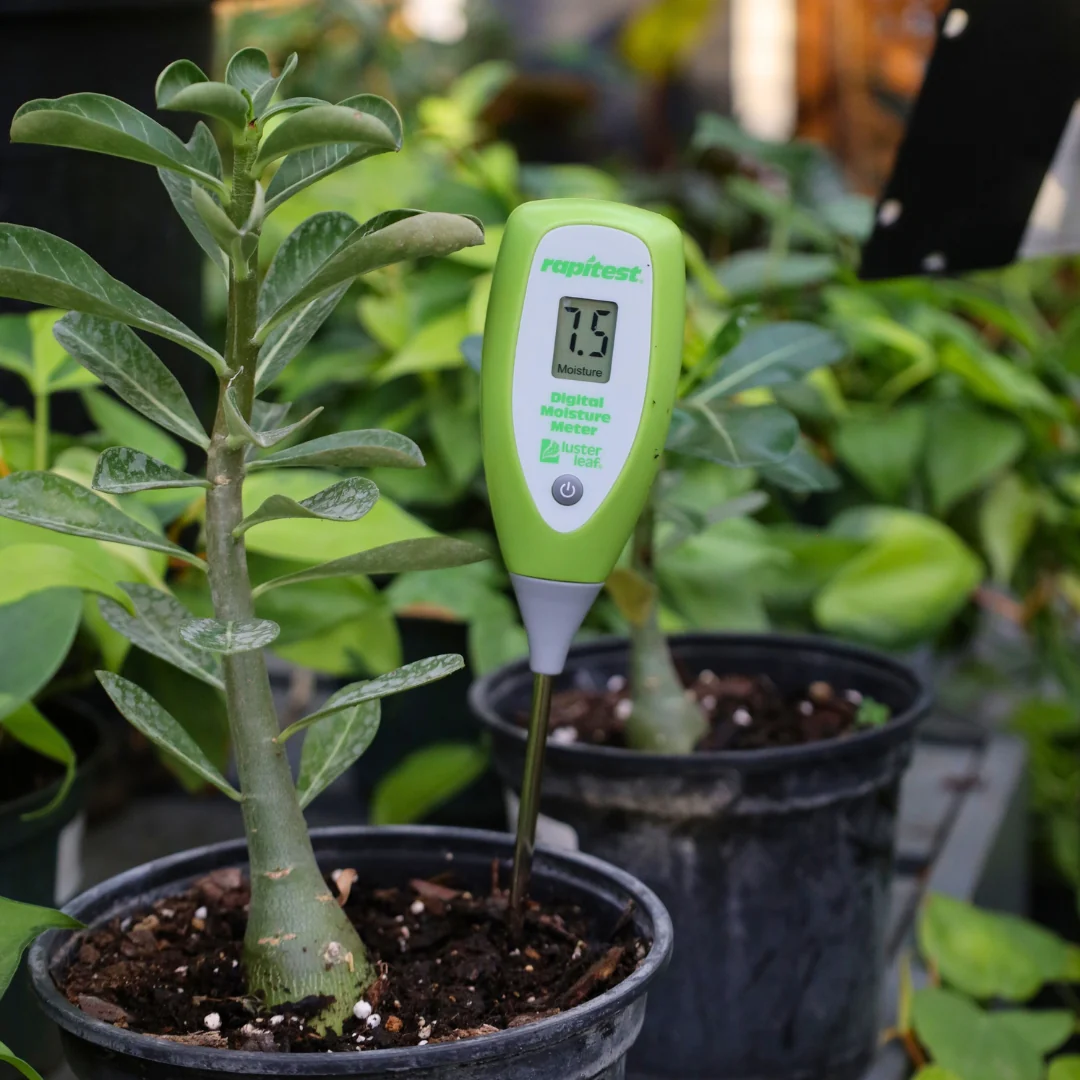
Moisture plays a crucial role in almost every material we encounter—whether it is wood, soil, concrete, textiles, or even food products. Excess moisture can cause structural weaknesses, mold growth, or decay, while insufficient moisture can reduce the quality and usability of certain materials. For this reason, having a tool that can measure moisture levels accurately is extremely important for professionals in construction, agriculture, flooring, restoration, and woodworking. The instrument designed for this purpose is the moisture meter, a compact yet powerful device that provides reliable insights into the water content of a material.
For those considering investing in one, understanding the features, applications, and benefits can make a big difference in choosing the right model. With a wide range of options available, selecting the most suitable device requires careful thought about its intended use, accuracy, and ease of operation.
Why Measuring Moisture Matters
Accurate Moisture Meter is not just about data; it’s about prevention, quality control, and safety. In construction, excess water in building materials can lead to warping, cracking, or mold infestation, potentially endangering the longevity of a structure. In agriculture, soil moisture management helps optimize irrigation, promoting healthier crops and conserving water. Similarly, in woodworking, ensuring that wood has reached the correct moisture level before use prevents future defects such as splitting or cupping.
Without reliable tools, professionals often have to rely on guesswork or physical signs, which can be misleading. This makes a moisture-reading device not only practical but essential for industries where precision matters.
Different Types of Devices Available
When looking for the right device, the first distinction to understand is the type of technology used. These tools generally fall into two categories: pin-type and pinless.
Pin-Type Devices
These models use two or more small probes that penetrate the surface of the material. By measuring electrical resistance between the pins, the device can provide accurate readings of the water content. They are especially useful for measuring layered materials, as readings can be taken at different depths. However, the small holes left by the pins may not be suitable for delicate finishes.
Pinless Devices
Pinless models use electromagnetic signals to detect water content without penetrating the surface. They are quick, non-destructive, and particularly helpful when scanning large areas. While they provide convenience and speed, their accuracy can be influenced by surface density or uneven textures.
Hybrid Models
Some advanced tools combine both methods, offering versatility for professionals who work with different materials and require both surface scanning and in-depth probing. These models are typically more expensive but provide maximum flexibility.
Key Features to Consider Before Buying
Accuracy and Calibration
For professionals, accuracy is paramount. Look for devices that can be calibrated easily to maintain consistent results. Some higher-end models include built-in calibration functions, ensuring that readings remain reliable over time.
Range of Measurement
The measurement range indicates how much water content the device can detect. Depending on the material you work with, you’ll want a tool that covers the relevant percentage range. For example, woodworkers often need to measure low moisture levels, while concrete specialists require a broader range.
Display and Readability
Modern devices often feature digital displays that provide clear, easy-to-read results. Backlit screens are especially useful in dimly lit environments, while analog models, although simple, may not provide as much detail.
Depth of Measurement
Pin-type models allow the dew point meter to operate at varying depths, which is crucial when working with layered materials like subfloors or drywall. Pinless models, on the other hand, usually measure only surface-level moisture.
Durability and Build Quality
Since these tools are often used on construction sites, farms, or workshops, durability is essential. A sturdy casing, shock resistance, and dust or water protection are features that can extend the life of the device.
Data Logging and Connectivity
Some advanced models allow data storage, Bluetooth connectivity, or integration with mobile apps. These features are particularly helpful for professionals who need to document readings over time or share results with clients.
Applications Across Industries
Construction and Flooring
Builders and flooring contractors rely heavily on accurate moisture measurement. Installing flooring materials like hardwood, laminate, or tiles over a damp subfloor can lead to costly failures. By checking subfloor moisture before installation, contractors can avoid potential issues and ensure warranty compliance.
Agriculture and Landscaping
Farmers and landscapers use moisture Meter devices to monitor soil conditions, ensuring optimal water distribution. Efficient water management not only conserves resources but also maximizes crop health and yield.
Woodworking and Carpentry
For woodworkers, maintaining the right water balance in timber is critical. Wood that has not been properly dried can warp, shrink, or expand after construction, damaging the finished product. By checking moisture levels before use, craftsmen can guarantee long-lasting quality.
Restoration and Mold Prevention
Restoration professionals often work in environments affected by flooding or leaks. In these situations, quick and accurate measurements help determine the extent of damage and guide drying efforts. Proper monitoring also prevents mold growth, which can pose serious health risks.
Homeowners and DIY Projects
Even outside professional industries, homeowners can benefit from these tools. From checking firewood dryness to ensuring basement walls are moisture-free, these devices can play a valuable role in everyday maintenance.
Tips for Choosing the Right Device
-
Define Your Purpose: Think carefully about your main application. A carpenter may prioritize accuracy in wood measurement, while a farmer may need soil-specific features.
-
Balance Price and Features: While budget-friendly models are available, investing in a higher-quality device often pays off in reliability and longevity.
-
Check for Industry Certifications: Professional-grade tools often come with certifications or are recommended by industry associations, ensuring dependable performance.
-
Test Before Purchase if Possible: Whenever possible, test the device on the materials you’ll be working with to ensure compatibility.
-
Look for Warranty and Support: A good warranty and accessible customer support can make ownership much more convenient.
Common Mistakes to Avoid
When selecting and using a Moisture Meter tool, there are some common pitfalls:
-
Relying on a Single Reading: Always take multiple readings in different spots, as moisture distribution may not be uniform.
-
Ignoring Calibration: Over time, devices can drift from accuracy. Regular calibration ensures consistent results.
-
Using the Wrong Device: Not every device is suitable for all materials. Choosing the wrong type can lead to misleading results.
-
Overlooking Environmental Factors: Temperature and humidity can influence readings, so consider these when interpreting results.
The Future of Moisture Measurement
With advancements in technology, the next generation of these devices is becoming more intelligent and user-friendly. Features such as wireless data transfer, cloud integration, AI-based analysis, and compatibility with smartphones are turning these tools into powerful systems rather than just standalone devices. This evolution benefits not only professionals but also hobbyists and homeowners, making moisture monitoring more accessible than ever before.
Conclusion
A reliable Moisture Meter device is more than a convenience—it is a necessity across multiple industries and household applications. By understanding the different types available, evaluating essential features, and identifying your specific needs, you can select a model that delivers accuracy, durability, and ease of use. Whether you are ensuring the stability of a building, preserving the quality of your crops, or crafting with precision, the right tool ensures peace of mind and professional results.
Making an informed decision today means avoiding costly mistakes tomorrow. With careful consideration and the right investment, you can choose a device that will serve you well for years to come.

 English
 Arabic
 French
 Spanish
 Portuguese
 Deutsch
 Turkish
 Dutch
Dutch
 Italiano
 Russian
 Romaian
 Portuguese (Brazil)
