


 Pro Benefits
 Environ
 Conditions générale de vente
 Confidentialité
 Child Safety & Protection
 Notifications
 Ayrush Global It Services Pvt Ltd
Microlearning Best Practises for Modern Learners
Introduction
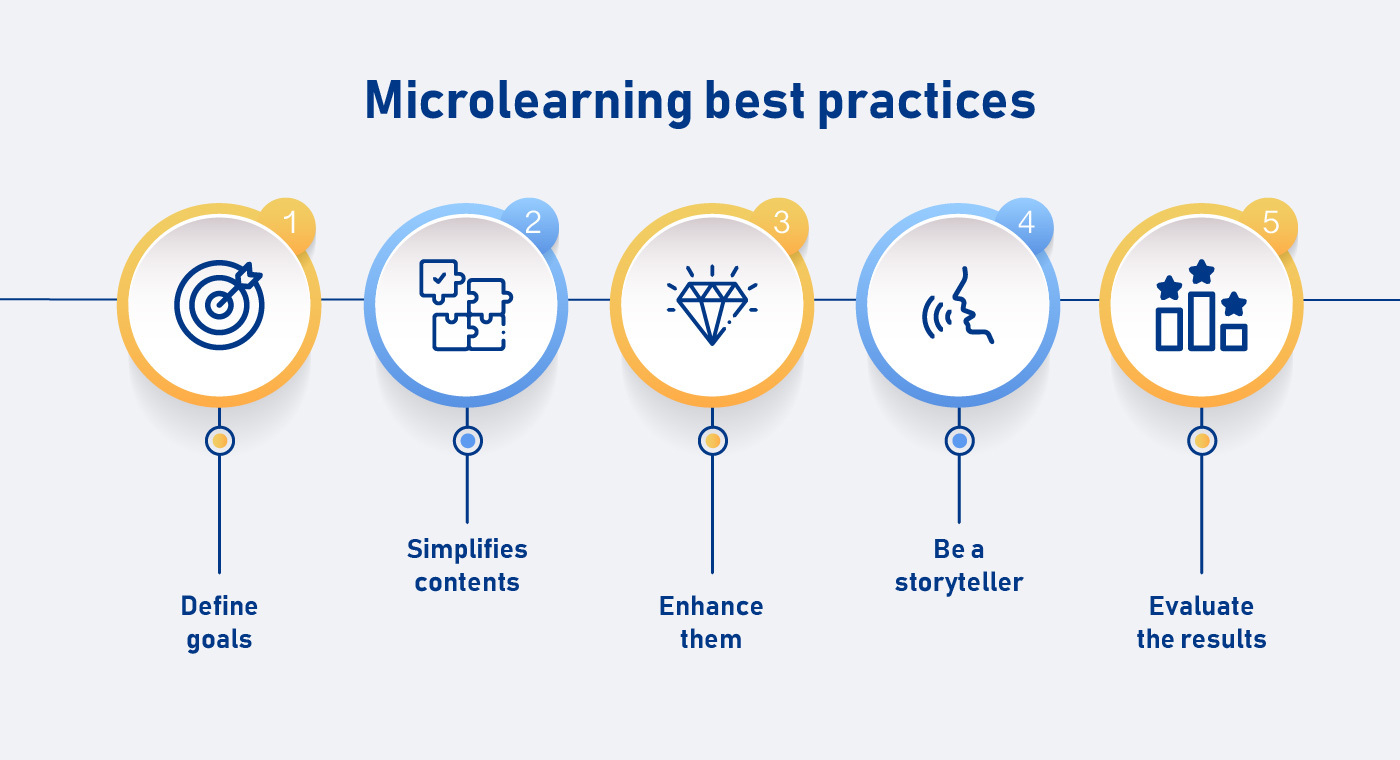
Microlearning best practises are becoming increasingly important as attention spans shrink and daily schedules become busier. People today prefer learning in short, focused bursts rather than sitting through long lectures or reading lengthy manuals.
When we talk about microlearning best practises, we are referring to practical ways to design short learning experiences that are meaningful, engaging, and easy to remember. It is not just about making content shorter—it is about making it smarter and more focused.
What Is Microlearning?
Microlearning is a learning approach where content is delivered in small, digestible units. Each lesson usually focuses on one specific concept or skill and can often be completed in five to ten minutes.
For example, instead of attending a one-hour training session on communication skills, learners might receive:
-
A 5-minute video on active listening
-
A short quiz on body language
-
A quick scenario-based exercise
-
A brief reflection task
These small pieces build knowledge gradually without overwhelming the learner.
Why Microlearning Works So Well
Microlearning fits naturally into modern lifestyles. Whether someone is a student, working professional, or entrepreneur, short lessons are easier to manage.
Here are a few reasons it works:
1. Better Focus
Short lessons reduce distractions. When learners know a task will only take a few minutes, they are more likely to stay attentive.
2. Higher Retention
Research shows that people remember information better when it is spaced out over time. Microlearning supports this through repetition and reinforcement.
3. Immediate Application
Because lessons are focused, learners can apply what they learn right away. For instance, after watching a short module on time management, someone can immediately reorganize their task list.
Key Microlearning Best Practises to Follow
Simply cutting long content into smaller pieces is not enough. Effective microlearning requires thoughtful planning. Here are some proven microlearning best practises to consider.
1. Focus on One Clear Objective
Each micro-lesson should have a single goal. Avoid combining multiple topics in one short session. For example, instead of teaching “digital marketing basics,” create separate modules for SEO, social media, and email marketing.
Clarity improves understanding and prevents confusion.
2. Keep Content Simple and Practical
Use plain language. Avoid complicated terms unless necessary. Include examples that learners can relate to.
For instance, in workplace training, instead of explaining “conflict resolution theory” in detail, present a short real-life scenario where two colleagues disagree and ask learners how they would respond.
3. Use Different Formats
Variety keeps learners engaged. Microlearning content can include:
-
Short videos
-
Infographics
-
Quick quizzes
-
Flashcards
-
Case studies
-
Interactive exercises
Mixing formats prevents boredom and supports different learning styles.
4. Encourage Active Participation
Microlearning should not be passive. Ask learners to reflect, answer questions, or complete small tasks.
For example, after a short lesson on goal setting, ask learners to write one SMART goal for the week. This simple action strengthens understanding.
5. Make It Easily Accessible
Learners should be able to access content anytime and anywhere. Mobile-friendly design is especially important. Many professionals prefer learning during short breaks or while commuting.
6. Reinforce and Repeat
Repetition is essential. Revisiting key ideas after a few days helps transfer knowledge into long-term memory.
For example, if a learner studies customer service skills on Monday, a quick quiz or reminder on Thursday helps reinforce the lesson.
Real-Life Example of Microlearning in Action
Consider a company onboarding new employees. Instead of giving them a full-day orientation session filled with information, the company divides the training into small modules over two weeks.
Day 1: Company values (5-minute video)
Day 2: Workplace policies (short interactive slides)
Day 3: Communication tools tutorial
Day 4: Data security basics
Day 5: Quick assessment
Employees absorb information gradually, ask questions along the way, and feel less overwhelmed.
Similarly, students preparing for exams can review one concept at a time using flashcards or short quizzes rather than reading entire chapters in one sitting.
Common Mistakes to Avoid
While microlearning is simple in concept, there are some common mistakes:
-
Making lessons too vague
-
Ignoring learning objectives
-
Overloading short sessions with too much information
-
Skipping follow-up or reinforcement
Keeping lessons focused and purposeful ensures that microlearning remains effective.
Is Microlearning Suitable for Everyone?
Microlearning works particularly well for:
-
Skill-based training
-
Language learning
-
Technical tutorials
-
Soft skills development
-
Continuous professional development
However, for deep theoretical subjects, longer sessions may still be necessary. The key is to combine both methods wisely.
Final Thoughts
Understanding and applying microlearning best practises can make a significant difference in how people absorb and retain knowledge. In a fast-moving world where time is limited, short and focused learning experiences feel more realistic and achievable.
Microlearning is not about reducing quality; it is about improving clarity and efficiency. By keeping lessons simple, focused, interactive, and accessible, learners can build knowledge step by step without feeling overwhelmed.
 French
 English
 Arabic
 Spanish
 Portuguese
 Deutsch
 Turkish
 Dutch
Dutch
 Italiano
 Russian
 Romaian
 Portuguese (Brazil)
 Greek
Greek
