


 Pro Benefits
 About
About
 Termini e Condizioni
 Privacy
 Child Safety & Protection
 Notifiche
 Ayrush Global It Services Pvt Ltd
How Golf Simulators Are Changing Sports Training at Home
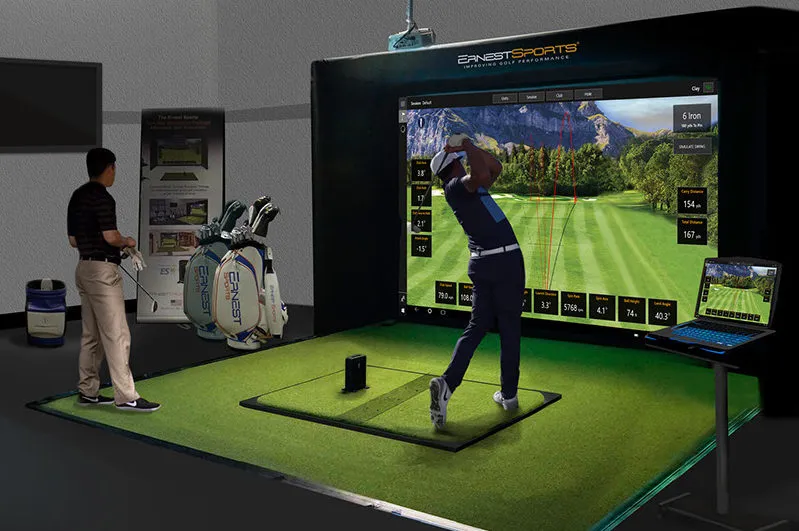
Sports training has always been shaped by access, equipment, and time. In the past, athletes had to rely on open fields, professional coaches, and expensive gear to practice effectively. For many, this created barriers to progress. Now, with the rise of sports technology, training has entered a new era. One of the most impressive examples of this shift is the golf simulator.
Golf simulators are changing the way people practice by creating a realistic, convenient, and fun experience right at home. What used to require hours at the driving range or golf course can now be done in your garage, living room, or basement. This change is not only making golf more accessible but also reshaping the way athletes and hobbyists approach sports training in general.
Why Golf Simulators Are Gaining Popularity
Golf has long been seen as a sport of patience and precision. But it also requires significant time and resources. A single round of golf can take four to five hours, and that’s before factoring in travel time. For busy professionals, parents, or students, that commitment is not always realistic.
Golf simulators solve this challenge by bringing the course indoors. Players can practice for 20 minutes in the evening or squeeze in a quick round during lunch breaks. Instead of waiting for ideal weather, they can play anytime, regardless of rain, wind, or snow. This freedom has made golf simulators a game-changer for people who love the sport but struggle with time or access.
How They Work
At first glance, a golf simulator might seem like a simple screen and projector, but the technology goes much deeper. Modern systems use high-speed cameras, motion sensors, radar, and even infrared tracking to capture every detail of a player’s swing. When the ball is hit, the system calculates data such as:
-
Swing speed
-
Ball speed
-
Launch angle
-
Spin rate
-
Carry distance
-
Accuracy and direction
This information is instantly displayed on the screen, where a digital version of the ball travels across a simulated golf course. Players can choose from famous courses around the world, practice drills, or compete in skill challenges. The combination of entertainment and detailed analysis makes simulators both fun and effective for training.
Saving on Golf Simulator Gear
There’s no denying that golf simulators can be an investment. High-end systems can cost thousands of pounds, making them feel out of reach for many players. However, it’s possible to save money with the right approach. Platforms like SimSpace voucher codes provide access to deals on simulator setups and equipment. By taking advantage of these offers, golfers can build a training space at home without overspending. This makes it easier to enjoy the benefits of the technology while keeping costs under control.
Benefits Beyond Golf
The positive effects of golf simulators extend beyond improving one’s swing. Practicing at home builds consistency, which is a cornerstone of athletic progress. Instead of practicing once a week, players can train daily in short, manageable sessions. Over time, this consistency leads to noticeable improvements in technique and confidence.
Simulators also create opportunities for family involvement. Parents can introduce their children to the sport in a relaxed, safe environment, while friends can enjoy casual rounds without worrying about course fees or weather conditions. This social aspect makes simulators not just a training tool but also a source of entertainment.
Accessibility for All Skill Levels
Golf simulators are not only for professionals or advanced players. Beginners can benefit greatly from them because they remove the pressure of crowded driving ranges. Instead of worrying about others watching, new players can learn at their own pace in the comfort of their homes.
For advanced players, simulators offer in-depth analysis that can highlight areas for improvement. Small details like grip, swing path, or ball spin are often overlooked on a real course but become clear with simulator feedback. This makes simulators a valuable resource for golfers at every stage of their journey.
How Simulators Improve Sports Training
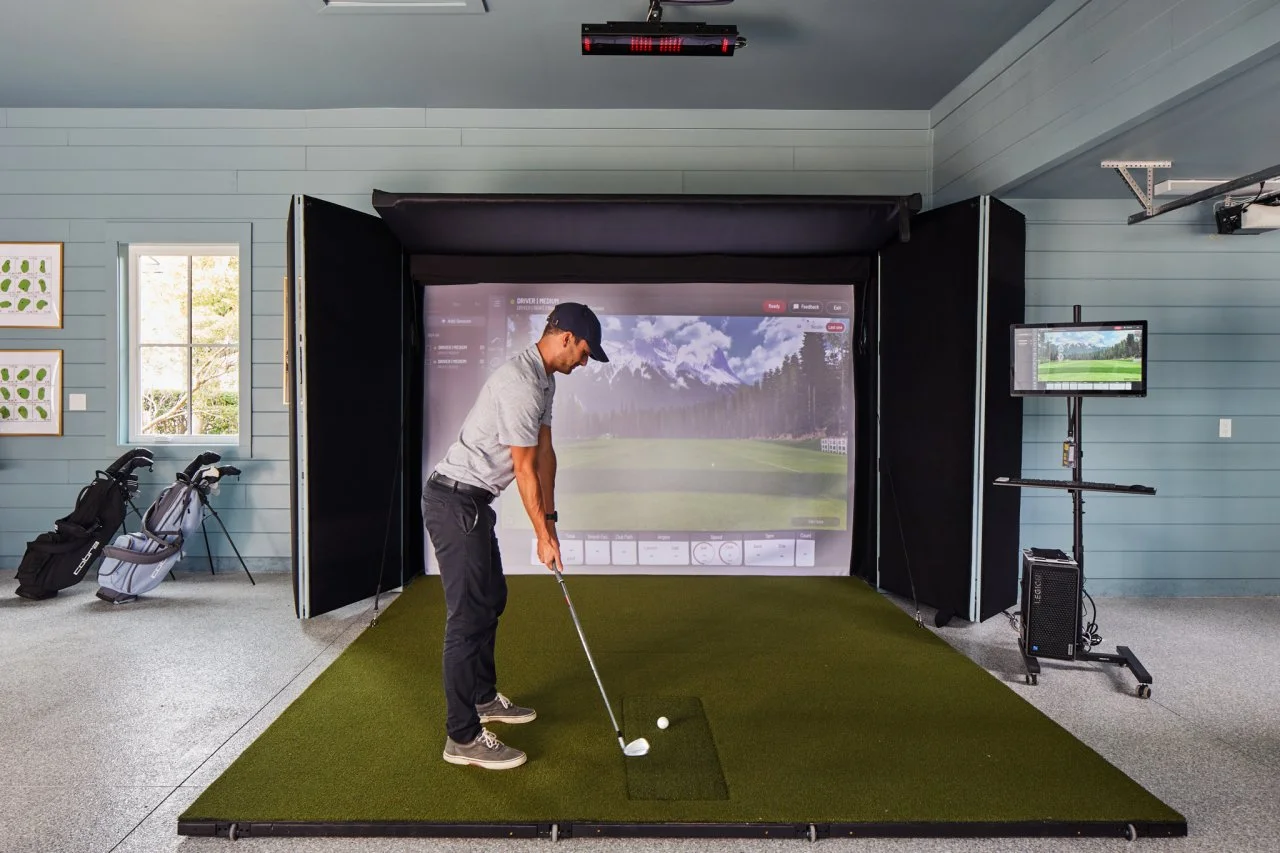
Sports training is built on repetition and feedback. Simulators provide both. A player can take dozens of swings in a short time, instantly seeing the results and adjusting their technique. Unlike traditional practice, where feedback may rely on guesswork, simulators deliver measurable data.
This method aligns with modern training principles used in other sports. Footballers use video analysis, runners track their times with GPS, and tennis players review slow-motion swings. Golf simulators fit into this trend by combining physical practice with technological feedback, creating a more effective training cycle.
Technology Behind the Experience
The technology that powers golf simulators is constantly evolving. Early versions were limited to basic ball tracking and simple graphics. Today, players can expect:
-
High-definition graphics that make virtual courses nearly lifelike
-
Artificial intelligence coaching to suggest improvements
-
Multiplayer options to compete with friends online
-
VR integration that immerses players in a 360-degree golf course
These innovations are pushing simulators beyond practice tools and turning them into full sports experiences.
Cost vs. Value
Some may argue that simulators are too expensive, but the value they provide is undeniable. Consider the costs of regular golf: green fees, travel, and memberships quickly add up. A simulator, while initially an investment, can save money over time by reducing the need for constant course visits. For families or groups of friends, sharing the system makes it even more cost-effective.
Real-Life Applications Beyond Sports
Interestingly, golf simulators are also finding uses outside of sports. For example, physical therapists use them to help patients recover from injuries, focusing on balance and controlled movements. Businesses are also using simulators as entertainment at corporate events, blending leisure with networking. These additional applications highlight the versatility of the technology.
The Future of Home Sports Training
Looking ahead, the role of simulators in sports training is expected to grow. As technology becomes more affordable and accessible, more households will adopt it. Just as fitness apps and wearable devices have become common, home training systems like golf simulators could soon be a standard part of athletic lifestyles.
Insights from Equipment Testers
Golf Digest’s Hot List: Meet the Testers offers a behind-the-scenes look at how professional testers evaluate the newest clubs and equipment. Their rigorous testing process, assessing performance, feel, durability, and innovation, shows why it’s worth trusting established brands when choosing gear. This insight reinforces the value of investing in quality over settling for bargain items that may not hold up in real-world conditions.
Conclusion
Golf simulators have changed the way people approach sports training. They offer convenience, detailed feedback, and an enjoyable experience that suits busy lifestyles. From beginners to professionals, everyone can benefit from this technology. With options to save on equipment and innovations on the horizon, golf simulators are shaping the future of home sports practice.
 Italiano
 English
 Arabic
 French
 Spanish
 Portuguese
 Deutsch
 Turkish
 Dutch
Dutch
 Russian
 Romaian
 Portuguese (Brazil)
 Greek
Greek
