


 Pro Benefits
 About
About
 Terms
Terms
 Privacy
 Child Safety & Protection
 Notifications
 Ayrush Global It Services Pvt Ltd
How Helical Pile Blade Geometry Impacts Load-Bearing Capacity
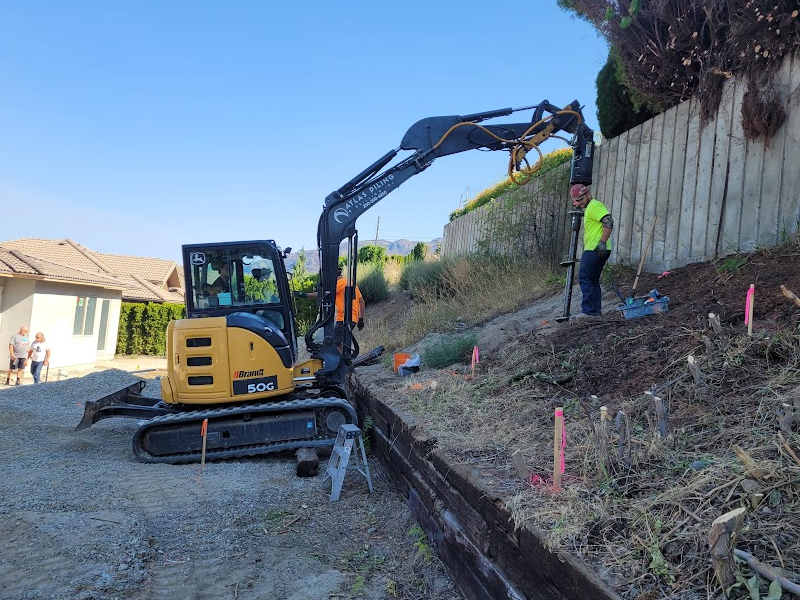
The performance of helical piles in construction projects depends heavily on their design, particularly the geometry of the blades. While installation techniques and soil conditions play a role, the shape, diameter, and pitch of the blades directly affect the pile’s load-bearing capacity. Engineers and contractors increasingly recognize that subtle variations in blade design can lead to significant differences in structural stability and long-term reliability.
Blade Diameter and Load Distribution
One of the most influential aspects of a helical pile driver is the diameter of the blades. Larger blade diameters generally increase the surface area in contact with soil, enhancing lateral friction and overall stability. This expansion of contact area distributes the applied load more evenly along the length of the pile, reducing stress concentrations that could lead to structural failure. For construction projects in regions with soft or compressible soils, selecting a helical pile with appropriately sized blades can prevent excessive settlement and improve the pile’s performance over time.
Helix Pitch and Soil Engagement
The spacing between blades, often referred to as pitch, also plays a critical role in load capacity. A tighter pitch allows for more blades to engage with the soil, increasing the helical pile’s resistance to vertical loads. Conversely, a wider pitch may reduce the overall number of blades in contact with the soil at a given depth, which could lower the pile’s bearing capacity. Engineers must carefully match the blade pitch to the soil type and the expected load to maximize efficiency during installation while maintaining long-term stability.
Blade Thickness and Structural Integrity
The thickness of the blades contributes not only to load-bearing performance but also to durability. Thicker blades can withstand higher torsional forces during installation, reducing the risk of deformation when a helical pile driver is used. In areas where soil contains significant gravel or rock fragments, thicker blades are less prone to bending or cracking, ensuring the foundation remains secure. Additionally, the combination of blade thickness and diameter determines how well the helical pile resists lateral movement under dynamic loads, such as wind or minor seismic activity.
Installation Efficiency and Torque Considerations
The geometry of blades directly influences the amount of torque required during installation. Helical piles with well-optimized blade design can penetrate soil efficiently while minimizing the load on machinery. For contractors operating in colder climates or regions with dense soil layers, understanding the interaction between blade geometry and installation torque is crucial. Selecting a pile that balances penetration efficiency with structural performance reduces equipment wear and project delays, leading to more predictable outcomes.
Customizing Blade Design for Site Conditions
Tailoring blade geometry to site-specific conditions is becoming standard practice for modern foundation projects. For example, in cohesive clay soils, wider blades with moderate pitch can improve lateral resistance, whereas sandy soils benefit from narrower, more closely spaced blades to enhance vertical bearing capacity. Consulting soil reports and testing pile prototypes under actual site conditions allows engineers to fine-tune blade geometry, ensuring the helical pile driver achieves both efficiency and safety targets.
The geometry of helical pile blades is a decisive factor in foundation performance. By considering blade diameter, pitch, and thickness, as well as installation torque requirements, engineers can optimize the load-bearing capacity of piles while reducing risks during installation. Thoughtful design adjustments to blade geometry ensure that projects remain stable, durable, and efficient, even under challenging soil conditions.
For More Information About Drilling Company Okanagan Valley and Piling Services Bc Please Visit: ATLAS PILING.

 Arabic
 French
 Spanish
 Portuguese
 Deutsch
 Turkish
 Dutch
Dutch
 Italiano
 Russian
 Romaian
 Portuguese (Brazil)
 Greek
Greek
