


 Pro Benefits
 Σχετικά
 Όρους
Όρους
 Ιδιωτικότητα
 Child Safety & Protection
 Ειδοποιήσεις
 Ayrush Global It Services Pvt Ltd
Role of FRP Tanks in Modern Wastewater Treatment
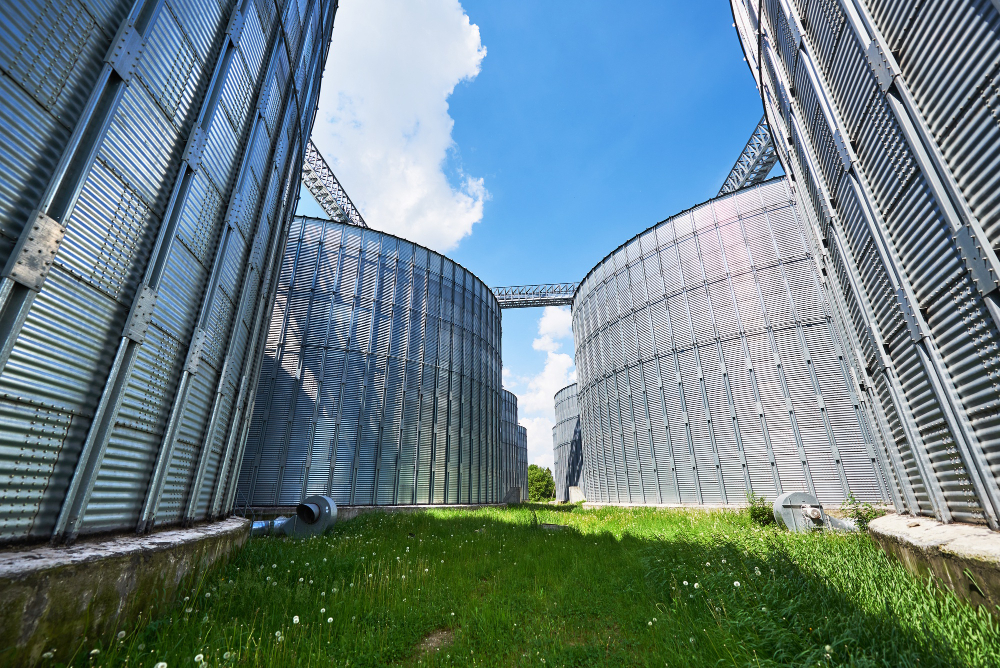
Fiberglass Reinforced Plastic tanks serve as a primary storage solution for many treatment plants. FRP Tanks provide a durable way to manage corrosive liquids during the cleaning process. These tanks consist of a mix of resin and glass fibers. Manufacturers create a strong material that resists rust and chemical wear. This strength makes them a reliable choice for long-term use in harsh environments.
Wastewater contains many chemicals that can damage metal surfaces over time. Metal tanks often develop rust when they touch acidic or alkaline waste. FRP materials do not react to most chemicals found in sewage or industrial runoff. This resistance keeps the liquid inside the tank without risk of leaks. Plants can store waste for long periods without worrying about structural failure.
Physical Strength and Weight Advantages
The weight of a storage vessel affects how easily a crew can install it. Fiberglass tanks weigh much less than steel or concrete alternatives. This light weight allows for faster transport to the job site. Workers use smaller cranes and fewer tools to set them in place. This speed helps projects finish on time without extra labor costs.
Heavy concrete tanks often crack when the ground beneath them shifts or settles. Fiberglass has a slight flexibility that allows it to handle small ground movements. This flexibility prevents the walls from snapping under the weight of the soil. It makes the tanks a safe choice for areas with soft or sandy dirt. The structure stays whole even when the environment around it changes.
Design Versatility for Treatment Plants
Most wastewater systems need custom shapes to fit into tight spaces. Makers can mold fiberglass into many sizes and configurations. Some tanks sit above the ground while others go deep into the earth. Engineers choose the best shape to handle the flow of water. Custom designs help the plant run at its best capacity every day.
Internal baffles and walls can be added during the building process. These parts help direct the flow of water inside the tank. Proper flow helps solid waste settle to the bottom more effectively. It also helps the chemicals mix better during the cleaning stages. Having a custom interior makes the whole treatment system more efficient.
Ease of Cleaning and Care
Maintenance teams spend less time fixing fiberglass than they do with steel. Metal requires frequent painting or coating to stop corrosion from spreading. Fiberglass has a smooth inner surface that stops grime from sticking. A smooth surface also prevents bacteria from building up in corners. Operators simply wash the interior to keep the system working well.
Small cracks in a tank can lead to big leaks if left alone. Fiberglass is easy to patch if a physical accident causes a hole. A worker can apply new resin and glass cloth to the damaged spot. The patch bonds tightly to the original wall and restores full strength. This quick fix keeps the tank in service without a long shutdown.
Cost Savings Over Time
Cost remains a factor for every municipal or private treatment project. While the initial price varies, the long-term value stays high. These tanks last for decades without needing major repairs or parts. Low upkeep costs save money for the facility over the entire life of the unit. Choosing durable materials reduces the need for expensive replacements later.
Transporting heavy materials costs a lot of money in fuel and specialized trucks. Light tanks reduce these shipping fees because they are easier to move. A single truck can often carry more than one unit at a time. This lower shipping cost helps keep the total project budget under control. Savings during the start of a project help fund other parts of the plant.
Environmental Safety Standards
Leaks from waste tanks can poison the local soil and groundwater. Fiberglass tanks have high wall strength that prevents cracks and leaks. This safety feature keeps hazardous waste away from the local drinking water. It helps the facility meet all safety rules set by the local government. Keeping the waste contained protects the plants and animals in the area.
Odors from sewage can cause problems for people living near a plant. Fiberglass tanks can be built with airtight lids to trap bad smells inside. These lids fit tightly and do not warp or gap over time. Trapping these gases keeps the air clean for the workers and neighbors. It makes the treatment plant a better neighbor to the local community.
Supporting Modern Infrastructure
Modern plants face many challenges with growing populations and more waste. Reliable storage is a part of keeping the environment clean for everyone. FRP Tanks offer a safe way to handle the liquids that cities produce. Using these tanks helps keep the water treatment process steady and safe. Strong infrastructure supports the health of the community and the surrounding land.
Key Takeaway
Fiberglass tanks provide a strong and light option for storing waste. They resist chemicals and last longer than traditional metal or concrete structures. These features make them a smart choice for modern water treatment needs.

 English
 Arabic
 French
 Spanish
 Portuguese
 Deutsch
 Turkish
 Dutch
Dutch
 Italiano
 Russian
 Romaian
 Portuguese (Brazil)
