


 Pro Benefits
 About
About
 Términos
 Privacidad
 Child Safety & Protection
 Notificaciones
 Ayrush Global It Services Pvt Ltd
An Analysis of Legal Billing Software for Solo Practitioners
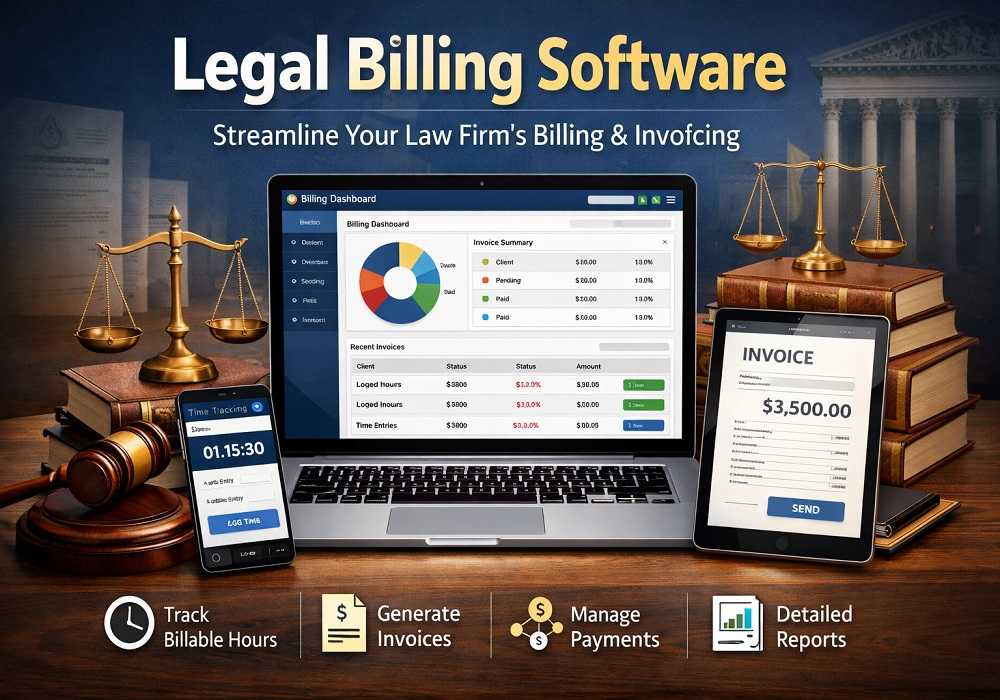
Running a solo law practice means wearing multiple hats—attorney, accountant, administrator, and sometimes IT support. Among these responsibilities, billing is one of the most time-consuming and risk-prone tasks. For many solo practitioners, manual invoicing or generic accounting tools can lead to lost revenue, compliance issues, and unnecessary stress. This is where legal billing software becomes not just helpful, but essential.
This analysis explores how legal billing software supports solo practitioners, what features matter most, and how to choose the right solution for a small, independent practice.
Why Billing Is a Unique Challenge for Solo Practitioners
Unlike large firms with dedicated billing departments, solo practitioners manage everything themselves. That includes tracking billable hours, generating invoices, handling trust accounts, and ensuring compliance with ethical rules.
Common challenges include:
-
Inconsistent time tracking that leads to underbilling
-
Difficulty separating trust and operating funds
-
Delayed invoices that disrupt cash flow
-
Limited time to follow up on unpaid bills
Legal billing software is designed specifically to address these pain points while fitting into the fast-paced reality of solo practice.
What Is Legal Billing Software?
Legal billing software is a specialized tool that helps attorneys track time, manage client invoices, and process payments in a way that aligns with legal industry requirements. Unlike general invoicing tools, it supports billable activities, retainers, trust accounting, and detailed audit trails.
For solo practitioners, the value lies in automation and accuracy—reducing administrative work while increasing transparency for both attorney and client.
Key Features Solo Practitioners Should Look For
Time Tracking That Fits Real Legal Workflows
Effective legal billing software allows time tracking in real time or after the fact, often broken down by client, matter, and task. This helps ensure every billable minute is captured—even short phone calls or quick emails that are easy to forget.
Real-world example:
A solo family law attorney who switches from manual spreadsheets to built-in time tracking often discovers they were underbilling by several hours each week.
Flexible Billing Options
Solo practitioners serve a wide range of clients and fee structures. Look for legal billing software that supports:
-
Hourly billing
-
Flat fees
-
Contingency tracking
-
Retainers and trust balances
Flexibility allows you to adapt billing to each matter without creating workarounds.
Trust Accounting and Compliance Support
Trust accounting errors can lead to serious ethical consequences. Quality legal billing software includes safeguards that prevent commingling funds and provide clear records for audits.
This feature is especially critical for solo practitioners who don’t have a second set of eyes reviewing transactions.
Professional, Transparent Invoicing
Clear invoices improve client satisfaction and reduce disputes. Legal billing software typically generates itemized invoices that show exactly what work was performed, when, and why.
Clients who understand their bills are more likely to pay on time—and less likely to question charges.
How Legal Billing Software Improves Cash Flow
One of the most immediate benefits solo practitioners notice is improved cash flow. Automated invoicing, payment reminders, and online payment options shorten the time between completing work and getting paid.
Actionable tip:
Set a recurring weekly billing schedule instead of monthly. Legal billing software makes this easy and can significantly reduce outstanding balances.
SEO and Business Growth Benefits
While billing may feel like a back-office function, it directly impacts your firm’s growth. Consistent billing data helps you:
-
Identify your most profitable practice areas
-
Understand where time is being lost
-
Make informed decisions about pricing
Legal billing software turns billing from a reactive task into a strategic tool.
Choosing the Right Legal Billing Software as a Solo Practitioner
When evaluating options, solo practitioners should prioritize:
-
Ease of use (minimal learning curve)
-
Cloud access for remote work
-
Scalability as your practice grows
-
Reliable customer support
Avoid overpaying for features designed for large firms. The best legal billing software for solo practitioners is focused, efficient, and intuitive.
Final Thoughts
For solo practitioners, time is the most valuable asset. Legal billing software protects that time by reducing administrative burdens, improving accuracy, and supporting ethical compliance. More importantly, it creates a smoother experience for clients—building trust and professionalism from the first invoice to the last payment.
Investing in the right legal billing software isn’t just about getting paid faster. It’s about building a sustainable, well-run practice that allows you to focus on what matters most: practicing law with confidence and clarity.

 English
 Arabic
 French
 Portuguese
 Deutsch
 Turkish
 Dutch
Dutch
 Italiano
 Russian
 Romaian
 Portuguese (Brazil)
 Greek
Greek
