


 Pro Benefits

 الشروط
 الخصوصية
 Child Safety & Protection
 الإشعارات
 Ayrush Global It Services Pvt Ltd
Unlocking Efficiency with an Office Space Planning Guide
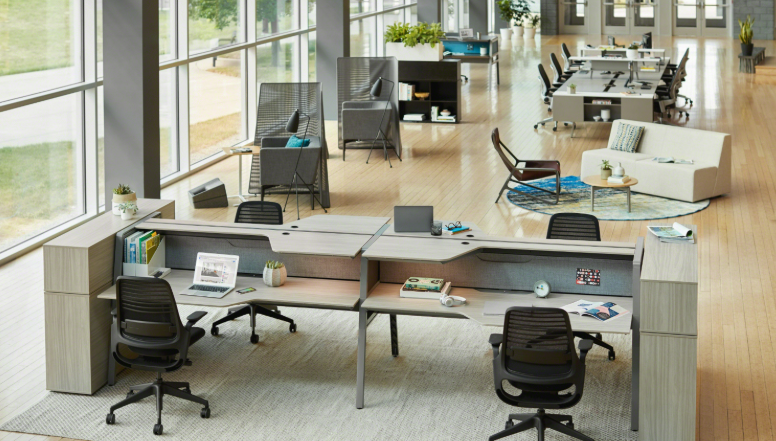
An office space planning guide is essential for businesses aiming to maximize productivity, foster collaboration, and create an engaging work environment. Effective office space planning goes beyond arranging desks and chairs—it involves strategic design, workflow optimization, and creating a space that aligns with company culture and employee needs. With the right approach, businesses can transform their office into a dynamic, efficient, and inspiring workspace.
The Importance of Office Space Planning
Office space planning is a critical factor in determining how efficiently a business operates. A well-organized office promotes smooth workflow, reduces unnecessary movement, and creates a comfortable environment where employees can focus on their tasks. Conversely, poorly planned spaces can lead to wasted time, distractions, and even physical strain from cramped or poorly designed workstations.
By using a structured office space planning guide, businesses can ensure that every square foot is utilized effectively, supporting both employee productivity and overall company growth.
Key Principles of Effective Office Space Planning
A comprehensive office space planning guide focuses on several key principles:
-
Ergonomics and Comfort: Workspaces should prioritize employee health by incorporating ergonomic chairs, adjustable desks, and proper lighting. Comfortable employees are more focused, productive, and satisfied.
-
Workflow Optimization: Efficient office layouts reduce unnecessary movement and streamline communication. For example, placing related departments close to each other enhances collaboration.
-
Flexibility and Adaptability: Modern offices require flexibility to accommodate changing team sizes and evolving project needs. Modular furniture and movable partitions allow spaces to be reconfigured quickly.
-
Collaboration and Privacy: While open spaces encourage interaction, employees also need quiet zones for focused work. Balancing collaboration areas with private spaces is crucial.
-
Technology Integration: Offices must support seamless connectivity, including proper cable management, charging stations, and tech-enabled meeting rooms.
Adhering to these principles ensures a workspace that is functional, attractive, and conducive to productivity.
Steps to Create an Effective Office Space Plan
Implementing an office space planning guide requires a structured approach. Here are the essential steps:
-
Assess Your Needs: Evaluate your current and future workforce, workflow patterns, and departmental requirements. Consider the types of tasks employees perform and the resources they need.
-
Measure the Space: Accurate measurements of your office area are critical. Include walls, windows, doors, and other fixed elements that will influence furniture placement.
-
Design the Layout: Create zones for different purposes—collaboration, focused work, meetings, and relaxation. Use modular furniture to allow for future changes.
-
Incorporate Ergonomics: Choose furniture and office elements that support employee health, such as adjustable chairs, sit-stand desks, and anti-fatigue mats.
-
Plan for Technology: Ensure that all spaces are equipped for connectivity, including wired and wireless solutions, video conferencing setups, and device charging stations.
-
Optimize for Flow: Ensure employees can move freely between workstations, meeting areas, and amenities without congestion or disruption.
-
Include Storage Solutions: Efficient storage reduces clutter and keeps the workspace organized, making it easier for employees to focus.
Following these steps makes office space planning a structured and effective process that delivers long-term benefits.
The Role of Ergonomics in Office Space Planning
Ergonomics is a cornerstone of any office space planning guide. Poor ergonomics can lead to discomfort, decreased productivity, and even long-term health problems. Incorporating ergonomic solutions such as adjustable chairs, height-variable desks, and supportive accessories ensures that employees can work comfortably for extended periods.
In addition, ergonomic layouts improve workflow by reducing the time spent adjusting workstations or managing discomfort. Employees who feel physically supported are more engaged, efficient, and likely to enjoy a positive work environment.
Designing for Collaboration and Productivity
Collaboration is a key component of modern workplaces. Office space planning should prioritize areas where teams can come together to brainstorm, discuss, and share ideas. Open workstations, communal tables, and meeting pods facilitate spontaneous discussions and team cohesion.
At the same time, productivity-focused areas are equally important. Quiet zones, private offices, and focus pods allow employees to concentrate on tasks without distractions. A well-balanced office layout supports both collaborative energy and individual productivity.
Trends in Modern Office Space Planning
Several trends are shaping office space planning today:
-
Activity-Based Workspaces: Offices are now designed with specific zones for different tasks, such as collaborative areas, quiet focus zones, and social spaces.
-
Sustainable Design: Eco-friendly furniture and energy-efficient lighting are increasingly integrated into office plans, supporting corporate responsibility goals.
-
Biophilic Elements: Incorporating plants, natural light, and natural materials improves mood, reduces stress, and enhances employee well-being.
-
Tech-Enabled Spaces: Offices now integrate technology seamlessly, from smart desks to multimedia-enabled conference rooms.
-
Flexible Layouts: Modular and adaptable furniture allows offices to change according to team growth or project requirements.
Keeping up with these trends ensures that your office remains modern, functional, and appealing to employees and visitors alike.
How KV Workspace Supports Office Space Planning
Planning an office layout can be overwhelming, especially for growing businesses. KV Workspace specializes in office space planning services that combine design expertise, ergonomic solutions, and high-quality furniture. Their team works closely with businesses to understand workflow, employee needs, and brand identity, ensuring every office space is both functional and inspiring.
From modular workstations and ergonomic chairs to collaborative zones and private meeting areas, KV Workspace provides comprehensive office solutions tailored to modern corporate requirements. By partnering with KV Workspace, businesses gain access to professional guidance and high-quality products that optimize both productivity and employee satisfaction.
Benefits of Professional Office Space Planning
Investing in professional office space planning offers numerous advantages:
-
Enhanced Productivity: Thoughtful layouts and ergonomic furniture streamline workflows and reduce distractions.
-
Employee Well-Being: Comfortable, health-conscious workspaces minimize fatigue and support long-term wellness.
-
Efficient Collaboration: Strategically designed collaboration zones foster creativity and teamwork.
-
Cost-Effective Solutions: Optimized layouts make better use of space, reducing unnecessary renovations or furniture purchases.
-
Positive Brand Image: A well-designed office reflects professionalism and organizational values to clients and visitors.
Professional office space planning is a strategic investment that delivers measurable returns through improved employee performance, satisfaction, and operational efficiency.
Planning for the Future of Work
As work models continue to evolve, office space planning becomes increasingly strategic. Hybrid work arrangements, technological integration, and changing workforce needs require flexible and forward-thinking solutions. Offices must accommodate collaboration, focus, and social interaction while remaining adaptable to future growth.
KV Workspace stays ahead of these trends by providing office planning solutions that anticipate future requirements, ensuring workspaces remain efficient, attractive, and relevant for years to come. Their expertise allows businesses to create offices that empower employees, reflect their culture, and support long-term success.
Conclusion
An office space planning guide is more than a layout—it's a blueprint for efficiency, productivity, and employee satisfaction. By strategically designing workspaces, businesses can optimize workflow, encourage collaboration, and create an environment where employees thrive.
Partnering with KV Workspace ensures access to professional office space planning expertise, high-quality furniture, and tailored solutions that meet the unique needs of your organization. Investing in thoughtful office space planning is a strategic decision that pays off in employee engagement, operational efficiency, and a strong corporate image.

 English
 French
 Spanish
 Portuguese
 Deutsch
 Turkish
 Dutch
Dutch
 Italiano
 Russian
 Romaian
 Portuguese (Brazil)
 Greek
Greek
