


 Pro Benefits
 Environ
 Conditions générale de vente
 Confidentialité
 Child Safety & Protection
 Notifications
 Ayrush Global It Services Pvt Ltd
Heat Retention Strategies in Pizza Packaging
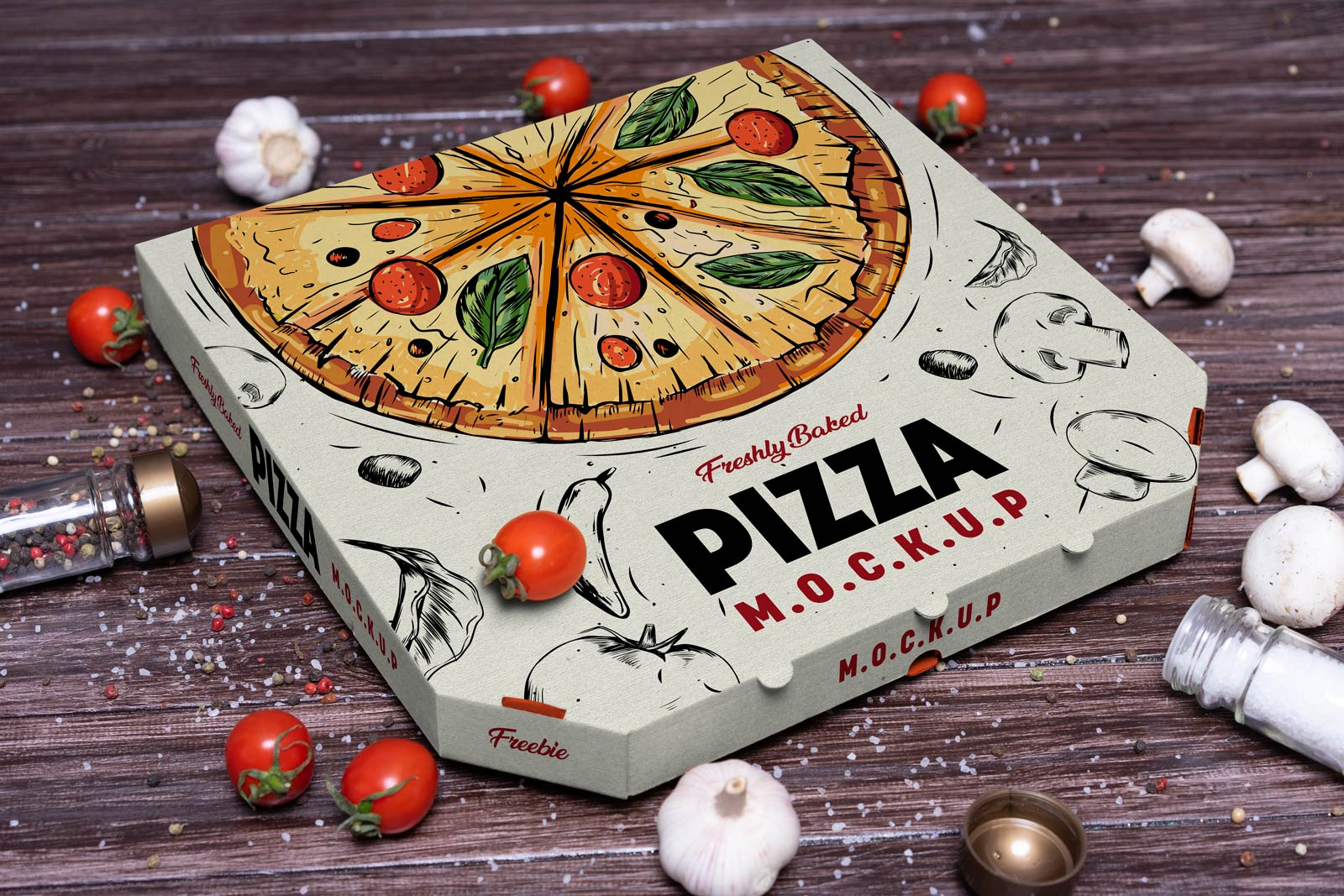
Pizza arrives hot, melty, and ready to delight. But keeping that temperature until it reaches the customer is a real challenge. Effective packaging helps maintain heat, avoid sogginess, and preserve flavor. Below are key strategies you can deploy in designing pizza boxes and delivery systems.
Insulating Materials and Layered Construction
To slow heat loss, you need to use insulating materials. Many pizza boxes now incorporate corrugated cardboard, foam liners, or air gaps. A double-wall structure, with an inner layer, an air gap, and an outer wall, helps trap heat. The air gap acts like a buffer zone, reducing conductive heat transfer. In addition, a thin foam or fiber insulator can reduce radiant heat loss by reflecting or absorbing infrared energy.
When designing, choose materials with low thermal conductivity—cardboard, foam, or specialty paperboard. Combine layers so the hot side doesn’t directly contact the cold ambient air. Also consider coatings or additives: some boxes incorporate thin aluminum foils or metallized films on interior walls to reflect radiant heat. That reflective layer bounces thermal radiation back toward the pizza, keeping it warmer longer.
Finally, the joints and seams are critical. Even with great materials, heat can escape from gaps. Use tight corners, minimal slit openings, and secure flaps to limit leakage paths. The fewer the gaps, the better the retention. Good material choice and layered design form the backbone of any heat-retaining pizza packaging system.
Vented Design That Balances Moisture
One big problem is steam: trapped moisture makes the crust soggy, but letting all steam escape cools the pizza faster. The solution is a smart vent system that balances humidity control with heat retention.
Vents allow excess steam to escape so the crust stays crisp. But too many or too large vents, and you lose too much heat. The ideal vent is small and positioned near the edges, where less heat loss matters. Micro-slots or perforations offer pathways for vapor while minimizing convective heat loss. Some vendors use small “pillow vents” or raised tabs that let steam out without opening the box significantly.
Also, the venting strategy should adapt to pizza size and type. Thin-crust pizzas produce less steam, so fewer vents suffice. Deep-dish or wet-topped pizzas generate more vapor, so a more aggressive venting system may be needed. Designers often test prototypes with heat and humidity sensors to tune vent sizes and placement.
By combining insulation with smart venting, you strike a balance: you retain heat while managing moisture. This dual approach is essential for delivering a pizza that arrives hot and crisp.
Inserted Heat Packs
In some premium or long-distance deliveries, an inserted heat pack helps maintain warmth. The pack is a sealed pouch that can be activated (e.g., via exothermic reaction or phase change material). You slip it beneath or above the pizza box interior.
Heat packs deliver gentle warmth over a time window of 30 to 90 minutes. They reduce the box’s net negative heat flux by contributing energy internally. A correctly sized pack can maintain the box’s internal temperature within a few degrees for the delivery span.
However, safety and food compatibility are critical. The pack must not leak chemicals or moisture into the food. It also must not overheat and degrade the pizza. Designers often encase packs in insulating wrapping and place them away from direct contact with the crust. They may also include a thin Mylar or foil layer to direct heat downward.
Using such packs raises cost and logistic complexity. But when delivery time is long or ambient temperatures are low, this added heating source can make the difference between a warm pizza and a cold disappointment.
Thermal Inserts and Liners
Aside from heat packs, passive thermal inserts and liners help too. These are materials like corrugated fiberboard, foam board, or honeycomb fiber sheets that line the box’s bottom, top, or walls. They form a thermal barrier that slows conduction between the hot pizza and ambient air.
A thick liner placed at the base keeps the hot crust from losing heat downward. Similarly, a top liner reflects and traps heat near the top surface. Some boxes include detachable liner panels that the delivery driver folds inward before closing the box.
These liners also help maintain structural integrity. They resist sagging or bending when the pizza is placed on surfaces or stacked. Because they are passive (no chemical reaction), they add little risk. The main trade-off is material cost and slightly more bulk.
Active Heating Solutions
An advanced strategy is active heating. The box or transport bag can include electrical heaters or resistive heating elements powered by battery or vehicle wiring. The heating system senses box temperature and maintains it within a target range.
Active heating can offset heat loss in cold climates or during long trips. The box might include a thin-film heater under the bottom panel and side walls. A small control circuit modulates power to avoid overheating. In car delivery bags, flexible heating mats are already common in some markets.
But this method complicates design, adds weight, requires power management, and could raise safety concerns. Still, for gourmet delivery services or high-margin orders, the benefits can justify the complexity.
Delivery Bag Strategies
The box is only part of the system. The bag or container that carries it plays a major role. Insulated delivery bags, often using thick foam or quilted lining, help reduce convective and radiative losses.
Good bags have rigid bottoms, so the box doesn’t deform and lose tightness. They often include internal straps to hold the pizza box firmly in place, reducing airflow around it. Zippers or Velcro closures help limit opening gaps during transit. Some bags include internal heat-reflective linings or even hook heating elements.
Also, the bag’s shape and volume matter. A snug fit with minimal dead air space is better. Too much extra air volume encourages loss via convection. Some services stack multiple pizzas—proper separators and insulating layers between them help.
Drivers should minimize opening time and avoid repeated door openings. Best practices include loading last-mile boxes last and keeping them closed until delivery.
Pre-heating and Thermal Conditioning
Another strategy happens before packaging: pre-heat the box or liner so it doesn’t absorb initial heat from the pizza. If the inside of the box is cold, it will draw heat away from the pizza until equilibrium is reached. Preheating the box or warming liners to a moderate temperature reduces that heat sink effect.
Pizza shops can stack boxes in a low-heat warming cabinet or near ovens to bring them up to 35–40 °C before use. That way, when you place a freshly baked pizza inside, less of its heat is lost to the packaging itself. This approach enhances the effective retention time.
Similarly, warming the delivery bag interior slightly can reduce heat dissipation. Some systems use warmed shelves or ambient heating near loading zones. The goal is to “thermal condition” the entire delivery chain so the pizza doesn’t bleed heat into cooler surfaces.
Temperature Monitoring and Feedback Loop
Knowing how well your packaging performs is essential. Use temperature sensors to monitor the pizza’s core and surface over time in real delivery conditions. Plot temperature decay curves and analyze where losses happen fastest.
This data reveals weak points—too much heat lost through seams, lack of insulation in one side, vent misplacement, or bag leakage. With feedback, you can iterate design improvements: shift vent size, thicken a wall, improve liner placement.
Conduct tests in different ambient environments—hot summer days, cold winter nights—to ensure the strategy holds across conditions. Use blind tests with customers to assess perceived quality at delivery.
Conclusion
By combining insulating materials, smart vent design, liner inserts, optional heat packs or active heating, well-designed delivery bags, pre-heating practices, and data feedback loops, you can substantially extend the warmth and crispness of pizza during delivery. One example of real-world packaging solutions comes from trusted manufacturers like https://ibexpackaging.com/pizza-boxes/ who focus on combining insulation and structural stability in pizza box design.
 French
 English
 Arabic
 Spanish
 Portuguese
 Deutsch
 Turkish
 Dutch
Dutch
 Italiano
 Russian
 Romaian
 Portuguese (Brazil)
 Greek
Greek
