


 Pro Benefits
 About
About
 Termini e Condizioni
 Privacy
 Child Safety & Protection
 Notifiche
 Ayrush Global It Services Pvt Ltd
Wholesale Jumpsuits: Smart Stock for UK Boutiques
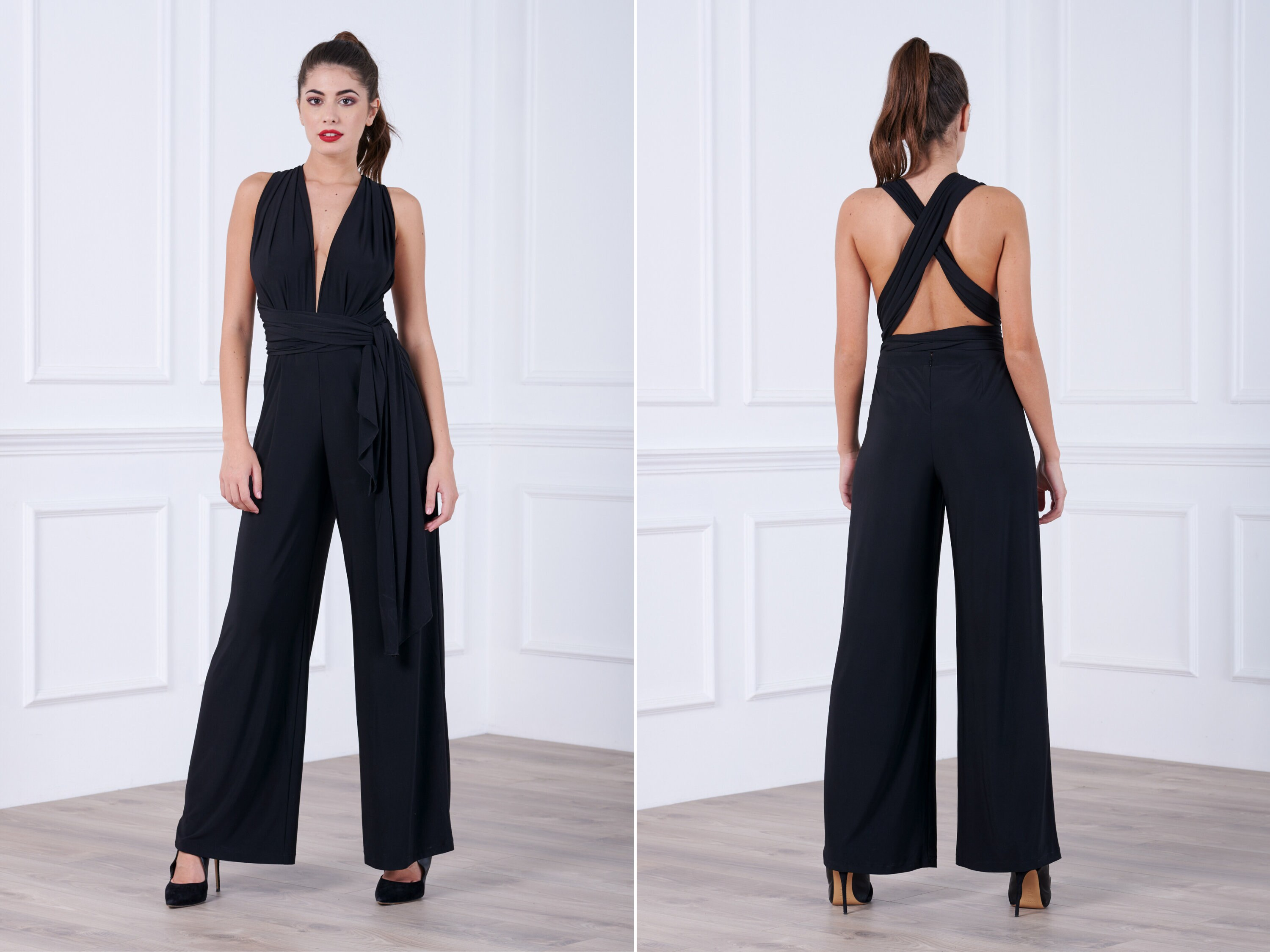
Strong product choices help independent fashion retailers grow in a competitive market. Many UK boutique owners now look for versatile one-piece styles that work across seasons, sizes, and customer groups, and wholesale jumpsuits have become a reliable category for steady repeat orders. Demand remains consistent because this garment offers easy styling, strong visual impact on display, and good margin control for resellers.
Wholesale Jumpsuits: Smart Buying Approach for UK Boutiques
Careful planning makes a big difference when selecting new stock lines. Jumpsuits are not a short-term trend item. They have moved from occasionwear into everyday fashion, workwear, holiday collections, and lounge categories. Because of this shift, boutiques can carry them all year with small seasonal changes in fabric and colour.
Fabric choice should match the UK climate. Lightweight viscose and cotton blends perform well in spring and summer. Heavier jersey, ribbed knit, and stretch crepe work better in autumn and winter. Neutral shades such as black, navy, khaki, and mocha create safe core lines. Brighter tones and prints can be added in smaller volumes to test local demand.
Reliable sourcing is always important. Many retailers review offers from different wholesale clothing suppliers to compare fabric quality, stitching finish, delivery time, and pack ratios before making bulk decisions. Building long-term supplier relationships reduces risk and improves consistency across collections.
Margins should always be calculated before confirming orders. One-piece garments often have higher perceived value compared to tops or leggings. This helps retailers maintain stronger mark-ups without increasing visual price resistance. A balanced mix of entry-level price points and premium styles supports different customer budgets within one store.
Seasonal timing also matters. Early ordering for spring launches allows shops to refresh rails before competitors. Autumn drops should include darker tones, long sleeves, and layered-friendly shapes. Planning at least three months ahead improves stock control and reduces rush buying.
Fit remains a key selling factor. Wide-leg cuts, tapered ankles, wrap fronts, belted waists, and relaxed utility shapes each serve different body types. Stocking a variety of fits helps boutiques attract a broader audience without overcomplicating inventory.
Quality checks should never be skipped. Stitch strength at shoulder seams, zip smoothness, and fabric weight all affect return rates. Lower return rates protect wholesale buyers from unnecessary margin loss.
Understanding UK Boutique Demand
Independent retailers in the UK operate in different environments. High street boutiques, online resellers, market traders, and social media sellers each serve unique audiences. This means jumpsuit selections should reflect local buying habits.
Urban areas often respond well to tailored cuts and minimal design. Coastal and holiday towns favour relaxed shapes and breathable fabrics. Market traders benefit from bold prints and competitive price brackets that allow quick turnover.
Stock depth should match store size. Smaller boutiques may choose limited quantities across more designs. Larger shops can commit to deeper size runs in proven bestsellers. Testing small quantities before scaling up reduces financial exposure.
Colour trends also change across regions. Earth tones and soft neutrals remain stable across the UK, while bright shades tend to perform better in summer months. Tracking sell-through rates from previous seasons provides useful data for future buying decisions.
Display planning should also be considered before purchasing. Jumpsuits require enough hanging space to show full length. Shops with limited rail space may prefer cropped or shorter versions to improve presentation.
Comparing Overseas and Local Supply Options
Many UK retailers consider international production when looking to improve margins. Cost savings can be attractive, especially when reviewing options from clothing suppliers in china who offer large production capacity and flexible design adjustments. However, longer shipping times, customs processes, and minimum order quantities must be calculated carefully.
Domestic or European sourcing often provides faster restock times and smaller minimum quantities. This flexibility can be valuable during fast-moving trend periods. The trade-off is usually a higher unit cost.
Retailers must compare:
-
Lead times
-
Minimum order quantities
-
Quality consistency
-
Freight costs
-
Payment terms
Balancing cost and flexibility is the key decision. For boutiques that prefer small batch buying, local supply may feel safer. Larger retailers with strong cash flow may benefit from overseas production savings.
Expanding Categories Around Jumpsuits
Smart stock planning includes cross-category thinking. One-piece garments pair well with outerwear, layering tops, and footwear. Retailers who coordinate colour stories across departments often see stronger average order values.
Adding complementary categories like knit cardigans, cropped jackets, and belts allows upselling opportunities. Structured blazers over fitted jumpsuits create workwear appeal. Denim jackets over relaxed cuts support casual styling.
Activewear growth has also influenced design direction. Comfort-driven silhouettes are popular across many sectors. Retailers who already stock wholesale gym clothes may find that stretch fabric jumpsuits blend well into athleisure collections. Soft-touch fabrics, elastic waists, and drawstring details respond to lifestyle demand.
Offering a small size-inclusive selection improves accessibility. Extended sizing increases reach without major structural changes in buying strategy. Inclusive stock sends a strong message about brand awareness.
Managing Size Ratios Effectively
Bulk buying requires careful size planning. Standard UK ratios often include balanced runs from size 8 to 16. However, sales data may show stronger movement in specific sizes depending on location.
Retailers should analyse past performance. If size 12 and 14 consistently sell faster, increasing depth in those sizes improves turnover. Avoiding overstock in slow-moving sizes protects cash flow.
Pre-pack ordering can simplify logistics but may not match every boutique’s needs. Some suppliers offer open size selection. This flexibility supports more accurate forecasting.
Clear size labelling also reduces confusion. Consistent grading across styles builds trust with repeat buyers. Poor size consistency leads to higher return rates and weaker long-term loyalty.
Fabric and Construction Matters
Fabric choice influences both comfort and durability. Stretch blends allow better fit across multiple body shapes. Structured woven fabrics create sharper silhouettes suited for office or occasion lines.
Breathable materials are ideal for warmer months. Heavier jersey works well for colder seasons. Retailers should feel the fabric weight before confirming bulk orders whenever possible.
Construction details add value. Features that increase appeal include:
-
Adjustable waist ties
-
Functional pockets
-
Quality metal zips
-
Lined bodices
These details justify stronger pricing. However, complex construction can raise production costs. Balance is important.
Stitch density and seam finishing affect garment life span. Reinforced seams reduce split risk. This is especially important for fitted designs.
Trend Direction in the UK Market
Recent UK fashion movement shows a mix of relaxed comfort and clean tailoring. Wide-leg silhouettes remain popular because they flatter many body types. Utility styles with pockets and belts continue to perform well.
Neutral colour palettes dominate core lines. Stone, olive, chocolate, and charcoal maintain year-round appeal. Seasonal brights can be added in smaller quantities.
Print direction changes each season. Floral remains strong in spring. Animal patterns return regularly in autumn. Testing limited print drops reduces risk.
Retailers should monitor trade shows and supplier lookbooks to stay updated. Early adoption of balanced trends improves competitive positioning.
Pricing Strategy for Strong Margins
Clear pricing structure protects profitability. Entry-level jumpsuits can attract volume buyers. Mid-range pieces often deliver the strongest margins. Premium designs may sell slower but build brand reputation.
Retailers should calculate landed cost carefully. Include shipping, duty, and packaging when reviewing overseas sourcing. Domestic sourcing may have higher unit cost but lower hidden expenses.
Bulk discounts from suppliers can improve overall margin. However, ordering too much stock simply to secure a discount can increase storage costs and slow cash flow.
Promotional planning should be scheduled in advance. End-of-season reductions should be minimal if buying decisions are well planned.
Stock Rotation and Reordering
Strong sellers should be reordered quickly to maintain momentum. Fast restock capability is a competitive advantage. Working with dependable partners ensures continuity.
Slow-moving lines should be reviewed early. Minor markdowns or bundle offers can free up space before season end.
Regular sales data review supports smarter future buying. Tracking which fabrics, fits, and colours perform best builds long-term efficiency.
Building Long-Term Supplier Relationships
Trust plays a major role in wholesale success. Open communication with suppliers improves forecasting and planning. Sharing sales feedback helps factories adjust production in future runs.
Clear agreements on returns, quality issues, and payment terms reduce misunderstanding. Strong partnerships often lead to early access to new collections.
Consistency builds confidence. Retailers who develop stable supply chains face fewer disruptions during busy seasons.
Risk Control in Bulk Buying
Bulk purchasing always carries some risk. Diversifying styles reduces exposure. Instead of ordering one large volume in a single design, spreading quantities across several shapes lowers financial pressure.
Avoiding overreaction to short-term trends protects long-term stability. Focus on proven silhouettes with seasonal updates rather than extreme designs.
Monitoring storage space is also important. Overstock creates operational strain. Controlled buying keeps business flexible.
Insurance and clear documentation for large overseas shipments provide additional protection.
Planning for Sustainable Growth
Gradual growth is safer than aggressive expansion. Testing new designs in small quantities before scaling allows better control.
Retailers should aim for balanced collections that serve their existing customer base while slowly attracting new segments.
Investing in quality rather than chasing the lowest price often delivers better long-term results. Customers who trust fit and durability return more often, which strengthens repeat trade.
Long-term planning should include reviewing supplier performance, sales patterns, and profit margins annually. Continuous improvement supports stable expansion.
Final Thoughts for UK Boutique Buyers
Strong product selection, careful sourcing, and clear pricing strategy create a stable base for independent fashion retailers. Jumpsuits offer flexibility, steady demand, and good visual impact on display.
Smart buying decisions depend on fabric quality, reliable delivery, and accurate size planning. Working with trusted partners reduces uncertainty and improves consistency.
With steady planning and controlled bulk orders, boutiques can use this category to support long-term profitability while keeping collections fresh and relevant to the UK market.

 English
 Arabic
 French
 Spanish
 Portuguese
 Deutsch
 Turkish
 Dutch
Dutch
 Russian
 Romaian
 Portuguese (Brazil)
 Greek
Greek
