


 Pro Benefits
 Sobre
Sobre
 Termos
 Privacidade
 Child Safety & Protection
 Notificações
 Ayrush Global It Services Pvt Ltd
How Do Peptides Activate Collagen Production in the Skin?
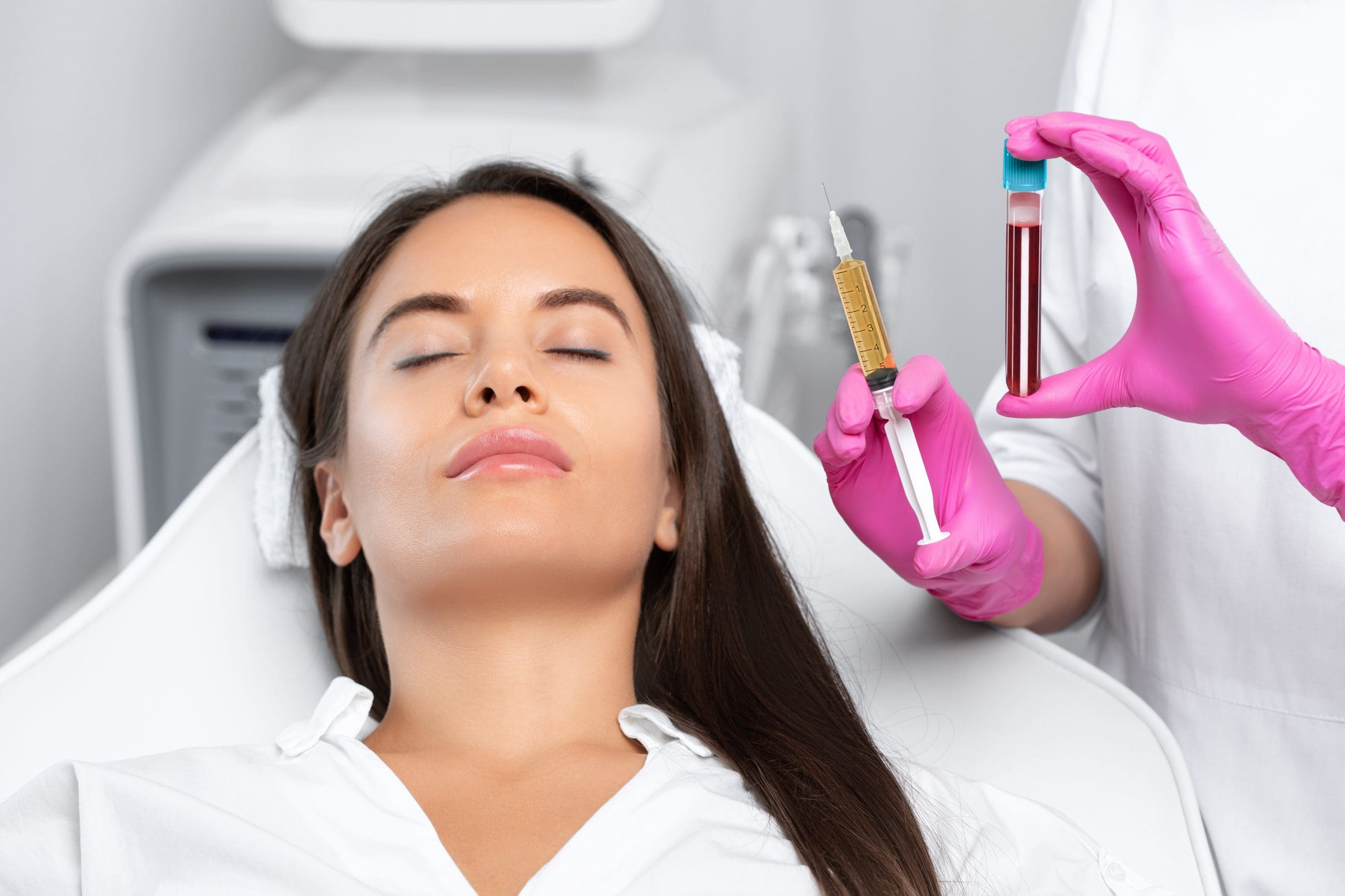
Youthful skin is often associated with firmness, elasticity, and a smooth texture—all of which depend heavily on collagen. As we age, collagen synthesis slows down, leading to fine lines, wrinkles, and loss of structure. This is where advanced skincare science steps in, particularly through Peptide Treatment in Dubai, a solution increasingly recognized for its ability to stimulate collagen production at a cellular level. Understanding how peptides work beneath the surface reveals why they have become a cornerstone in modern aesthetic care.
Understanding Collagen and Why It Declines
Collagen is the most abundant structural protein in the skin. It forms a supportive network within the dermis, providing strength and resilience. Fibroblasts, the primary cells in the dermal layer, are responsible for producing collagen. Over time, environmental stressors such as UV exposure, pollution, and oxidative damage impair fibroblast activity. Natural aging further reduces collagen turnover, causing the skin to thin and lose elasticity.
The visible signs—wrinkles, sagging, and uneven texture—are direct outcomes of reduced collagen density. Therefore, effective anti-aging strategies focus on reactivating fibroblasts and enhancing collagen synthesis rather than simply masking surface imperfections.
What Are Peptides in Skincare?
Peptides are short chains of amino acids, the fundamental building blocks of proteins. When formulated for topical or injectable applications, peptides act as biological messengers. They signal skin cells to perform specific functions, including repairing tissue, reducing inflammation, and most importantly, stimulating collagen production.
Because peptides are smaller than full proteins, they can penetrate the skin barrier more effectively. Once inside, they interact with cellular receptors and trigger biochemical responses that encourage regeneration.
The Mechanism: How Peptides Signal Collagen Production
Collagen stimulation through peptides occurs via a well-defined biological process. When collagen naturally breaks down in the skin, it produces peptide fragments. These fragments act as signals that alert the body to repair and rebuild damaged tissue. Skincare peptides mimic these natural fragments.
When applied to the skin, signal peptides bind to receptors on fibroblast cells. This interaction activates intracellular pathways responsible for gene expression linked to collagen synthesis. In simple terms, peptides “trick” the skin into believing collagen has been depleted, prompting fibroblasts to produce more.
Certain peptides also enhance the production of elastin and glycosaminoglycans, compounds that improve skin hydration and elasticity. The combined effect results in firmer, smoother, and more resilient skin over time.
Types of Peptides That Boost Collagen
Not all peptides function the same way. Different categories contribute uniquely to skin rejuvenation.
Signal peptides directly stimulate collagen and elastin production. These are among the most commonly used peptides in anti-aging formulations.
Carrier peptides deliver trace minerals, such as copper, to the skin. Copper peptides, for instance, support wound healing and collagen remodeling by enhancing enzymatic processes involved in tissue repair.
Enzyme-inhibitor peptides reduce collagen breakdown by limiting the activity of matrix metalloproteinases, enzymes that degrade structural proteins in the dermis.
Neurotransmitter-inhibiting peptides work differently by relaxing facial tension, indirectly preventing the formation of expression lines.
The strategic combination of these peptides creates a synergistic effect that amplifies collagen regeneration.
Why Peptides Are Effective for Anti-Aging
Peptides offer a targeted approach to skin rejuvenation. Unlike harsh resurfacing treatments, peptides work with the skin’s natural biology. They encourage regeneration without causing excessive inflammation or prolonged downtime.
Another advantage lies in their compatibility with other active ingredients. Peptides can be integrated into comprehensive skincare routines alongside antioxidants, hyaluronic acid, and growth factors to enhance overall results.
Consistency is key. Because collagen remodeling is a gradual biological process, visible improvements typically develop over weeks to months. However, the structural changes beneath the surface contribute to long-term skin health.
Environmental Factors and Collagen Loss
External stressors accelerate collagen degradation. Ultraviolet radiation, in particular, triggers oxidative stress that damages collagen fibers and reduces fibroblast function. Pollution and lifestyle factors such as poor nutrition or lack of sleep further impair skin regeneration.
Peptides help counteract these effects by promoting repair pathways and supporting dermal matrix restoration. When used as part of a proactive skincare strategy, they contribute to maintaining collagen integrity even in challenging climates.
The Science Behind Visible Firmness
As collagen density increases, the dermal matrix becomes thicker and more organized. This structural reinforcement improves skin elasticity and reduces the depth of wrinkles. The surface appears smoother because the underlying support system has strengthened.
Enhanced collagen production also improves microcirculation and hydration retention, contributing to a natural glow. Rather than creating an artificial tightening effect, peptides rebuild the skin from within.
Who Can Benefit from Peptide-Based Solutions?
Peptide treatments are suitable for individuals noticing early signs of aging as well as those seeking to improve advanced skin laxity. They can also benefit people recovering from environmental damage or looking to maintain youthful skin quality.
Because peptides function at a cellular level, they are adaptable to various skin types. Whether addressing fine lines, uneven texture, or loss of firmness, peptide therapy offers a biologically intelligent solution.
The Future of Collagen Activation
Advancements in biotechnology continue to refine peptide formulations. Researchers are developing highly specific peptide sequences designed to target precise cellular pathways. This precision enhances efficacy while maintaining safety and compatibility with the skin barrier.
Innovative delivery systems are also improving penetration and stability, ensuring that peptides reach the dermis where collagen synthesis occurs. As understanding of skin biology expands, peptide-based approaches are becoming increasingly sophisticated.
The growing demand for Peptide Treatment Dubai reflects a broader shift toward regenerative aesthetics—where treatments focus on activating the body’s own repair mechanisms rather than relying solely on temporary surface corrections. By stimulating fibroblasts and enhancing collagen synthesis, peptides provide a scientifically grounded pathway to firmer, healthier, and more resilient skin that evolves naturally over time.

 English
 Arabic
 French
 Spanish
 Deutsch
 Turkish
 Dutch
Dutch
 Italiano
 Russian
 Romaian
 Portuguese (Brazil)
 Greek
Greek
