


 Pro Benefits
 Environ
 Conditions générale de vente
 Confidentialité
 Child Safety & Protection
 Notifications
 Ayrush Global It Services Pvt Ltd
How can authors protect their copyright in children book publishing
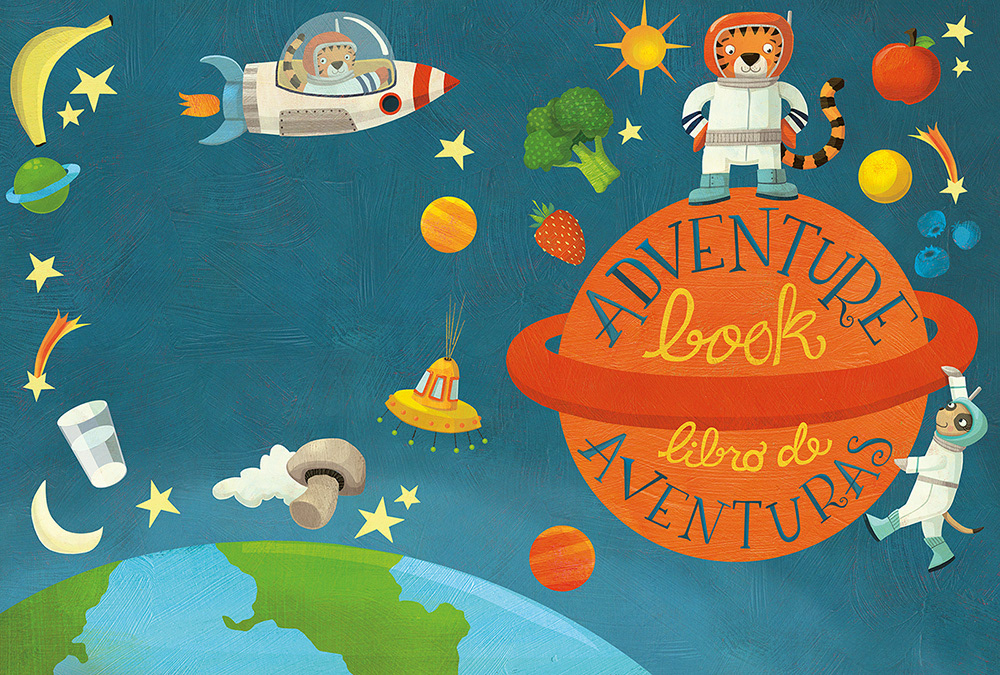
Copyright is a critical asset for authors in children book publishing, safeguarding both creative content and potential revenue. In 2025, the children’s book market in the U.S. exceeded $3 billion, highlighting the significant commercial value of original work. Copyright protects the text, illustrations, and design elements from unauthorized reproduction or distribution. Without proper protection, authors risk losing control over their work and missing out on royalties.
Key reasons copyright matters in children book publishing:
-
Legal Protection: Prevents others from copying or selling the work without permission.
-
Financial Security: Ensures authors receive royalties from book sales, adaptations, or licensing deals.
-
Professional Credibility: Demonstrates seriousness and professionalism to publishers and collaborators.
By prioritizing copyright, authors safeguard their creative output and maintain authority over their stories in a competitive market.
What Copyright Covers for Children’s Books
Copyright applies to various components of a children’s book, giving authors comprehensive protection. These components include:
-
Textual Content: Narrative, dialogue, poems, rhymes, and storytelling structure.
-
Illustrations & Artwork: Original drawings, digital images, or coloring elements.
-
Book Design & Layout: Typography, formatting, and cover art.
It is important to note that copyright exists automatically the moment the work is fixed in tangible form. Authors do not need to register immediately to receive basic protection. For example, iconic characters like The Very Hungry Caterpillar are protected under copyright, preventing unauthorized adaptations.
For authors working with children's book publishers, clarity about what is covered by copyright in contracts is essential to ensure that all aspects of the work remain protected.
Legal Steps to Register Copyright
While copyright is automatic, formal registration provides significant legal advantages. Registered works have stronger protection in court and can be used to claim statutory damages in infringement cases.
Steps to register copyright for a children’s book:
-
Prepare the Complete Work: Include text, illustrations, or both.
-
Submit to the Copyright Office: Online applications are available in most countries, including the U.S.
-
Pay Registration Fees: In the U.S., fees typically range from $45–$65 online.
-
Receive Official Certificate: Provides legal proof of ownership.
Benefits of registration:
-
Establishes a public record of ownership.
-
Makes legal enforcement easier in cases of infringement.
-
Allows the author to claim statutory damages and attorney fees if the copyright is violated.
Statistics show that registered works have a 60% higher success rate in infringement lawsuits than unregistered works, emphasizing the value of formal registration.
Using Contracts and Agreements
Contracts are a vital tool in children book publishing to maintain copyright ownership, particularly when collaborating with illustrators, co-authors, or publishers.
Key agreements include:
-
Illustrator Agreements: Ensure authors retain copyright while granting limited rights for use in the book.
-
Publisher Agreements: Clarify rights, royalties, and derivative works.
-
Collaboration Agreements: Protect contributions from co-authors or freelancers.
Pointers for drafting effective contracts:
-
Clearly define copyright ownership and licensing terms.
-
Specify use of illustrations or text in merchandising, apps, or other adaptations.
-
Include clauses for transfer, assignment, or reversion of rights if necessary.
Proper contracts prevent disputes and reinforce the legal standing of authors’ rights, particularly when working with professional children's book publishers.
Digital Copyright and Online Publishing
The rise of digital publishing has introduced new challenges in copyright protection. eBooks and print-on-demand platforms make distribution easier, but unauthorized sharing can occur online.
Effective digital copyright strategies include:
-
Digital Rights Management (DRM): Prevents copying or redistribution of eBooks.
-
Watermarking: Protects illustrations and visual content from being reused without permission.
-
Monitoring Platforms: Regularly checking online marketplaces to detect infringements.
For example, self-published authors can use Amazon KDP to control digital rights, limiting unauthorized downloads or piracy. Research indicates that over 35% of self-published books face some form of digital infringement, highlighting the importance of proactive protection.
International Copyright Protection
Copyright protection extends beyond domestic borders through international agreements like the Berne Convention, which includes over 180 member countries.
Key points:
-
Copyright is automatically recognized in all member countries once the work is created.
-
Local registration may be necessary to enforce rights in specific countries.
-
Collaborating with international agents or publishers can help manage rights globally.
Example: A children’s book created in the U.S. is automatically protected in countries like Canada, the U.K., and Australia, but enforcement in local courts may require additional documentation. For authors seeking a global audience, understanding international protections is crucial.
Monitoring and Enforcing Copyright
Proactive monitoring is essential for detecting infringement and protecting revenue. Authors should be vigilant about unauthorized reproduction or distribution of their work.
Methods to enforce copyright:
-
Monitoring Tools: Google Alerts and reverse image searches can track misuse.
-
Cease-and-Desist Letters: Formal requests to remove infringing content.
-
DMCA Takedown Requests: Remove unauthorized digital copies.
-
Legal Action: Pursue court cases for repeated or commercial infringement.
Active monitoring helps protect long-term income and preserves the author’s reputation. Statistics suggest that authors who actively monitor online platforms experience 50% fewer major infringements than those who do not.
Best Practices for Authors
Authors can adopt practical strategies to maximize copyright protection in children book publishing:
-
Maintain dated records of all drafts and illustrations.
-
Clearly display copyright notices on all published works.
-
Use contracts for every collaboration with illustrators, editors, or co-authors.
-
Educate themselves about domestic and international copyright regulations.
-
Consider digital protection tools such as DRM, watermarks, and password-protected content.
By treating copyright as both a legal safeguard and a business asset, authors strengthen their position in the competitive market.
Conclusion
Protecting copyright is essential for success in children book publishing. Combining registration, contracts, digital protection, and proactive monitoring ensures that authors maintain control over their creative work, secure royalties, and prevent unauthorized use. With the children’s book market continuing to grow, authors must be strategic about copyright to maximize both financial and creative benefits. Professional collaboration with children's book publishers, careful documentation, and adherence to legal protocols allow authors to confidently share their stories while safeguarding their intellectual property. By implementing these practices, authors can protect their work, foster long-term career growth, and contribute to a thriving and respected children’s literature industry.
 French
 English
 Arabic
 Spanish
 Portuguese
 Deutsch
 Turkish
 Dutch
Dutch
 Italiano
 Russian
 Romaian
 Portuguese (Brazil)
 Greek
Greek
