


 Pro Benefits
 About
About
 Voorwaarden
 Privacy
 Child Safety & Protection
 Meldingen
 Ayrush Global It Services Pvt Ltd
What is Corten Steel? Composition, Properties & Why It Doesn’t Rust Like Regular Steel
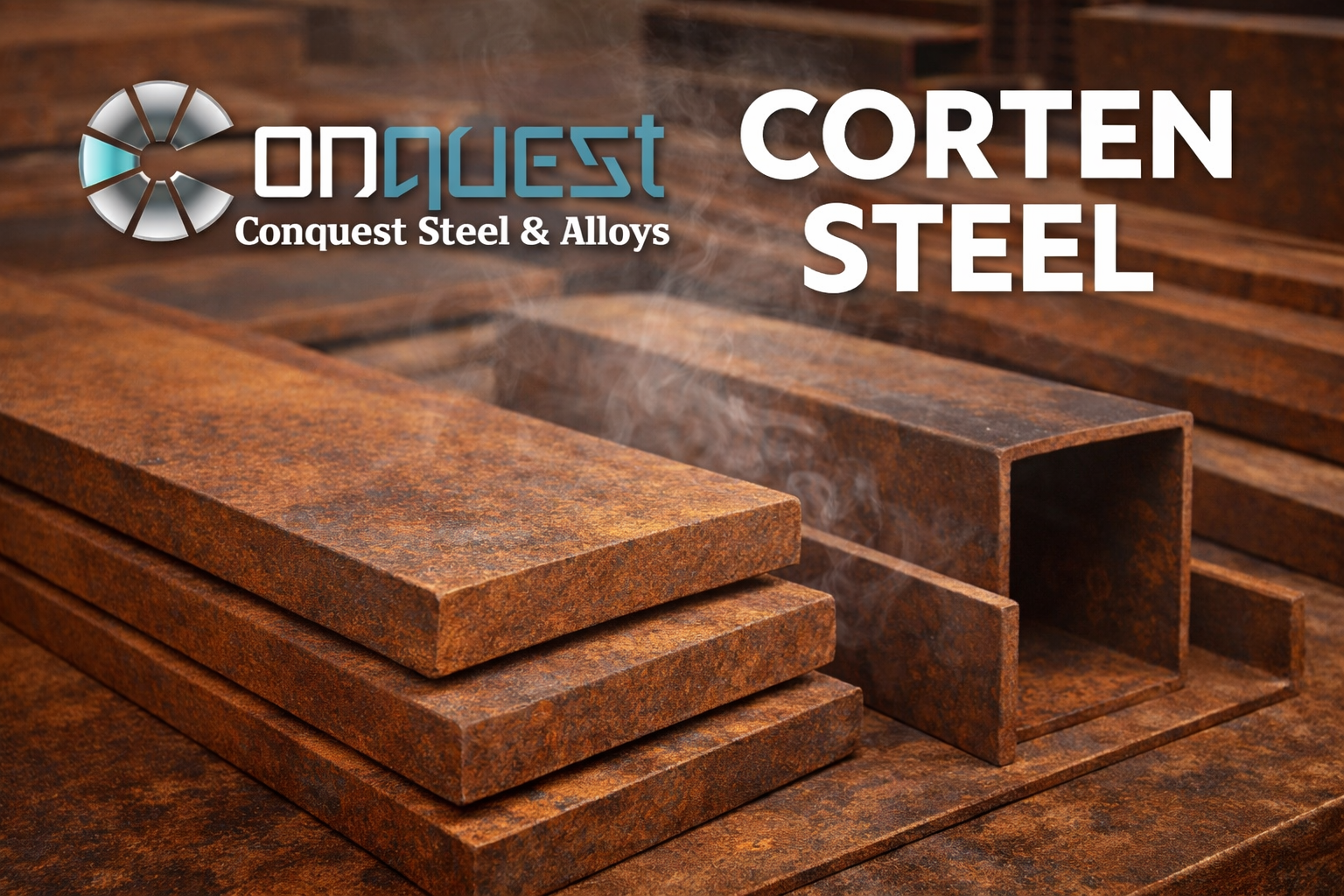
Corten Steel, often referred to as weathering steel, is a high-strength, low-alloy structural steel designed to eliminate the need for painting while offering exceptional resistance to atmospheric corrosion. Unlike regular carbon steel that deteriorates when exposed to moisture and air, Corten Steel develops a stable, rust-like surface layer that protects the inner metal from further corrosion.
Because of this unique feature, Corten Steel has become a popular material in architecture, construction, bridges, landscaping, sculptures, and outdoor structures where durability and aesthetics are equally important.
What Does “Corten” Mean?
The name Corten is derived from two of its primary properties:
-
COR – Corrosion resistance
-
TEN – Tensile strength
This combination makes Corten Steel a material that not only withstands environmental exposure but also maintains structural performance under load.
Chemical Composition of Corten Steel
The secret behind Corten Steel’s performance lies in its alloying elements. Unlike ordinary mild steel, it contains small amounts of specific metals that enhance corrosion resistance.
Typical elements include:
-
Copper (Cu) – Improves atmospheric corrosion resistance
-
Chromium (Cr) – Enhances hardness and oxidation resistance
-
Nickel (Ni) – Boosts strength and durability
-
Phosphorus (P) – Improves weathering performance
-
Silicon (Si) and Manganese (Mn) – Contribute to strength and toughness
These elements work together to create a protective oxide layer when the steel is exposed to weather conditions.
How Corten Steel Rusts Differently
At first glance, Corten Steel appears to rust like normal steel. However, the process is completely different.
Regular Steel
When regular carbon steel is exposed to moisture and oxygen, rust forms and flakes off continuously. This exposes fresh metal to the environment, causing ongoing corrosion until the material weakens or fails.
Corten Steel
Corten Steel forms a dense, tightly adherent oxide layer, known as a patina. This layer:
-
Seals the surface
-
Prevents deeper oxygen and moisture penetration
-
Stops further corrosion
-
Becomes more stable over time
This self-protecting barrier is why Corten Steel does not require paint or coating in most outdoor environments.
Key Properties of Corten Steel
1. Atmospheric Corrosion Resistance
Corten Steel can withstand rain, humidity, and pollution better than regular steel. It is particularly effective in environments with alternating wet and dry conditions.
2. High Tensile Strength
It offers strength comparable to many structural steels, making it suitable for load-bearing applications like bridges and buildings.
3. Low Maintenance
Because of its natural protective layer, Corten Steel reduces maintenance costs associated with repainting or rust treatment.
4. Long Service Life
Structures made from Corten Steel can last decades even under harsh weather conditions.
5. Aesthetic Appeal
Its evolving rust-like finish gives a modern, industrial, and architectural look highly valued in design projects.
6. Good Weldability
With proper techniques and filler materials, Corten Steel can be welded effectively.
Grades of Corten Steel
The most common types include:
-
Corten A – Used in architectural and decorative applications
-
Corten B – Designed for heavy structural applications like bridges
Both grades offer weathering resistance but differ slightly in composition and mechanical strength.
Applications of Corten Steel
Because of its durability and appearance, Corten Steel is widely used in:
-
Bridges and flyovers
-
Building facades and cladding
-
Railway wagons and containers
-
Landscaping features
-
Outdoor sculptures and art
-
Industrial chimneys and structures
It is especially preferred in projects where maintenance access is difficult.
When Corten Steel May Not Be Ideal
Although highly durable, Corten Steel may not perform well in:
-
Constantly wet or submerged environments
-
Marine or coastal areas with heavy salt exposure
-
Areas without dry cycles to form a stable patina
In such cases, protective coatings may still be required.
Advantages Over Regular Steel
| Feature | Regular Steel | Corten Steel |
|---|---|---|
| Corrosion Resistance | Low | High |
| Maintenance | Frequent painting | Minimal |
| Appearance | Industrial grey | Natural rust finish |
| Lifespan Outdoors | Moderate | Long |
| Cost Over Time | Higher due to upkeep | Lower lifecycle cost |
Why It’s a Smart Choice
Corten Steel combines engineering performance with architectural beauty. Its ability to self-protect, maintain strength, and develop a distinctive appearance makes it a sustainable and economical choice for outdoor structures.
Conclusion
Corten Steel is more than just a metal — it is a smart structural material engineered to resist corrosion while enhancing visual appeal. Its special alloy composition allows it to develop a protective patina, preventing the continuous rusting seen in regular steel. With high strength, low maintenance, and long service life, Corten Steel has become a preferred material in modern construction and design.
Whether used in infrastructure, architecture, or art, Corten Steel proves that durability and aesthetics can go hand in hand.

 English
 Arabic
 French
 Spanish
 Portuguese
 Deutsch
 Turkish
 Italiano
 Russian
 Romaian
 Portuguese (Brazil)
 Greek
Greek
