


 Pro Benefits
 Sobre
Sobre
 Termos
 Privacidade
 Child Safety & Protection
 Notificações
 Ayrush Global It Services Pvt Ltd
Types of Human Myiasis and Their Impact on Human Health
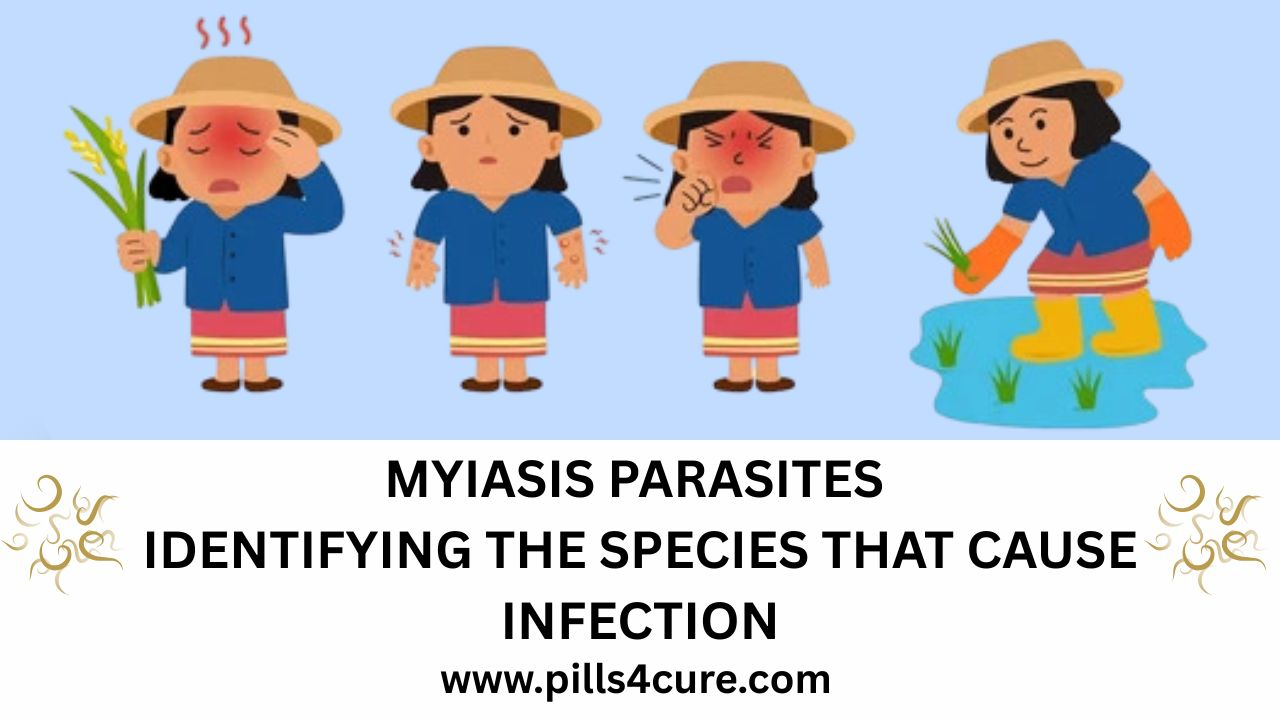
In the United Kingdom, although relatively rare, myiasis is an important parasitic condition that can affect travellers returning from tropical regions and, increasingly, local populations due to climate change and globalisation. This detailed guide explores the different types of human myiasis, their clinical signs, and the implications for public health in the UK. Awareness of myiasis is essential for both healthcare professionals and individuals, particularly those planning trips to endemic areas or working in agricultural settings with higher exposure risks.
While historically linked to tropical climates, isolated cases of myiasis have been reported across England, Wales, Scotland, and Northern Ireland, highlighting the need for early recognition and effective management. Treatment often involves the use of medications such as ivermectin 3 mg, alongside proper wound care, to effectively combat parasitic infestations. This article provides a comprehensive overview of myiasis types, symptoms, treatment strategies, and preventive measures tailored for UK residents and healthcare providers.
What is Myiasis? Understanding the Condition
Define myiasis in medical terms refers to the parasitic infestation of living tissue by fly larvae, commonly known as maggots. The condition occurs when certain species of flies deposit their eggs directly onto human skin, in open wounds, or within body cavities such as the nose, ears, or eyes. These eggs subsequently hatch into larvae that feed on living or dead tissue, creating a parasitic relationship that can range from relatively benign to life-threatening.
Human myiasis specifically describes cases where humans serve as the host organism for these developing fly larvae. Unlike myiasis in animals, which is more commonly observed in veterinary practice, human cases require immediate medical attention due to the potential for serious complications and the psychological distress often associated with the condition.
The pathophysiology of myiasis involves several stages of fly development within human tissue. Initially, adult female flies seek suitable sites for egg deposition, often attracted by wounds, discharge, or certain odours. Following hatching, larvae begin feeding and growing, causing tissue damage and inflammation. The duration of this process varies significantly depending on the fly species involved and environmental conditions, typically lasting between one to eight weeks.
In the UK, myiasis cases are predominantly imported, meaning they originate from travel to endemic regions in Africa, Central and South America, and parts of Asia. However, climate change and increased global connectivity have raised concerns about the potential establishment of causative fly species within British territories.
Types of Human Myiasis
Furuncular Myiasis: The Boil-Like Infestation
Furuncular myiasis represents one of the most recognisable forms of the condition, characterised by the development of boil-like lesions containing developing fly larvae. This type typically results from infestation by botflies (Dermatobia hominis) or tumbu flies (Cordylobia anthropophaga), species commonly encountered in tropical regions of Africa and the Americas.
The clinical presentation of furuncular myiasis often begins subtly, with patients initially mistaking the lesion for a simple insect bite or small abscess. However, as the larva develops within the subcutaneous tissue, the characteristic features become more apparent. The lesion typically presents as a raised, red nodule with a central punctum through which the larva breathes. Patients frequently report a sensation of movement within the lesion, accompanied by intermittent sharp pain and itching.
The psychological impact of furuncular myiasis cannot be understated, particularly for UK residents who may be unfamiliar with such conditions. The knowledge that a living organism is developing beneath the skin often causes significant anxiety and distress, emphasising the importance of prompt medical consultation and reassurance.
Treatment of furuncular myiasis traditionally involves mechanical extraction of the larva, though various techniques have been developed to facilitate this process. In UK clinical practice, healthcare providers may employ occlusive methods using petroleum jelly or adhesive tape to encourage larva migration towards the surface, making extraction more straightforward and less traumatic for the patient.
Maggot in Humans: Wound Myiasis Complications
The presence of maggot in humans through wound myiasis represents a more complex clinical scenario, often occurring in individuals with compromised wound healing or inadequate hygiene conditions. This form of myiasis typically involves flies that are attracted to necrotic tissue, open wounds, or chronic ulcers, where they deposit eggs that subsequently develop into feeding larvae.
Wound myiasis can be particularly problematic for vulnerable populations within the UK, including elderly individuals with chronic wounds, homeless populations, or those with limited access to healthcare services. The condition may also arise in post-surgical wounds that become infected or fail to heal properly, creating an environment conducive to fly egg deposition.
The symptoms of myiasis in humans associated with wound infestation include increased pain and discharge from the affected area, foul odour, and visible movement of larvae within the wound bed. Patients may also experience systemic symptoms such as fever, malaise, and lymphadenopathy, indicating secondary bacterial infection or inflammatory response.
Management of wound myiasis requires a comprehensive approach combining mechanical debridement, antibiotic therapy for secondary infections, and optimal wound care practices. In severe cases, surgical intervention may be necessary to remove all larval material and necrotic tissue, followed by reconstructive procedures to restore tissue integrity.
Cutaneous Myiasis: Skin Surface Infestations
Cutaneous myiasis encompasses a broader category of skin infestations that may present in various forms, from superficial creeping eruptions to deeper tissue involvement. This type is particularly relevant to UK travellers returning from endemic regions, as many causative fly species are not native to British climates but may affect individuals during overseas travel.
The clinical presentation of cutaneous myiasis varies significantly depending on the causative organism and the depth of larval penetration. Superficial forms may appear as linear, serpentine tracks beneath the skin surface, created by migrating larvae. These tracks often produce intense itching and may be accompanied by urticarial reactions or secondary bacterial infections from scratching.
Deeper forms of cutaneous myiasis can mimic various dermatological conditions, including cellulitis, abscesses, or even malignancies, making accurate diagnosis challenging for healthcare providers unfamiliar with the condition. The key diagnostic feature is often the history of recent travel to endemic areas combined with the characteristic clinical presentation and, in some cases, the visualisation of larvae within the lesion.
Treatment approaches for cutaneous myiasis depend on the specific presentation and causative organism. Topical treatments may be effective for superficial infestations, whilst deeper involvement typically requires systemic therapy or mechanical intervention. The choice of treatment modality should consider patient comfort, the likelihood of complete parasite removal, and the prevention of secondary complications.
Nasopharyngeal Myiasis: Upper Respiratory Tract Involvement
Nasopharyngeal myiasis represents one of the most serious forms of the condition, involving infestation of the nasal cavity, sinuses, or upper respiratory tract structures. This type of myiasis can lead to significant morbidity and, in severe cases, life-threatening complications due to the proximity to vital structures and the potential for secondary bacterial infections.
The condition typically results from nasal fly species that deposit eggs directly within the nasal cavity or from larvae that migrate from other sites. Patients with nasopharyngeal myiasis often present with symptoms including nasal discharge, epistaxis (nosebleeds), anosmia (loss of smell), and a sensation of nasal obstruction. In advanced cases, facial pain, headache, and signs of sinusitis may develop.
The diagnostic challenge of nasopharyngeal myiasis lies in its similarity to other upper respiratory conditions common within the UK population. Healthcare providers must maintain a high index of suspicion, particularly when treating patients with recent travel history or those presenting with unusual nasal symptoms that fail to respond to conventional treatments.
Myiasis treatment for nasopharyngeal involvement typically requires specialist otolaryngological intervention. Endoscopic examination allows direct visualisation of larvae and facilitates mechanical removal using appropriate instruments. Systemic antibiotic therapy may be necessary to address secondary bacterial infections, whilst supportive care focuses on symptom management and prevention of complications.
Aural Myiasis: Ear Canal Infestations
Aural myiasis involves the infestation of the external ear canal by fly larvae, creating a unique set of clinical challenges and patient discomfort. This form of myiasis is particularly distressing for patients due to the proximity to sensory organs and the audible sounds often produced by larval movement within the ear canal.
The condition typically begins with adult flies depositing eggs within the ear canal, often during sleep or periods of reduced awareness. Factors that may predispose individuals to aural myiasis include poor hygiene, presence of earwax or debris, pre-existing ear infections, or sleeping in environments with high fly activity.
Clinical presentation of aural myiasis includes intense ear pain, hearing impairment, sensation of fullness or blockage, and unusual sounds within the ear. Patients may also experience discharge from the affected ear, which may be purulent if secondary bacterial infection develops. The psychological distress associated with knowing that living organisms are present within the ear canal often prompts urgent medical consultation.
Management of aural myiasis requires careful otological examination and larval removal under appropriate visualisation. The proximity to the tympanic membrane and other delicate ear structures necessitates skilled intervention to prevent complications such as perforation or damage to hearing apparatus. Post-removal care focuses on cleaning the ear canal, treating any secondary infections, and monitoring for complete resolution.
Clinical Impact and Complications
The clinical impact of human myiasis extends beyond the immediate parasitic infestation, encompassing physical, psychological, and social dimensions that can significantly affect patient wellbeing. Understanding these broader implications is essential for healthcare providers managing cases within the UK healthcare system.
Physical complications of myiasis vary according to the type and location of infestation. Superficial forms may lead to secondary bacterial infections, scarring, or persistent inflammation, whilst deeper infestations can cause tissue necrosis, abscess formation, or involvement of vital structures. In cases of nasopharyngeal or aural myiasis, complications may include sinusitis, meningitis, or permanent sensory impairment.
The psychological impact of myiasis is frequently underestimated but represents a significant component of patient morbidity. The knowledge that living organisms are developing within body tissues often triggers intense anxiety, disgust, and fear. Patients may experience sleep disturbances, social withdrawal, and persistent concerns about recurrence even after successful treatment.
Social implications of myiasis can be particularly relevant within UK cultural contexts, where such conditions are relatively uncommon and may be poorly understood by family members, colleagues, or the broader community. Patients may face stigmatisation or misconceptions about hygiene or lifestyle factors, emphasising the importance of education and support during treatment.
Diagnosis and Medical Assessment
Accurate diagnosis of human myiasis requires a combination of clinical acumen, appropriate investigative techniques, and awareness of epidemiological factors. Within the UK healthcare system, many practitioners may have limited experience with myiasis cases, making systematic diagnostic approaches essential for optimal patient outcomes.
The diagnostic process typically begins with a comprehensive history, focusing particularly on recent travel to endemic regions, occupational exposures, and the timeline of symptom development. Physical examination should include careful inspection of affected areas, noting characteristic features such as breathing puncta in furuncular lesions or visible larval movement.
Investigative techniques may include dermoscopy for detailed lesion examination, imaging studies to assess deeper tissue involvement, and in some cases, biopsy or surgical exploration. Laboratory investigations should focus on identifying secondary bacterial infections and assessing the patient's overall inflammatory response.
Differential diagnosis considerations include various dermatological conditions, bacterial or fungal infections, and in some cases, malignancies. The key distinguishing feature is often the combination of travel history, characteristic clinical presentation, and the identification of larval structures within or beneath the affected tissue.
Treatment Approaches and Management Strategies
Myiasis treatment within the UK healthcare system requires a multifaceted approach that addresses both the parasitic infestation and associated complications. Treatment modalities vary significantly depending on the type of myiasis, patient factors, and resource availability within different healthcare settings.
Mechanical removal remains the cornerstone of treatment for most forms of myiasis, particularly furuncular and cutaneous types. Various techniques have been developed to facilitate larval extraction, including occlusive methods that encourage larva migration towards the skin surface, making removal less traumatic and more complete.
Pharmacological interventions may include topical or systemic antiparasitic agents. Ivermectin 3 mg has emerged as an effective treatment option for certain types of myiasis, particularly when mechanical removal is challenging or incomplete. The medication works by paralysing the larvae, facilitating their natural expulsion or making mechanical removal easier and more complete.
Antibiotic therapy plays a crucial role in managing secondary bacterial infections that commonly accompany myiasis. The choice of antibiotic should be guided by local resistance patterns and the specific clinical presentation, with both topical and systemic options available depending on the extent of infection.
Supportive care measures include pain management, wound care, and psychological support to address the emotional impact of the condition. Patient education about the condition, treatment process, and expected outcomes is essential for reducing anxiety and ensuring compliance with treatment protocols.
Prevention and Risk Reduction Strategies
Prevention of human myiasis requires a comprehensive understanding of risk factors and implementation of appropriate protective measures, particularly for UK residents travelling to endemic regions or working in high-risk environments.
Travel-related prevention focuses on personal protective measures during visits to areas where causative fly species are endemic. Protective clothing that covers exposed skin, use of appropriate insect repellents containing DEET or other effective ingredients, and avoidance of areas with high fly activity during peak times can significantly reduce infestation risk.
Wound care represents a critical component of myiasis prevention, particularly for individuals with chronic wounds, recent surgical sites, or traumatic injuries. Proper wound cleaning, dressing, and monitoring can prevent fly access and egg deposition, reducing the likelihood of wound myiasis development.
Environmental management strategies may be relevant for certain settings within the UK, particularly agricultural areas or locations where fly populations may be elevated. These measures include proper waste management, elimination of breeding sites, and implementation of fly control measures where appropriate.
Personal hygiene measures, whilst not always protective against all forms of myiasis, can reduce risk in certain circumstances. Regular bathing, clean clothing, and attention to areas where flies might deposit eggs can contribute to overall risk reduction.
UK Healthcare System Considerations
The management of myiasis cases within the UK healthcare system presents unique challenges related to the rarity of the condition, limited practitioner experience, and resource allocation considerations. Understanding these factors is essential for optimising patient care and healthcare delivery.
Primary care practitioners represent the first point of contact for many patients with suspected myiasis, making their awareness and knowledge of the condition crucial for appropriate diagnosis and referral. Training programmes and educational resources specifically addressing parasitic conditions in returned travellers can enhance diagnostic capabilities at the primary care level.
Specialist referral pathways should be clearly established for complex cases or those requiring specific expertise in dermatology, infectious diseases, or relevant surgical specialties. The concentration of expertise within certain centres may necessitate patient transfer or telemedicine consultation to ensure optimal care delivery.
Resource considerations include the availability of appropriate diagnostic equipment, treatment medications, and specialist expertise. NHS trusts may need to consider stocking specific medications such as ivermectin or ensuring rapid access to these agents when required for myiasis treatment.
Frequently Asked Questions
What exactly is myiasis and how common is it in the UK?
Myiasis is a parasitic condition caused by fly larvae developing in human tissue. In the UK, it remains relatively uncommon, with most cases occurring in travellers returning from tropical regions. However, climate change and increased global travel mean awareness remains important for both healthcare providers and the public.
How can I tell if I have myiasis after returning from travel abroad?
The symptoms of myiasis in humans vary depending on the type of infestation. Common signs include boil-like lesions with central breathing holes, unusual skin movements, persistent itching or pain, and in some cases, discharge or foul odour from affected areas. Any unusual skin lesions developing after travel to tropical regions warrant medical assessment.
Is myiasis contagious between people?
No, human myiasis is not contagious between people. The condition requires direct contact with specific fly species that deposit eggs in or on human tissue. Person-to-person transmission does not occur, making isolation unnecessary once diagnosis is confirmed.
What treatments are available for myiasis in the UK?
Myiasis treatment options within the UK include mechanical removal of larvae, medications such as ivermectin 3 mg for certain cases, antibiotic therapy for secondary infections, and supportive care measures. Treatment choice depends on the specific type and location of infestation, with most cases responding well to appropriate intervention.
How can I prevent myiasis when travelling to tropical countries?
Prevention strategies include wearing protective clothing that covers exposed skin, using effective insect repellents, avoiding areas with high fly activity during peak hours, maintaining good wound care practices, and seeking immediate medical attention for any wounds or unusual skin lesions that develop during travel.
Should I be concerned about myiasis if I live in the UK permanently?
For permanent UK residents who do not travel to endemic regions, the risk of myiasis is extremely low. However, climate change may potentially alter this risk profile in future decades. Current cases in non-travellers are exceptionally rare and typically associated with specific risk factors or unusual circumstances.
How long does treatment take and what can I expect during recovery?
Treatment duration varies depending on the type of myiasis and chosen treatment approach. Simple mechanical removal may provide immediate relief, whilst systemic treatments may require several days to weeks for complete resolution. Most patients experience full recovery without long-term complications when appropriate treatment is received promptly.
Are there any long-term effects of myiasis?
With appropriate treatment, most cases of myiasis resolve completely without long-term effects. However, complications such as secondary bacterial infections, scarring, or rarely, involvement of vital structures, can occur if treatment is delayed or incomplete. Early medical consultation and proper treatment minimise the risk of lasting complications.
 Portuguese (Brazil)
 English
 Arabic
 French
 Spanish
 Portuguese
 Deutsch
 Turkish
 Dutch
Dutch
 Italiano
 Russian
 Romaian
 Greek
Greek
