


 Pro Benefits

 الشروط
 الخصوصية
 Child Safety & Protection
 الإشعارات
 Ayrush Global It Services Pvt Ltd
POS Systems and Role-Based Access Control for Staff
Introduction: Why Access Control Matters
Managing staff access in a business is crucial for both security and operational efficiency. Employees handle different tasks, and not everyone needs access to all information. Without proper access control, sensitive data—such as financial records, customer information, or pricing details—can be exposed, leading to errors, theft, or compliance violations.
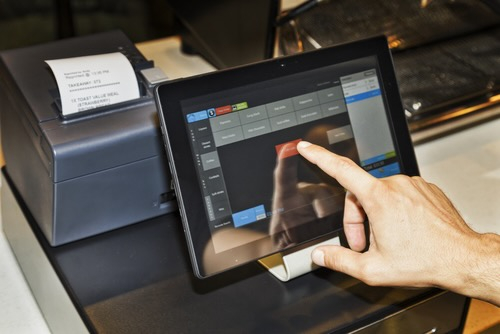
Modern Point-of-Sale (POS) systems address this challenge by providing role-based access control (RBAC). This feature ensures that staff can only access the data and functions necessary for their role, enhancing security while maintaining workflow efficiency.
Understanding Role-Based Access Control (RBAC)
RBAC allows businesses to define roles (e.g., cashier, manager, admin) and assign specific permissions to each. For example:
-
Cashier: Can process sales and issue receipts but cannot view full inventory or financial reports.
-
Inventory Manager: Can update stock levels and generate inventory reports but cannot access sales revenue details.
-
Manager/Admin: Has full access to all functions, including reports, refunds, and system settings.
This structured approach minimizes the risk of errors and ensures that sensitive functions are handled only by authorized personnel.
Benefits of RBAC in POS Systems
-
Enhanced Security: Restricting access prevents unauthorized changes to financial data or inventory.
-
Reduced Risk of Internal Theft: Limiting permissions makes it harder for employees to manipulate sales or inventory records.
-
Operational Efficiency: Staff focus on their responsibilities without being distracted by irrelevant system functions.
-
Compliance Support: Role-based controls help meet regulatory requirements for data security and reporting.
Implementing Role-Based Access Control
Setting up RBAC in a POS system involves:
-
Defining Roles: Identify each job function in your business and determine necessary permissions.
-
Assigning Permissions: Allocate access levels according to responsibilities, ensuring employees cannot access data outside their role.
-
Regular Reviews: Staff roles and responsibilities may change; periodically review and update permissions to reflect current operations.
-
Monitoring Access: POS systems with audit trails allow management to track which employees accessed which functions and when, supporting accountability.
Case Example: Retail and Hospitality
In a retail store, the cashier only processes transactions, while the store manager oversees discounts, refunds, and end-of-day reports. Without RBAC, a cashier could access manager functions, potentially leading to errors or misuse. With a POS system implementing RBAC, each employee’s access is appropriately restricted, preventing operational and financial risks.
Similarly, in a restaurant, servers handle order processing but should not access pricing adjustments or financial reports. Role-based access ensures staff perform their duties efficiently without compromising sensitive information.
Integration With Other Security Features
RBAC works best when combined with other POS security measures:
-
Password Protection: Each user logs in with unique credentials.
-
Two-Factor Authentication: Adds an extra layer of security for sensitive roles.
-
Audit Trails: Track all system activities for transparency and accountability.
-
Alerts and Notifications: Notify management of unusual or unauthorized access attempts.
Advantages for Management
Management benefits from RBAC by gaining better control over operations. Access restrictions reduce mistakes, fraud risk, and data breaches. Reporting and audit functions provide visibility, allowing managers to identify trends, monitor performance, and make informed decisions.
Partnering With a Trusted POS Provider
To implement effective RBAC, businesses need a reliable POS system. Mhouse provides POS solutions with robust role-based access features, audit trails, and secure user management. Their systems ensure that every staff member has the right level of access, protecting sensitive data while streamlining daily operations.
Future of RBAC in POS Systems
As businesses grow and regulatory requirements increase, RBAC in POS systems will become more sophisticated. Features like AI-based access recommendations, real-time alerts for unusual activity, and customizable dashboards will further enhance security and efficiency. Businesses adopting these technologies stay ahead in operational control and data protection.
Final Thoughts
Role-based access control is essential for protecting sensitive information, minimizing internal risk, and ensuring smooth business operations. By assigning specific permissions to staff based on their roles, businesses can maintain security, compliance, and operational efficiency. With advanced POS systems from providers like Mhouse, companies can confidently manage staff access while safeguarding data and resources.

 English
 French
 Spanish
 Portuguese
 Deutsch
 Turkish
 Dutch
Dutch
 Italiano
 Russian
 Romaian
 Portuguese (Brazil)
 Greek
Greek
