


 Pro Benefits
 Sobre
Sobre
 Termos
 Privacidade
 Child Safety & Protection
 Notificações
 Ayrush Global It Services Pvt Ltd
How Weather & Lighting Affect CCTV Performance (and Installation Tips)
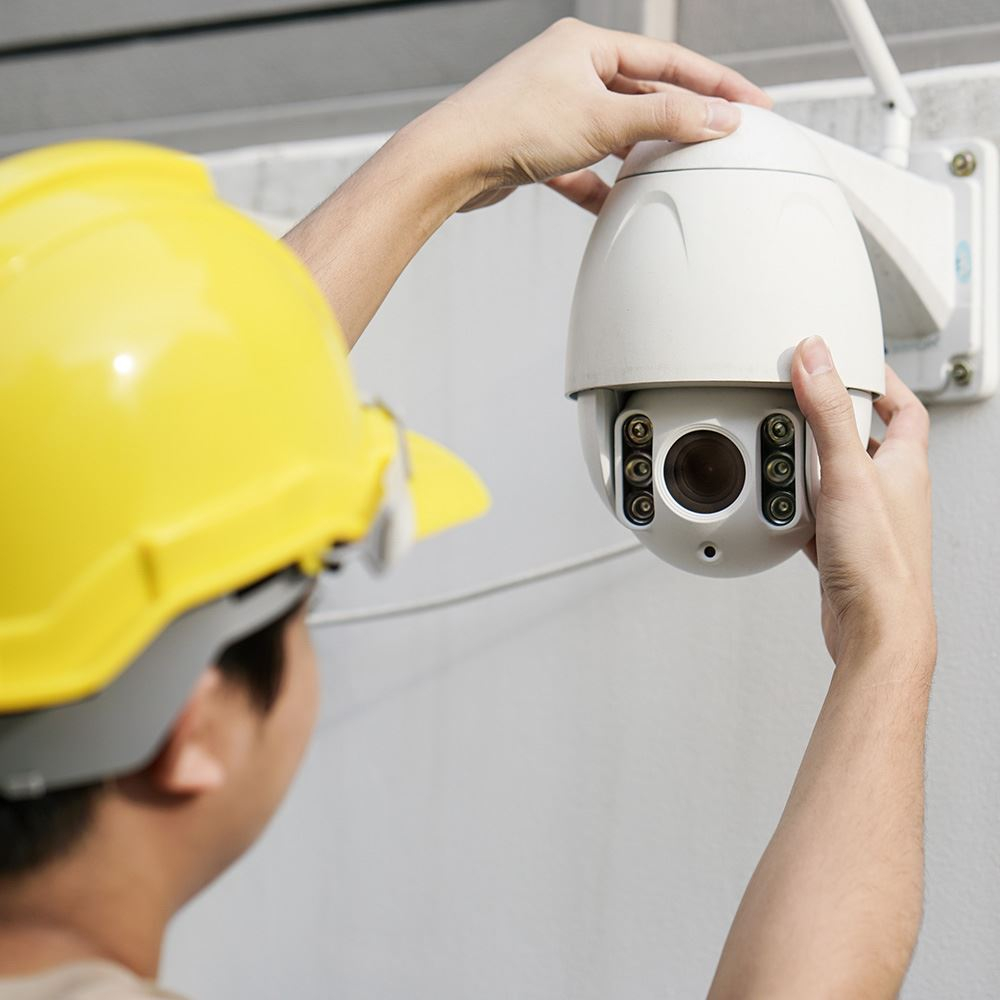
CCTV systems are designed to provide reliable surveillance, but their performance can be significantly influenced by weather conditions and lighting environments. Rain, fog, extreme temperatures, and poor illumination can all affect image clarity, camera durability, and long-term reliability. Understanding these factors is essential when planning CCTV installation for both residential and commercial properties.
This guide explains how environmental conditions impact CCTV performance and offers practical installation tips to ensure clear, consistent footage all year round.
Why Environmental Conditions Matter in CCTV Installation
CCTV cameras operate outdoors and indoors for extended periods, often exposed to unpredictable conditions. Unlike controlled indoor environments, outdoor installations must handle moisture, temperature changes, glare, darkness, and airborne particles.
Poor planning around these factors can result in:
-
Blurry or washed-out footage
-
Reduced night visibility
-
Camera damage or early failure
-
Increased maintenance costs
A well-designed CCTV system anticipates these challenges before installation begins.
The Impact of Weather on CCTV Performance
Rain and Moisture Exposure
Rain is one of the most common challenges for outdoor CCTV cameras. Water droplets on the lens can distort images, while prolonged exposure to moisture may cause internal damage if the camera is not properly sealed.
Installation Tips for Rainy Conditions
-
Use cameras with weather-resistant housing
-
Install under eaves or protective covers where possible
-
Angle cameras slightly downward to prevent water pooling on the lens
-
Ensure cable entry points are sealed to stop water ingress
Fog, Mist, and High Humidity
Fog and mist scatter light, reducing contrast and making images appear hazy. High humidity can also lead to condensation inside poorly ventilated camera housings.
How to Reduce Fog-Related Issues
-
Choose cameras with anti-fog or defog technology
-
Install at optimal distances to avoid excessive zoom
-
Avoid positioning cameras close to warm air vents or exhausts
-
Ensure proper ventilation for outdoor enclosures
Extreme Cold and Freezing Temperatures
Cold weather can affect camera electronics, slow response times, and reduce battery efficiency in wireless systems. In freezing conditions, ice buildup may also block the camera’s field of view.
Cold-Weather CCTV Installation Tips
-
Select cameras rated for low-temperature operation
-
Use wired power sources instead of batteries where possible
-
Mount cameras away from areas prone to ice formation
-
Schedule periodic inspections during winter months
Heat and Direct Sunlight
High temperatures and prolonged sun exposure can cause overheating, sensor damage, and image distortion. Direct sunlight can also create glare, making footage unusable at certain times of day.
Best Practices for Hot Conditions
-
Avoid pointing cameras directly at the sun
-
Install sun shields or use shaded mounting positions
-
Choose cameras with wide dynamic range
-
Ensure adequate airflow around camera housing
How Lighting Conditions Affect CCTV Image Quality
Low-Light and Night-Time Challenges
Poor lighting is one of the biggest obstacles to effective surveillance. Without adequate illumination, cameras struggle to capture facial features, number plates, or movement clearly.
Improving Night-Time Visibility
-
Use cameras with infrared night vision
-
Ensure the infrared range matches the monitored area
-
Avoid reflective surfaces that can cause infrared glare
-
Position cameras to minimise shadows
Artificial Lighting and Glare Issues
Streetlights, vehicle headlights, and security lights can cause overexposure or glare, washing out important details in footage.
Managing Artificial Light Interference
-
Adjust camera angles to avoid direct light sources
-
Use cameras with automatic light balancing
-
Install diffused lighting rather than harsh spotlights
-
Test footage at different times of night before finalising placement
Sudden Lighting Changes
Rapid changes in lighting, such as headlights entering a driveway or doors opening from dark to bright areas, can confuse camera sensors.
Installation Tips for Variable Lighting
-
Use cameras with fast exposure adjustment
-
Avoid placing cameras facing reflective surfaces
-
Position cameras at angles that reduce sudden light transitions
-
Test scenarios during peak traffic or movement times
Choosing the Right CCTV Camera for Environmental Conditions
Indoor vs Outdoor Camera Design
Outdoor cameras are built differently from indoor models and must withstand harsher environments.
Outdoor cameras typically feature:
-
Weather-sealed casings
-
Stronger mounting brackets
-
Enhanced temperature tolerance
Using indoor cameras outside is one of the most common causes of system failure.
Lens Selection and Field of View
The choice of lens affects how well a camera performs in challenging conditions. Wider lenses capture more light, while narrow lenses offer detail but may struggle in poor lighting.
Balancing coverage and clarity is essential for reliable performance.
Professional Installation Makes a Difference
Correct camera positioning, mounting height, and environmental assessment are just as important as camera quality. Professional installers assess:
-
Sun paths and shadow movement
-
Weather exposure levels
-
Lighting patterns throughout the day
-
Seasonal changes affecting visibility
Experienced providers like sahisecure volt consider these factors to ensure CCTV systems deliver consistent results in all conditions.
Maintenance Tips for Long-Term Performance
Even the best-installed CCTV systems need regular maintenance to handle environmental wear and tear.
Essential Maintenance Practices
-
Clean camera lenses regularly
-
Check housing seals and mounts
-
Inspect cables for weather damage
-
Review footage quality seasonally
-
Update firmware when available
Preventive maintenance significantly extends system lifespan and reliability.
Common Weather-Related CCTV Problems to Avoid
-
Mounting cameras too high or too low
-
Ignoring sun glare during installation
-
Using non-rated equipment outdoors
-
Relying solely on infrared without testing
-
Failing to account for seasonal weather changes
Avoiding these mistakes ensures clearer footage and fewer system issues.
Final Thoughts on Weather-Smart CCTV Installation
Weather and lighting conditions play a critical role in how well CCTV systems perform. From heavy rain and fog to low-light environments and intense sunlight, every factor must be considered during planning and installation.
By selecting suitable equipment, positioning cameras strategically, and planning for environmental challenges, you can achieve reliable surveillance throughout the year. A well-installed CCTV system not only improves security but also reduces long-term costs and operational problems.
 Portuguese (Brazil)
 English
 Arabic
 French
 Spanish
 Portuguese
 Deutsch
 Turkish
 Dutch
Dutch
 Italiano
 Russian
 Romaian
 Greek
Greek
