


 Pro Benefits
 About
About
 Términos
 Privacidad
 Child Safety & Protection
 Notificaciones
 Ayrush Global It Services Pvt Ltd
The Radiant Reach: A Comprehensive Guide to Hasta Uttanasana
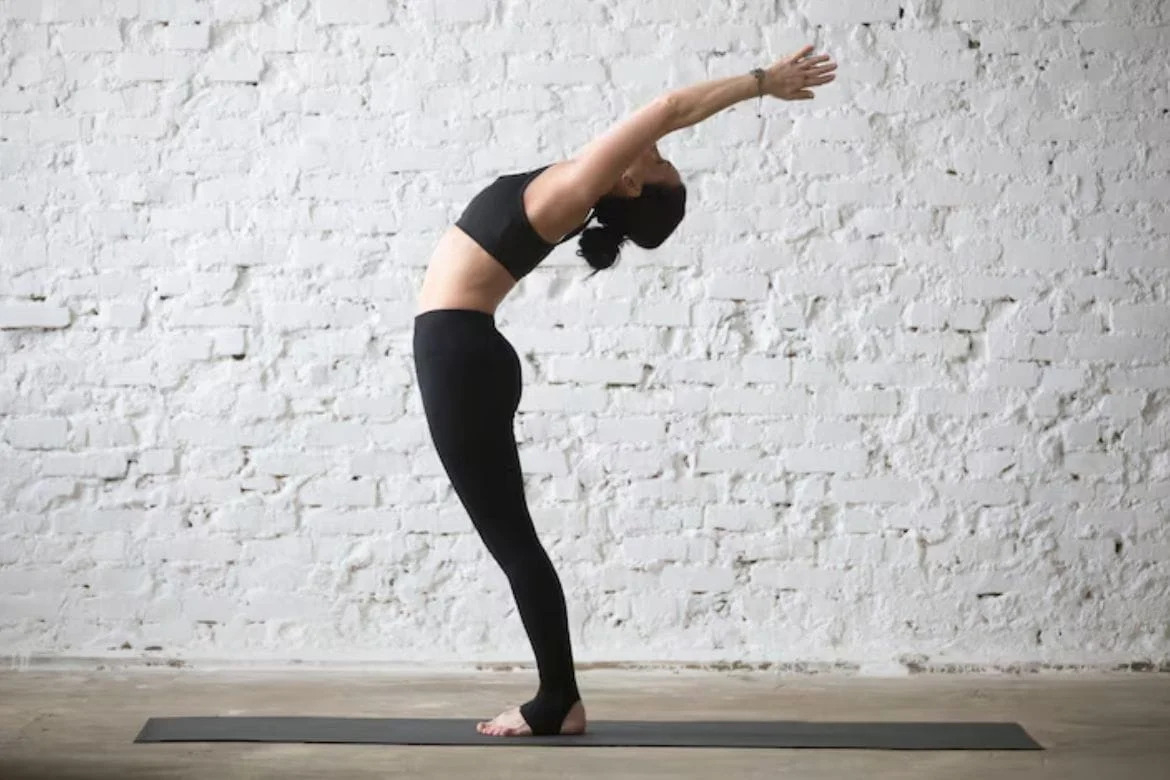
Yoga is often described as a dance between effort and surrender. Among its vast repertoire of postures, few embody this balance as elegantly as Hasta Uttanasana, commonly known as the Raised Arms Pose. While it is frequently practiced as the second and eleventh position in the Surya Namaskar (Sun Salutation) sequence, viewing it merely as a transitional move does a disservice to its profound physiological and psychological benefits.
In this exploration, we will dive deep into the mechanics, benefits, spiritual significance, and common pitfalls of Hasta Uttanasana, providing you with the tools to elevate your practice from a simple stretch to a moving meditation.
Understanding the Essence of Hasta Uttanasana
The name is derived from three Sanskrit words: Hasta (hand), Uttana (intense stretch), and Asana (posture). Literally translated, it is the "Intense Hand Stretch Posture." In the context of Hatha Yoga, it represents an upward surge of energy—a physical manifestation of reaching toward the light or the sun.
Physically, Hasta Uttanasana is a standing backbend. However, unlike deep backbends like Chakrasana (Wheel Pose), this pose focuses on the lengthening of the entire anterior (front) chain of the body. It is about verticality and expansion rather than just spinal compression.
Step-by-Step Execution
To reap the full rewards of Hasta Uttanasana, precision in alignment is key. Follow these steps to perform the pose with integrity:
-
The Foundation (Pranamasana to Tadasana): Start by standing at the front of your mat. Ensure your weight is distributed evenly across all four corners of your feet. Engage your thighs, tuck your tailbone slightly, and find your center.
-
The Ascent: As you inhale deeply, sweep your arms upward. You can keep your palms facing each other or join them together in Anjali Mudra. Ensure your biceps are close to your ears, but keep your shoulders relaxed away from the neck.
-
The Stretch: Continue the inhalation as you lift your chest toward the ceiling. Think of "growing taller" before leaning back. The stretch should feel like it is originating from the abdomen and the thoracic spine (upper back) rather than the lumbar spine (lower back).
-
The Arc: Gently tilt your head back to look at your thumbs, provided you have no neck issues. Push your pelvis slightly forward to balance the weight, but keep your core engaged to protect your spine.
-
Hold and Breathe: Maintain the pose for several breaths if practicing it as a standalone, or flow into the next movement of your sequence. Feel the expansion in your ribcage with every inhale.
The Physiological Benefits
The impact of Hasta Uttanasana on the physical body is extensive. By opening the front of the body, we counteract the "C-curve" that many of us adopt while sitting at computers or looking at smartphones.
1. Respiratory Expansion
In Hasta Uttanasana, the intercostal muscles (the muscles between your ribs) are stretched. This allows the lungs to expand more fully, increasing oxygen intake and improving the efficiency of the respiratory system. It is often recommended for those looking to improve their lung capacity or manage mild respiratory congestion.
2. Digestive Stimulation
The gentle arching of the back stretches the abdominal muscles and the diaphragm. This creates a "vacuum" effect and subsequent release that massages the stomach, liver, and intestines. Regular practice can aid in relieving constipation and improving overall digestive fire (Agni).
3. Spinal Decompression and Strength
While it is a backbend, the primary action is lengthening. This helps in creating space between the vertebrae. It strengthens the extensor muscles of the back and improves the flexibility of the spinal column, making the body more resilient to injury.
4. Thyroid and Parathyroid Regulation
The gentle extension of the neck in the final stage of Hasta Uttanasana stimulates the throat area. This can help in balancing the functions of the thyroid and parathyroid glands, which are crucial for metabolism and calcium regulation.
The Psychological and Energetic Impact
Yoga teaches us that the physical body is a gateway to the subtle body. Hasta Uttanasana is a powerful "heart opener."
-
Combating Lethargy: The act of raising the arms and looking upward is inherently energizing. It stimulates the sympathetic nervous system in a controlled way, helping to dispel "Tamas" (heavy, dark energy or laziness).
-
Vulnerability and Courage: Exposing the throat and chest is a gesture of vulnerability. By holding Hasta Uttanasana, we train the mind to remain calm and steady even when our "armored" front is open, fostering a sense of inner confidence and courage.
-
Chakra Activation: This pose primarily activates the Vishuddha (Throat) Chakra and the Anahata (Heart) Chakra. It encourages clear communication and an open, compassionate heart. Because of the slight pressure on the lower abdomen, it also stimulates the Manipura (Solar Plexus) Chakra, our center of personal power.
Common Mistakes and How to Avoid Them
Even seasoned practitioners can fall into habits that limit the effectiveness of Hasta Uttanasana.
|
Mistake |
Correction |
|
Crunching the Lower Back |
Instead of bending from the waist, focus on lifting the ribcage away from the pelvis. Engage the glutes and core to stabilize the lumbar spine. |
|
Shrugging Shoulders |
Keep the space between your ears and shoulders wide. Rotate your outer arms inward to create "room" for the neck. |
|
Locking the Knees |
Keep a micro-bend in the knees. This ensures the stretch stays in the muscles and doesn't put undue pressure on the joints. |
|
Holding the Breath |
In Hasta Uttanasana, the inhalation is what fuels the expansion. If you can't breathe comfortably, you've gone too deep into the backbend. |
Modifications and Variations
Yoga is for every body. If the standard version of Hasta Uttanasana feels inaccessible, consider these adjustments:
-
Wall Support: Stand with your back a few inches away from a wall. As you reach up and back, let your fingertips touch the wall for balance and support.
-
Shoulder Issues: If raising arms fully causes pain, keep the arms in a "cactus" shape (elbows bent at 90 degrees) to open the chest without straining the rotator cuffs.
-
Neck Sensitivity: Instead of looking up at your hands, keep your gaze straight ahead. This prevents strain on the cervical spine while still allowing for the chest opening.
Integrating Hasta Uttanasana into Daily Life
You don't need a yoga mat to experience the benefits of Hasta Uttanasana. It is one of the best "desk break" stretches available. Every hour, stand up, reach your arms high, and take three deep breaths in this position. You will notice an immediate shift in your energy levels and a reduction in the physical tension that accumulates from sitting.
In the context of a full practice, use this pose to set your intention. As you reach up, imagine you are gathering energy from the environment; as you arch back, imagine you are offering your practice to something greater than yourself.
Conclusion
Hasta Uttanasana is far more than a simple upward reach. It is a posture of celebration, a tool for respiratory health, and a guardian of spinal flexibility. By paying attention to the nuances of alignment—from the grounding of the feet to the extension of the fingertips—you transform this pose into a source of profound vitality.
Whether you are a beginner learning the Sun Salutation or an advanced yogi seeking deeper heart opening, returning to the fundamentals of Hasta Uttanasana will always yield new insights.

 English
 Arabic
 French
 Portuguese
 Deutsch
 Turkish
 Dutch
Dutch
 Italiano
 Russian
 Romaian
 Portuguese (Brazil)
 Greek
Greek
