


 Pro Benefits
 Σχετικά
 Όρους
Όρους
 Ιδιωτικότητα
 Child Safety & Protection
 Ειδοποιήσεις
 Ayrush Global It Services Pvt Ltd
Knitwear Manufacturing in Pakistan: A Complete Overview of Industry, Growth, and Global Opportunities
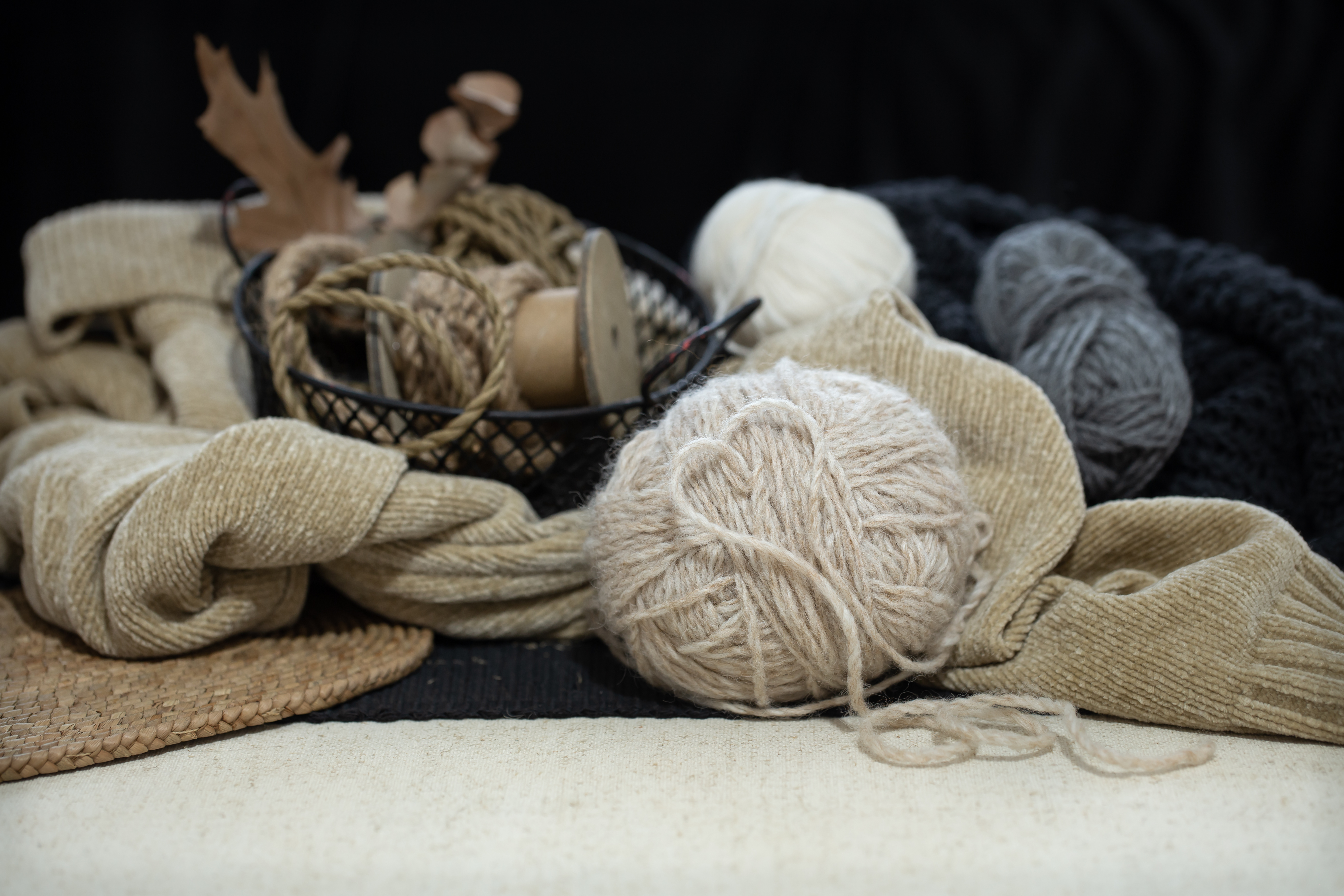
Knitwear manufacturing in Pakistan has emerged as one of the country’s most significant industrial sectors, playing a vital role in the economy and exports. Known for producing high-quality sweaters, cardigans, t-shirts, hoodies, sportswear, and other knitted garments, Pakistan has gained international recognition as a reliable knitwear supplier. The global fashion industry demands comfort, durability, and cost-effectiveness, and Pakistani knitwear manufacturers have managed to fulfill these expectations consistently.
This article explores the knitwear manufacturing in Pakistan, covering its history, production processes, export potential, challenges, and future opportunities.
Historical Background of Knitwear Manufacturing in Pakistan
The textile industry is the backbone of Pakistan’s economy, and knitwear is one of its fastest-growing segments. After the country’s independence in 1947, textile and apparel manufacturing became a priority for industrial development. By the 1970s and 1980s, Pakistan had developed strong spinning and weaving capacities, which laid the foundation for knitwear production.
In the 1990s, as global demand for casual and comfortable clothing increased, knitwear exports from Pakistan grew rapidly. Today, Pakistan is among the top exporters of knitwear products, supplying markets in Europe, North America, and the Middle East.
Importance of Knitwear in Pakistan’s Economy
Knitwear manufacturing is a vital contributor to Pakistan’s economy. According to recent export data, knitwear accounts for over 15% of total textile exports, making it one of the leading segments of apparel trade. This industry:
-
Generates billions of dollars annually in foreign exchange.
-
Provides employment to millions of skilled and semi-skilled workers.
-
Supports allied industries such as spinning, dyeing, packaging, and logistics.
-
Contributes to regional development by promoting small- and medium-sized enterprises (SMEs).
The government has also recognized knitwear as a strategic product line, supporting manufacturers with export incentives and trade facilitation measures.
The Knitwear Manufacturing Process in Pakistan
Knitwear manufacturing involves several stages, from raw material preparation to finished garment production. Pakistani manufacturers follow international standards to ensure quality and efficiency.
Raw Material Selection
The most commonly used raw materials in knitwear are:
-
Cotton – Pakistan is one of the largest cotton producers in the world.
-
Blends – Cotton-polyester blends are widely used for durability.
-
Wool and Acrylic – Used for sweaters and winter garments.
-
Sustainable fibers – Increasing demand for organic cotton and recycled fibers.
Knitting
Knitting is the process of interlocking yarns using specialized machines. Manufacturers in Pakistan use both circular knitting machines (for t-shirts, sportswear, hoodies) and flat knitting machines (for sweaters, cardigans).
Dyeing and Finishing
Fabric dyeing and finishing give the knitwear its final color, texture, and softness. Pakistan has modern dyeing facilities that comply with environmental standards, especially for European Union and US buyers.
Cutting and Stitching
The knitted fabric is cut into specific patterns and stitched using industrial sewing machines. Advanced factories also use CAD/CAM technology to improve precision and reduce fabric wastage.
Quality Control
Before export, every garment undergoes strict quality checks to ensure stitching strength, fabric consistency, and proper labeling.
Packaging and Shipping
Finally, garments are pressed, packed, and shipped to international buyers. Many companies also offer private label services for fashion brands worldwide.
Key Products in Pakistani Knitwear Manufacturing
Pakistani knitwear manufacturers produce a wide range of garments suitable for different seasons and markets. Some of the most popular products include:
-
T-shirts and Polo shirts
-
Sweaters and Cardigans
-
Hoodies and Sweatshirts
-
Sportswear and Activewear
-
Children’s Knitwear
-
Workwear and Uniforms
-
Winter Accessories (gloves, scarves, beanies)
The diversity of production makes Pakistan a one-stop solution for global fashion brands.
Major Knitwear Manufacturing Hubs in Pakistan
The knitwear industry is concentrated in major industrial cities, including:
-
Faisalabad – Known as the “Manchester of Pakistan,” it is the largest textile hub.
-
Lahore – Famous for high-end knitwear, fashion brands, and boutique manufacturers.
-
Karachi – Home to export-oriented knitwear factories and ports for shipping.
-
Sialkot – Specializes in sportswear and activewear knit products.
Each hub contributes uniquely to the country’s knitwear exports.
Export Potential of Knitwear Manufacturing in Pakistan
Pakistan is one of the top ten exporters of knitwear globally. Major export destinations include:
-
European Union (Germany, UK, France, Spain, Italy)
-
United States
-
Canada
-
Middle East (UAE, Saudi Arabia, Qatar)
-
East Asia (China, Japan, South Korea)
The European Union remains the largest buyer due to the Generalized Scheme of Preferences Plus (GSP+), which provides duty-free access for Pakistani goods.
According to the Pakistan Bureau of Statistics, knitwear exports reached over $4 billion in 2022–2023, and the demand continues to grow.
Strengths of Pakistan’s Knitwear Industry
Several factors make Pakistan an attractive source for knitwear manufacturing:
-
Abundant Raw Materials – Local cotton production reduces dependency on imports.
-
Skilled Workforce – Millions of workers are experienced in textile and garment production.
-
Competitive Prices – Labor costs are lower compared to many other countries.
-
Modern Technology – Many factories use automated knitting and stitching equipment.
-
Global Reputation – Pakistan is known for high-quality cotton knitwear products.
Challenges Facing the Knitwear Industry in Pakistan
Despite its strengths, the industry faces several challenges:
-
Energy Crisis – Frequent electricity and gas shortages affect production.
-
Outdated Machinery – Some SMEs still use old equipment, reducing efficiency.
-
Compliance Issues – Meeting international labor and environmental standards requires continuous investment.
-
Global Competition – Countries like Bangladesh, Vietnam, and China are strong competitors.
-
Economic Instability – Currency fluctuations and inflation affect production costs.
Future Opportunities in Knitwear Manufacturing
The future of knitwear manufacturing in Pakistan looks promising, provided the industry adapts to global market trends. Opportunities include:
-
Sustainable and Eco-friendly Knitwear – Growing demand for organic cotton and recycled fibers.
-
E-commerce and Private Labels – More international brands are sourcing directly from manufacturers for online sales.
-
Technical and Performance Knitwear – Sportswear and activewear are in high demand worldwide.
-
Value Addition – Focusing on design, branding, and fashion-forward products.
-
Government Support – Export incentives and trade agreements can further boost growth.
Role of Government and Associations
The Pakistani government and industry associations like the Pakistan Hosiery Manufacturers & Exporters Association (PHMA) play a crucial role in supporting the knitwear sector. They:
-
Lobby for export incentives.
-
Provide training programs.
-
Facilitate participation in international trade fairs.
-
Help manufacturers comply with international standards.
Conclusion
Knitwear manufacturing in Pakistan is not just an industrial activity; it is a symbol of the country’s strength in the global textile supply chain. With abundant raw materials, skilled labor, and increasing adoption of modern technologies, Pakistan has the potential to expand its knitwear exports even further.
Although challenges such as energy shortages and international competition exist, the future is bright for this industry. By focusing on sustainability, innovation, and quality, Pakistan can continue to establish itself as a leading knitwear manufacturing hub worldwide.

 English
 Arabic
 French
 Spanish
 Portuguese
 Deutsch
 Turkish
 Dutch
Dutch
 Italiano
 Russian
 Romaian
 Portuguese (Brazil)
