


 Pro Benefits
 About
About
 Termeni
 Confidențialitate
 Child Safety & Protection
 Notificări
 Ayrush Global It Services Pvt Ltd
How Can I Tell If My Abdominal Pain Is Serious?
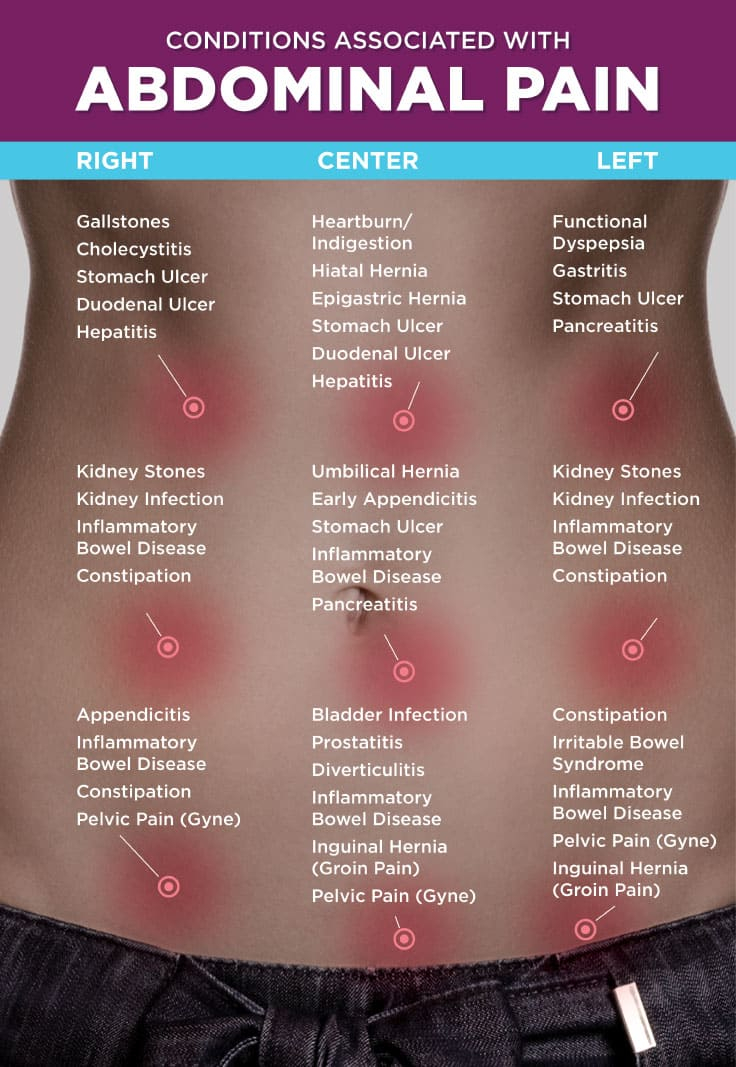
Abdominal pain is one of the most common reasons people seek medical advice. It can range from mild discomfort to severe, debilitating pain, and its causes vary widely from harmless digestive issues to life-threatening emergencies. Knowing how to distinguish between minor abdominal pain and pain that signals something serious is crucial for timely care and better outcomes.
Below is a comprehensive guide to help you assess abdominal pain, understand warning signs, and decide when to seek medical attention.
Understanding Abdominal Pain
The abdomen houses many vital organs, including the stomach, intestines, liver, gallbladder, pancreas, kidneys, bladder, and (in women) reproductive organs. Pain can originate from any of these structures, and its location, quality, intensity, and timing offer important clues.
Abdominal pain is generally classified into three types:
Visceral pain
- Comes from internal organs
- Often dull, crampy, or achy
- Can be hard to pinpoint (e.g., stomach cramps, intestinal gas)
Parietal pain
- Originates from the lining of the abdominal cavity
- Sharp, intense, and well localized
- Worsens with movement or coughing (e.g., appendicitis)
Referred pain
- Felt in a different area than the source
- Example: gallbladder pain felt in the right shoulder
- Understanding which type of pain you’re experiencing can help determine its seriousness.
Common Causes of Mild or Non-Serious Abdominal Pain
Many episodes of abdominal pain are temporary and not dangerous. Common non-serious causes include:
- Indigestion or acid reflux
- Gas and bloating
- Constipation or mild diarrhea
- Menstrual cramps
- Mild food intolerance
- Stress or anxiety
- Viral gastroenteritis (“stomach flu”)
These types of pain usually improve within hours to a few days and respond to rest, hydration, or over-the-counter treatments.
Red Flags: When Abdominal Pain May Be Serious
You should be concerned if abdominal pain is accompanied by warning signs that suggest an underlying medical emergency or serious illness.
1. Severe or Worsening Pain
- Sudden, intense pain (“worst pain of your life”)
- Pain that steadily worsens over several hours
- Pain that prevents you from standing or moving comfortably
This may indicate conditions such as appendicitis, bowel obstruction, perforated ulcer, or pancreatitis.
2. Pain in a Specific High-Risk Location
Certain locations are more concerning:
- Right lower abdomen: appendicitis
- Right upper abdomen: gallstones or liver disease
- Upper central abdomen radiating to the back: pancreatitis
- Lower abdomen with pelvic pain: gynecologic emergencies
3. Fever or Signs of Infection
Abdominal pain with
- Fever or chills
- Rapid heartbeat
- Fatigue or weakness
may suggest infection or inflammation, such as diverticulitis, cholecystitis, or abdominal abscess.
4. Persistent Vomiting or Inability to Eat
- Vomiting that lasts more than 24 hours
- Inability to keep fluids down
- Vomiting blood or coffee-ground-like material
- These symptoms can indicate obstruction, bleeding, or severe infection.
5. Changes in Bowel Movements
Seek medical help if pain is associated with:
- Blood in stool (bright red or black, tarry stools)
- Persistent diarrhea or constipation
- Sudden change in bowel habits
- Pencil-thin stools
These can be signs of gastrointestinal bleeding, inflammatory bowel disease, or colorectal cancer.
6. Abdominal Swelling or Rigidity
- A visibly swollen abdomen
- Hard or “board-like” feeling
- Severe tenderness when touched
These signs may indicate internal bleeding, bowel perforation, or advanced infection.
7. Unexplained Weight Loss or Loss of Appetite
Chronic abdominal pain with:
- Unintentional weight loss
- Ongoing fatigue
- Anemia
should never be ignored, as it may point to malignancy, chronic infection, or systemic disease.
Special Populations: Extra Caution Needed
Children
Children may not clearly describe pain. Warning signs include:
- Persistent crying
- Refusal to eat
- Lethargy
- Fever with abdominal pain
- Prompt evaluation is essential.
Pregnant Women
Abdominal pain during pregnancy may relate to:
- Ectopic pregnancy
- Placental issues
- Preterm labor
Any moderate to severe pain should be evaluated urgently.
Older Adults
In older adults, serious abdominal conditions may present with milder pain but greater risk. Even vague discomfort can indicate significant disease.
Chronic vs. Acute Abdominal Pain
Acute pain develops suddenly and may be a medical emergency.
Chronic pain lasts weeks to months and may relate to conditions such as irritable bowel syndrome (IBS), ulcers, or inflammatory diseases.
Chronic pain still warrants evaluation, especially if symptoms change or worsen.
Can Medications or Infections Be a Factor?
Certain medications can irritate the stomach or intestines, including NSAIDs and antibiotics. Parasitic infections can also cause abdominal discomfort, diarrhea, and weight loss. In some healthcare discussions, treatments such as antiparasitic medications are mentioned, and supply chains (for example, mebendazole wholesale distribution) may be relevant in public health or pharmaceutical contexts. However, diagnosis and treatment should always be guided by a qualified healthcare professional.
When to Seek Immediate Medical Care
Go to the emergency room or seek urgent care if you have abdominal pain along with:
- Sudden, severe pain
- Chest pain or shortness of breath
- Fainting or confusion
- Signs of internal bleeding
- High fever with abdominal tenderness
Trust your instincts if something feels wrong, it’s better to be evaluated promptly.
What You Can Do While Waiting for Care
If symptoms are mild and you are monitoring them:
- Avoid solid food temporarily
- Drink clear fluids
- Avoid alcohol and NSAIDs
- Note pain location, timing, and triggers
- This information can be very helpful to your healthcare provider.
Final Thoughts
Abdominal pain is common, but not all abdominal pain is benign. The key to knowing whether it is serious lies in severity, duration, associated symptoms, and personal risk factors. While occasional mild discomfort is usually harmless, persistent or severe pain especially with red-flag symptoms should never be ignored.
Early medical evaluation can prevent complications and, in many cases, save lives. When in doubt, err on the side of caution and consult a healthcare professional.

 English
 Arabic
 French
 Spanish
 Portuguese
 Deutsch
 Turkish
 Dutch
Dutch
 Italiano
 Russian
 Portuguese (Brazil)
 Greek
Greek
