


 Pro Benefits

 الشروط
 الخصوصية
 Child Safety & Protection
 الإشعارات
 Ayrush Global It Services Pvt Ltd
Is Online distance Education Worth It in India in 2026?
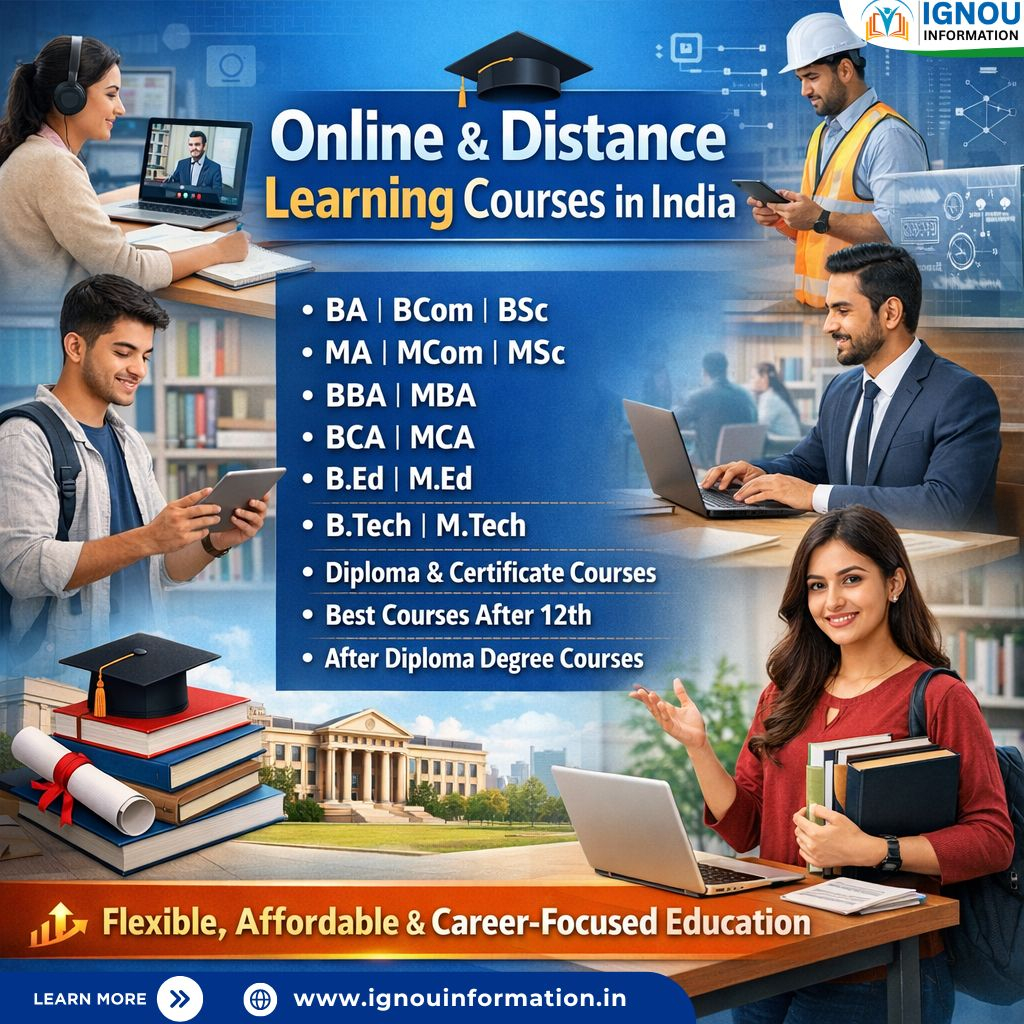
India’s education and employment ecosystem is undergoing a major transformation in 2026. Rapid technological growth, digital hiring practices, remote work culture, and changing skill demands are reshaping how students and professionals approach higher education. Traditional classroom-based learning is no longer the only route to career success. Instead, flexible, accessible, and cost-effective learning models are becoming increasingly popular.
One of the most significant developments in this shift is the rise of online distance education. It enables learners to pursue academic qualifications without being restricted by geography, rigid schedules, or high expenses. For students planning their futures, professionals aiming for career growth, and individuals considering a career change, distance education has become a serious and strategic option.
But a critical question remains: Is online distance education truly worth it in India in 2026? This article explores the relevance, benefits, challenges, career scope, and decision factors to help learners and parents make informed choices.
Understanding Online Distance Education in India
Online distance education refers to academic programs delivered primarily through digital platforms, allowing students to learn remotely. These programs combine online lectures, digital study materials, virtual assessments, discussion forums, and interactive tools to create a structured learning environment.
Difference Between Regular, Distance, and Online Learning
Regular Education:
Traditional classroom-based learning that requires physical attendance. It offers direct faculty interaction, campus exposure, and peer networking but often lacks flexibility.
Distance Education:
Learning through self-study materials, recorded lectures, and periodic academic interactions. It allows students to study at their own pace with limited physical engagement.
Online Learning:
A more interactive form of distance education that uses digital platforms for live classes, recorded sessions, online assignments, and real-time communication with instructors.
How Digital Platforms and Universities Deliver Education
Universities use learning management systems (LMS) to provide:
-
Live and recorded video lectures
-
Digital textbooks and reading resources
-
Online assignments and quizzes
-
Virtual discussion forums
-
Online examinations and result tracking
These platforms ensure consistent academic delivery and enable learners to manage their studies efficiently.
Why Online Distance Education Is Gaining Importance in 2026
Changing Employment Trends
The Indian job market in 2026 is highly dynamic. Employers now prioritize adaptability, continuous learning, and practical skills. Job roles are evolving rapidly, requiring professionals to upgrade their knowledge regularly.
Skill-Based Hiring and Continuous Learning
Organizations increasingly focus on skills rather than only traditional degrees. Distance education courses emphasize applied learning, certifications, and project-based knowledge, supporting long-term employability.
Employer Acceptance and Recognition
With proper accreditation and UGC recognition, online degree programs are gaining acceptance across industries. Employers now recognize distance qualifications, especially when paired with strong practical skills and work experience.
Who Should Consider Distance Education in 2026
Students Unable to Attend Full-Time Colleges
Many students face financial constraints, family responsibilities, or geographical barriers. Distance learning in India provides access to higher education without relocation or high living costs.
Working Professionals Balancing Work and Study
Professionals aiming for promotions, salary growth, or leadership roles benefit from flexible learning models that allow them to study alongside their jobs.
Career Switchers and Lifelong Learners
Individuals planning career transitions can use distance education to gain new qualifications, explore emerging industries, and develop job-relevant skills.
Learners from Rural and Semi-Urban Areas
Online education bridges the gap between urban and rural learners by providing equal access to quality academic resources.
Eligibility and Admission Process
General Eligibility for UG and PG Programs
Undergraduate Programs:
-
Completion of 10+2 from a recognized board
Postgraduate Programs:
-
Bachelor’s degree from a recognized university
Some professional courses may require subject-specific backgrounds or minimum qualifying marks.
Documentation and Admission Steps
The admission process typically includes:
-
Online application submission
-
Uploading academic certificates
-
Identity verification
-
Fee payment
Entry Requirements for Working Professionals
Most institutions do not require work experience for general programs, but executive or specialized courses may prefer candidates with professional backgrounds.
Popular Online Distance Education Courses
Undergraduate Programs
-
Bachelor of Arts (BA)
-
Bachelor of Commerce (BCom)
-
Bachelor of Business Administration (BBA)
-
Bachelor of Computer Applications (BCA)
-
Bachelor of Science (BSc)
Postgraduate Programs
-
Master of Arts (MA)
-
Master of Commerce (MCom)
-
Master of Business Administration (MBA)
-
Master of Computer Applications (MCA)
-
Master of Science (MSc)
Diploma and Certificate Courses
-
Digital Marketing
-
Data Analytics
-
Financial Accounting
-
Project Management
-
Human Resource Management
These distance education courses offer industry-aligned skills and career-focused learning.
read more: Top Reasons to Choose M.Ed Distance Education in India
Career Scope and Job Opportunities
Entry-Level and Mid-Level Roles
Graduates can explore opportunities such as:
-
Business executive
-
Digital marketing specialist
-
Software developer
-
HR executive
-
Data analyst
-
Financial consultant
Industry Relevance
Online degree programs align with evolving industry needs, supporting roles in IT, management, education, finance, healthcare administration, and emerging digital sectors.
Long-Term Career Impact
With continuous learning and experience, learners can achieve sustained career growth through education, leadership development, and cross-functional mobility.
Advantages of Online Distance Education
Flexibility and Convenience
Students can study anytime, anywhere, balancing work, family, and education effectively.
Cost-Effectiveness
Lower tuition fees, minimal travel expenses, and reduced accommodation costs make distance education affordable.
Wider Access to Education
It enables learners from diverse backgrounds to access UGC-recognized programs across disciplines.
Limitations and Important Considerations
Self-Discipline and Motivation Challenges
Without daily classroom schedules, students must maintain strong time management and motivation.
Practical Training Limitations
Some technical or laboratory-based subjects require physical exposure, which may be limited in online formats.
Importance of Recognized Institutions
Students must ensure they enroll in accredited and UGC-recognized programs to avoid future academic or employment issues.
How to Choose the Right Online Distance Program
Accreditation and UGC Recognition
Verify institutional approvals and regulatory recognition.
Curriculum Relevance
Choose programs aligned with current industry demands and skill trends.
Student Support and Learning Tools
Look for platforms offering academic mentoring, doubt resolution, digital libraries, and placement guidance.
Conclusion
In 2026, online distance education has firmly established itself as a practical, flexible, and reliable higher education option in India. With evolving job markets, increasing demand for skill-based learning, and growing acceptance of UGC-recognized programs, distance education now plays a vital role in academic and career planning. For students, working professionals, diploma holders, and career switchers, it offers a balanced pathway to gain qualifications without compromising on work, finances, or personal responsibilities.
However, whether online distance education is truly worth it depends on careful planning, choosing the right course, enrolling in recognized institutions, and maintaining consistent learning discipline. When aligned with clear career goals and supported by continuous skill development, distance education can deliver strong long-term professional outcomes.
To support learners in making informed academic decisions, IGNOU Information works as a trusted educational guidance platform, helping students understand eligibility, compare programs, explore career-oriented courses, and plan their education journey with clarity. With the right information and thoughtful choices, online distance education can become a powerful foundation for sustainable academic success and career growth in India.
Frequently Asked Questions (FAQs)
1. Is online distance education valid in India in 2026?
Yes, degrees from UGC-recognized institutions are valid for employment and further studies across India.
2. Does distance education offer good career scope?
Yes, when combined with relevant skills and practical experience, distance education provides strong career growth opportunities.
3. Which distance courses are best for job opportunities?
MBA, MCA, BBA, BCA, data analytics, digital marketing, and commerce programs offer strong job prospects.
4. How difficult is online distance education?
It requires self-discipline and consistent study habits but is manageable with proper time management.
5. What should students verify before enrolling in 2026?
They should check accreditation, curriculum relevance, faculty quality, learning resources, and examination systems.
6. Is distance education suitable for working professionals?
Yes, flexible learning models make it ideal for professionals seeking career advancement while working.

 English
 French
 Spanish
 Portuguese
 Deutsch
 Turkish
 Dutch
Dutch
 Italiano
 Russian
 Romaian
 Portuguese (Brazil)
 Greek
Greek
