


 Pro Benefits
 About
About
 Termeni
 Confidențialitate
 Child Safety & Protection
 Notificări
 Ayrush Global It Services Pvt Ltd
Why Food Safety Compliance Is Critical in B2B Supply Chains
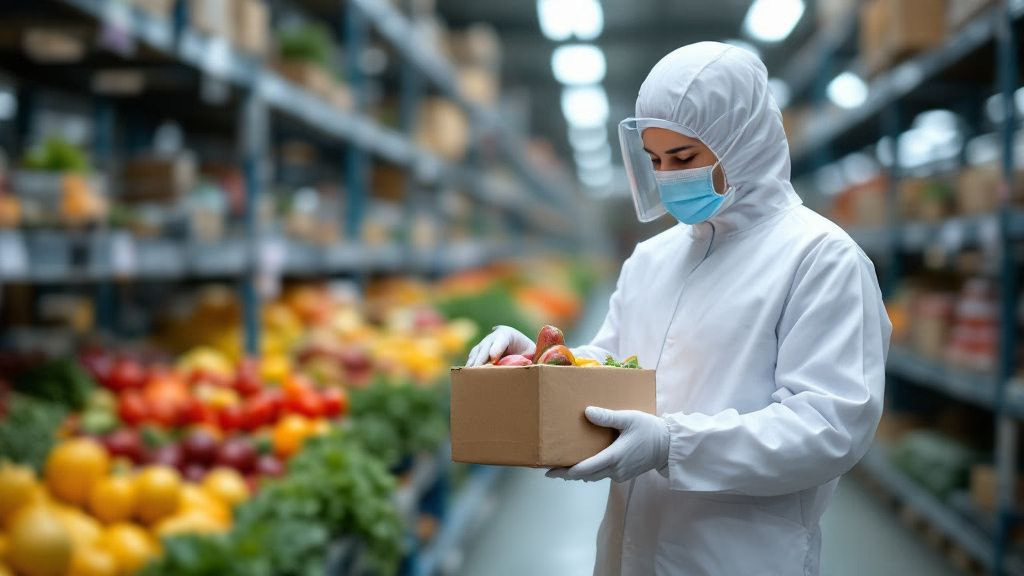
Food moves through many hands in business-to-business deals. From farms to stores, each step matters. Safety rules keep products safe. Without them, problems spread fast. This article explains why compliance is key. It protects health, saves money, and builds trust. Learn how to make it work for your chain.
What Is Food Safety Compliance?
Food safety compliance means following rules to keep food safe. It covers sourcing, making, packing, and shipping. Laws come from governments. Private groups add extra standards.
The goal is to stop harm. Germs, chemicals, or allergens can sneak in. Compliance spots these risks early. It uses plans to fix them. In B2B chains, this means every partner checks their part.
Think of it as a team effort. Suppliers test ingredients. Makers clean tools. Shippers control temperatures. All follow the same rules. This keeps the whole chain strong.
Risks of Ignoring Food Safety in Supply Chains
Skipping compliance brings big trouble. One bad batch ruins many products. Customers get sick. News spreads quick on social media.
Health risks top the list. Millions face foodborne illness each year. In the US alone, thousands die. B2B chains link many people. A farm error hits stores far away.
Legal hits come next. Fines add up. Courts may sue. Governments shut plants down. Recalls cost millions. Dispose bad food. Pay for tests. Fix the mess.
Brand damage lasts long. Trust breaks hard to mend. Partners drop you. Retailers choose safe suppliers. Sales drop. Insurance costs rise. Survival gets tough.
In global chains, risks grow. Food crosses borders. Rules differ by country. One slip blocks exports. Delays hurt profits.
How Non-Compliance Affects Business Partners
In B2B, one weak link fails all. Suppliers send bad goods. Makers pass them on. Distributors store wrong. End buyers face blame.
Partners lose faith. They seek reliable teams. Your spot in the chain vanishes. New deals go elsewhere.
Costs share across links. Recalls pull everyone in. Trace back sources. Notify buyers. Share blame. Relationships sour.
Poor safety scares investors. They want stable firms. Risky ones lose funding. Growth stops.
Benefits of Strong Food Safety Compliance
Good compliance pays off. It guards health first. Safe food means happy eaters. Fewer illnesses build loyalty.
Trust grows in chains. Partners know you care. They stick with you. Contracts last longer. New ones come easy.
Money saves in smart ways. Fewer recalls mean less waste. Efficient checks catch issues early. Operations run smooth.
Market doors open wide. Meet standards to sell abroad. Certifications like ISO impress buyers. Stand out from rivals.
Innovation thrives. Safe bases let you try new things. Add healthy options. Meet green demands. Grow your edge.
Public image shines. Share your safety story. Customers pick you. Sales climb. Profits follow.
Key Standards for B2B Food Safety
Standards guide the way. HACCP is common. It finds hazards. Sets controls. Checks results.
GFSI sets benchmarks. Groups like BRCGS or SQF fit under it. They cover global needs.
Public rules vary. FDA in the US. EU has strict laws. Know your area's codes.
Private standards add more. Retailers demand them. Farms use GlobalGAP. All aim for safe chains.
Pick what fits your spot. Suppliers focus on sources. Distributors on storage. Train teams on them.
Steps to Build Compliance in Your Chain
Start with a plan. Map your chain. Spot weak points. Set rules for each.
Train workers well. Teach hand washing. Show safe storage. Test knowledge often.
Use tech for help. Track temperatures with sensors. Log data on apps. Spot problems fast.
Test often. Sample products. Check for germs. Fix issues quick.
Partner smart. Choose safe suppliers. Audit them. Share standards.
Document all. Keep records. Show proof in checks. This speeds recalls if needed.
Review regular. Meet with teams. Update plans. Stay ahead of changes.
Challenges in B2B Food Safety
Chains face hurdles. Costs for tools and training add up. Small firms struggle.
Rules change often. Keep up or fall behind. Global deals mix laws.
Human errors happen. Tired workers slip. Automation helps cut this.
Supply issues arise. Shortages tempt shortcuts. Stick to rules anyway.
Weather affects farms. Pests or floods bring risks. Plan backups.
Overcome with help. Join groups for tips. Hire experts for audits.
Real Examples of Compliance Success
Look at big wins. One chain used traceability. Caught bad nuts early. Saved a recall.
A maker trained staff. Cut errors by half. Partners praised them. Business grew.
Global firms meet GFSI. Enter new markets. Sales rose 20 percent.
These show value. Safe chains win trust. They last longer.
The Role of Distributors and Suppliers
Distributors hold key spots. They store and move food. Keep temps right. Avoid mix-ups.
In places like Saudi Arabia, heat adds challenges. Food distributor Saudi Arabia firms use cool trucks. They check loads often.
Suppliers start the chain. Test raw goods. Label clear. Wholesale suppliers in saudi arabia focus on sources. They pick safe farms.
All links matter. Work as one. Share info. Build strong bonds.
Future Trends in Food Safety
Tech leads the way. Blockchain tracks from farm to fork. No fakes slip in.
AI spots risks. It checks data fast. Predicts problems.
Green rules grow. Safe and sustainable mix. Meet both for wins.
Consumers demand more. Labels show safety. Chains adapt quick.
Stay ready. Learn new tools. Keep chains safe.
Final Thoughts on Food Safety
Food safety compliance is a must in B2B chains. It protects lives. Saves cash. Builds futures.
Ignore it at your risk. Embrace it for gains. Start checks today. Your chain will thank you.
Safe food means strong business. Make it your goal. Success follows.

 English
 Arabic
 French
 Spanish
 Portuguese
 Deutsch
 Turkish
 Dutch
Dutch
 Italiano
 Russian
 Portuguese (Brazil)
 Greek
Greek
