


 Pro Benefits

 الشروط
 الخصوصية
 Child Safety & Protection
 الإشعارات
 Ayrush Global It Services Pvt Ltd
Abayas and Dresses in Modest Fashion History
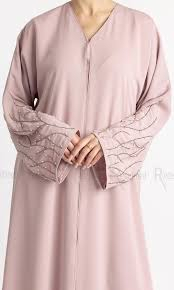
Modest fashion did not emerge overnight. It developed over centuries, shaped by culture, climate, religion, and social values. Among its most enduring garments are abayas and dresses, which have played important roles in how women across the world expressed modesty while adapting to changing lifestyles. Understanding their history provides insight into how modern modest fashion has evolved and why these garments remain relevant today.
In Australia’s multicultural fashion landscape, abayas and dresses are now part of a broader conversation about identity, inclusivity, and personal style. At Redefined U, modest fashion is viewed through this historical and modern lens where tradition informs design without limiting it.
Early Concepts of Modest Dress
The concept of modest dress existed long before fashion became an industry. In many ancient societies, clothing was designed to provide coverage, protection from the environment, and social distinction. Long garments, loose silhouettes, and layered clothing were common across regions.
Dresses in early history were not defined by gender or style as they are today. Both men and women wore long, robe-like garments that covered the body fully. These early forms laid the foundation for what would later become modest dresses.
The idea of modesty in dress was deeply connected to cultural norms rather than trends.
The Historical Role of Dresses in Modesty
Dresses have existed in many cultures as everyday garments. In Europe, Asia, and parts of Africa, long dresses symbolised respectability and social standing. Modest dresses often featured full sleeves, high necklines, and ankle-length hems.
These garments allowed movement while maintaining coverage. Over time, dresses became more tailored, reflecting changes in craftsmanship and societal roles.
In modest fashion history, dresses evolved alongside cultural expectations, remaining adaptable and widely accepted.
Origins of the Abaya
The abaya has its roots in the Middle East, where it emerged as a practical outer garment. Designed to protect from harsh climates while offering modest coverage, the abaya became a cultural staple.
Traditionally worn over other clothing, the abaya symbolised modesty, dignity, and social identity. Its loose design allowed airflow and comfort in warm environments.
While the abaya was initially regional, its influence expanded as cultures interacted through trade and migration.
Abayas as Cultural Garments
Historically, the abaya was closely linked to cultural and religious practices. It served as a visual expression of modest values within specific communities.
However, abayas were not uniform. Styles varied by region, reflecting local fabrics, climate, and customs. This diversity within the garment’s history highlights its adaptability.
The abaya’s role was both functional and symbolic, balancing practicality with identity.
How Abayas and Dresses Intersected Over Time
As societies evolved, abayas and dresses began to intersect in form and function. Dresses influenced the structure of undergarments worn beneath abayas, while abayas influenced the layering of dresses.
This interaction created hybrid styles that blended coverage with structure. Over time, this blending gave rise to garments like abaya dresses—single pieces that combined elements of both.
The evolution was gradual, shaped by lifestyle changes and cultural exchange.
Modest Fashion in the Modern Era
The modern era brought significant change to fashion, including modest wear. Industrialisation and global communication introduced new fabrics, techniques, and influences.
Women’s roles expanded, requiring clothing that supported movement and daily activity. Abayas and dresses adapted by becoming lighter, more flexible, and easier to wear.
Modest fashion shifted from obligation to choice, allowing women to engage with style on their own terms.
Global Influence and Cultural Exchange
Globalisation played a key role in shaping modest fashion. Migration and cultural exchange introduced abayas to Western societies, while dresses evolved to include modest variations.
In Australia, these influences converged. Women from different backgrounds embraced modest clothing for various reasons, contributing to a diverse fashion landscape.
Abayas and dresses became symbols of cultural dialogue rather than division.
The Rise of Modest Fashion as a Movement
In recent decades, modest fashion emerged as a recognised movement. Designers, influencers, and brands brought attention to modest styles, including abayas and dresses.
This movement reframed modest clothing as fashionable and expressive rather than restrictive. Abayas and dresses were redesigned to suit contemporary tastes while maintaining coverage.
Brands like Redefined U reflect this movement by designing garments that feel relevant in modern contexts.
Abayas and Dresses in Australia’s Fashion Scene
Australia’s fashion scene is shaped by diversity, practicality, and lifestyle. Modest fashion has grown steadily as women seek clothing that aligns with their values and daily routines.
Abayas and dresses fit naturally into this environment. Lightweight fabrics, relaxed cuts, and minimalist design suit Australian preferences.
The historical roots of these garments add depth to their modern presence.
Evolution of Design and Materials
Over time, the materials used in abayas and dresses have evolved significantly. Traditional heavy fabrics gave way to breathable, lightweight materials.
This shift improved comfort and wearability, especially in warmer climates like Australia. Design changes also introduced versatility and modern aesthetics.
These developments ensured the continued relevance of modest garments.
Why History Matters in Modern Modest Fashion
Understanding the history of abayas and dresses helps explain their enduring appeal. These garments survived because they adapted while maintaining core values.
Modern modest fashion builds on this legacy, using history as a foundation rather than a limitation.
At Redefined U, this understanding informs thoughtful design that respects tradition while embracing modern life.
FAQs
How old are abayas and dresses in fashion history?
Both garments have existed for centuries, evolving alongside cultural and social changes.
Did dresses always represent modest clothing?
Historically, long dresses were common everyday garments and symbolised modesty in many cultures.
How did abayas become part of global fashion?
Migration, cultural exchange, and modern fashion movements introduced abayas beyond their regional origins.
Are abayas and dresses still culturally significant?
Yes, they continue to carry cultural meaning while adapting to modern fashion contexts.
How does Redefined U reflect modest fashion history?
Redefined U designs modern modest garments inspired by historical principles of comfort, coverage, and adaptability.
Conclusion
The history of abayas and dresses reveals how modest fashion has evolved through centuries of cultural exchange, adaptation, and personal expression. From practical garments to modern fashion statements, these pieces have remained relevant by responding to real needs.
In Australia’s diverse fashion landscape, this history adds depth to modern modest wardrobes. Through thoughtful design rooted in tradition, Redefined U reflects how the past continues to shape the future of modest fashion.

 English
 French
 Spanish
 Portuguese
 Deutsch
 Turkish
 Dutch
Dutch
 Italiano
 Russian
 Romaian
 Portuguese (Brazil)
 Greek
Greek
